
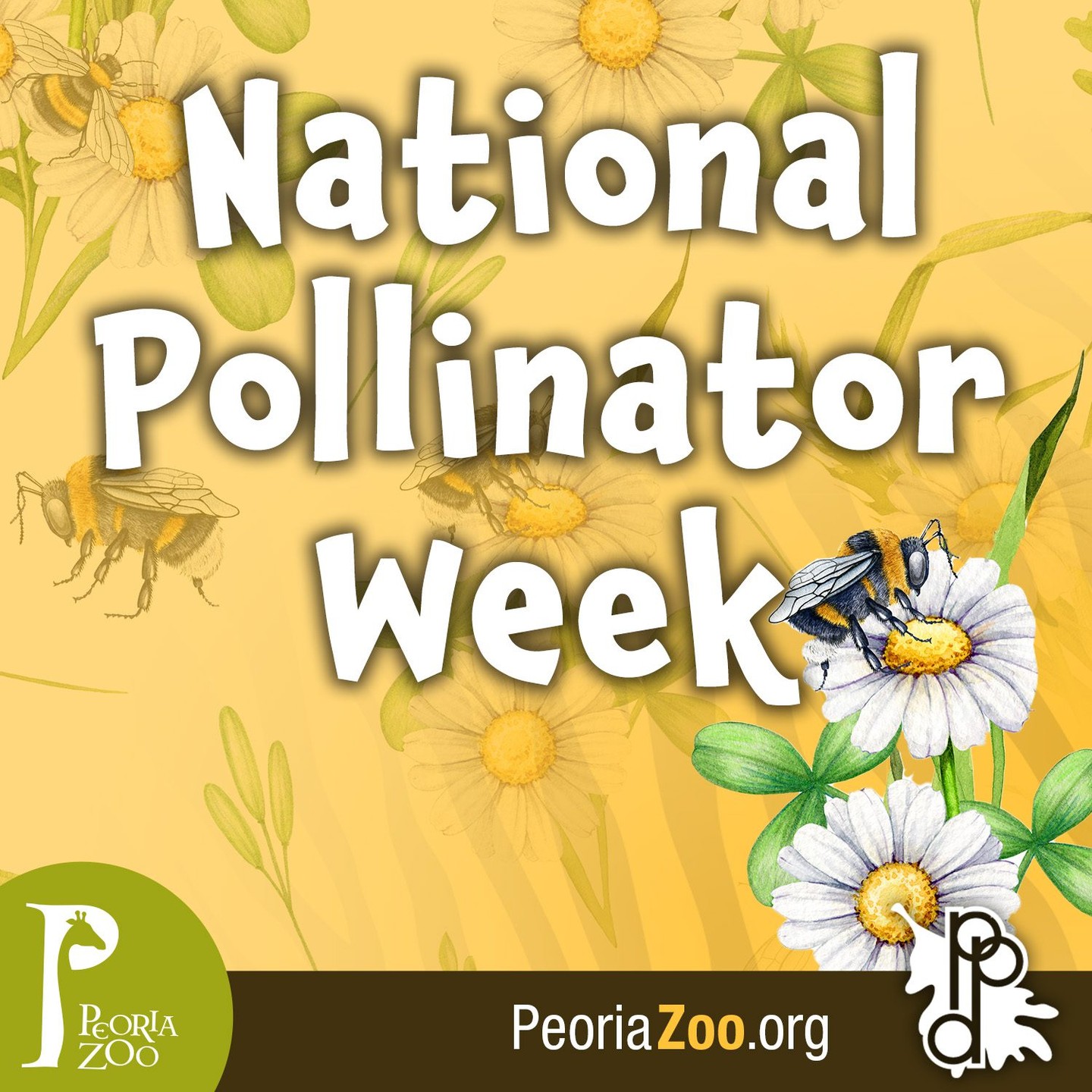
- Pollinator Week Celebration: Overview and Importance
- Detailed Insights into the Pollinators
- The Significance of Native Prairie Plants
- Community Engagement: Why Participation Matters
- Conservation Actions: How You Can Help
Pollinator Week is a significant annual event aimed at raising awareness about the vital role of pollinators in our ecosystems. Scheduled from June 16 to June 22, Pollinator Week provides an opportunity for individuals and communities to engage with nature and learn more about these essential species. One highlight is the Pollinator Walk at Tawny Oaks Field Station on Saturday, June 21, from 1:00 to 2:30 PM. This event welcomes participants of all ages to explore the fascinating world of pollinators and their habitats.
Pollinators, including bees, butterflies, beetles, birds, and bats, play a crucial role in the reproductive processes of many plants. They assist with the transfer of pollen, which helps plants produce seeds and fruit. This activity is not just vital for plant reproduction but also underpins food production and the health of ecosystems. The loss of pollinators would have dire consequences on food security and biodiversity. This makes it imperative to educate the public about their importance and involve them in conservation efforts.
During the Pollinator Walk at Tawny Oaks Field Station, participants will have the opportunity to meet various pollinators, some of which they may not have heard of. For instance, while honeybees are often celebrated, solitary bees, such as mason bees and leafcutter bees, are equally effective in pollination and may be overlooked. Understanding the diversity within the pollinator community can enrich our appreciation for these small but impactful creatures.
Native prairie plants are a focal point of the walk, as they provide essential habitats and food sources for local pollinators. These plants are adapted to local soil and climate conditions, making them reliable sources of nectar and pollen throughout the growing season. By learning about native flora, participants can understand how to create a hospitable environment for pollinators in their own backyards. Native plants often require less maintenance and fewer chemical inputs compared to non-native varieties.
Another critical aspect of the Pollinator Walk is community engagement. Teaching individuals about pollinators creates a collective sense of responsibility toward environmental stewardship. The more people understand about the ecosystems in which they live, the more likely they are to take action to protect them. Events like these foster a connection to nature and can inspire attendees to implement eco-friendly gardening practices at home. For instance, participants can learn to avoid pesticides that harm pollinators or create gardens rich in native vegetation.
The importance of conservation actions cannot be overstated. Individuals have the power to influence the health of pollinator populations through simple changes in their lifestyles and gardening practices. Planting a variety of native plants not only provides food but also supports diverse pollinator communities. Additionally, maintaining clean water sources and providing habitats can further benefit these species. Community initiatives such as Pollinator Week emphasize the idea that collective actions can yield significant impacts.
Moreover, local initiatives like the Peoria Zoo contribute to awareness by offering special pollinator-themed treats during Pollinator Week. Such activities encourage families to engage in discussions about pollinators and their importance while enjoying quality time together. Educational content at the zoo can enhance the understanding of how different species interact within ecosystems and illuminate the links between human actions and environmental health.
The Pollinator Walk at Tawny Oaks Field Station is an excellent opportunity to educate the public about the various species that contribute to pollination. Through this event, participants can observe diverse forms of pollinators, particularly those of bees and butterflies, which have shown a decline in recent years. This decline has sparked a global concern, aligning with the goals of Pollinator Week to promote awareness and inspire local conservation efforts.
One must recognize the interconnectedness of different species within ecosystems. The relationship between pollinators and native plants is bidirectional; just as pollinators rely on plants for sustenance, many plants have adapted to attract specific pollinator species. This specialization can be seen in various flowers that bloom at different times of the year, ensuring that pollinators have access to food sources throughout the growing season.
Given the alarming decline in pollinator populations, various organizations and researchers have taken steps to monitor these species effectively. Citizen science programs allow members of the community to contribute to data collection, thus broadening the scientific understanding of pollinator behavior and life cycles. By engaging in these programs, individuals not only learn more about pollinators but also become active participants in broader conservation efforts.
Lastly, community-based events like Pollinator Week encourage ongoing conversations around environmental conservation. Local businesses, schools, and nonprofit organizations can join forces to promote awareness and implementation of best practices for supporting pollinators. Workshops on sustainable gardening, educational seminars on the importance of biodiversity, and collaborative planting initiatives can further integrate community efforts toward these goals.
Whether you are an avid nature enthusiast or a casual observer, the Pollinator Walk at Tawny Oaks Field Station offers a unique chance to engage with nature on a deeper level. By participating in such events, not only do we educate ourselves about the complexities of ecosystems, but we also contribute to a collective effort to safeguard the vital pollinator species that sustain our environment.
In summary, Pollinator Week serves as a reminder of the critical roles played by pollinators in our ecosystems. The upcoming Pollinator Walk at Tawny Oaks Field Station is designed to celebrate these extraordinary creatures while educating the community on ways to support them. As we gather together to explore the nuances of pollination and the diverse species involved, let’s not forget that each one of us has a role to play in preserving these essential connections. This initiative is not just about advocacy for pollinators but also a call to actions that can lead to tangible changes in our own backyards and communities.
*****
Source Description
🌼🐝 Pollinator Week is Blooming! 🌼🦋
🌾 Pollinator Walk @ Tawny Oaks Field Station – we are celebrating the unsung heroes of our ecosystems — pollinators!
🗓️ Saturday, June 21
🕐 1:00–2:30 PM
👨👩👧👦 All Ages Welcome
🔗 Register: [link in comments]
Explore the hidden life of the prairie with Naturalists and meet pollinators you might have never heard of! From bees to beetles, and butterflies to birds, nature’s tiny heroes are more diverse than you think.
🌸 Take a walk on the wild side
🌿 Discover the beauty of native prairie plants
🦗 Learn how YOU can help support pollinators in your own backyard!
Pollinator Week (June 16–22) at Peoria Zoo: Don’t forget to stop by the Zoo Lodge to try special pollinator-themed treats, too!
