
- The significance of World Hippo Day and pygmy hippos in conservation efforts.
- An overview of Inocencio, the pygmy hippo at Franklin Park Zoo, and his behaviors.
- The role of enrichment in captive animal care and the specific enrichment activities for pygmy hippos.
- Insights on the ecological importance of pygmy hippos and their habitats.
- The impact of climate change on hippo species and ongoing conservation strategies.
World Hippo Day is celebrated annually to raise awareness about hippos and the conservation challenges they face. This special day, falling on February 15, serves not only as a tribute to these fascinating animals but also highlights urgent conservation efforts needed to protect them and their ecosystem. Among the hippo family is the lesser-known pygmy hippo, a unique species that plays a vital role in maintaining the health of forest ecosystems.
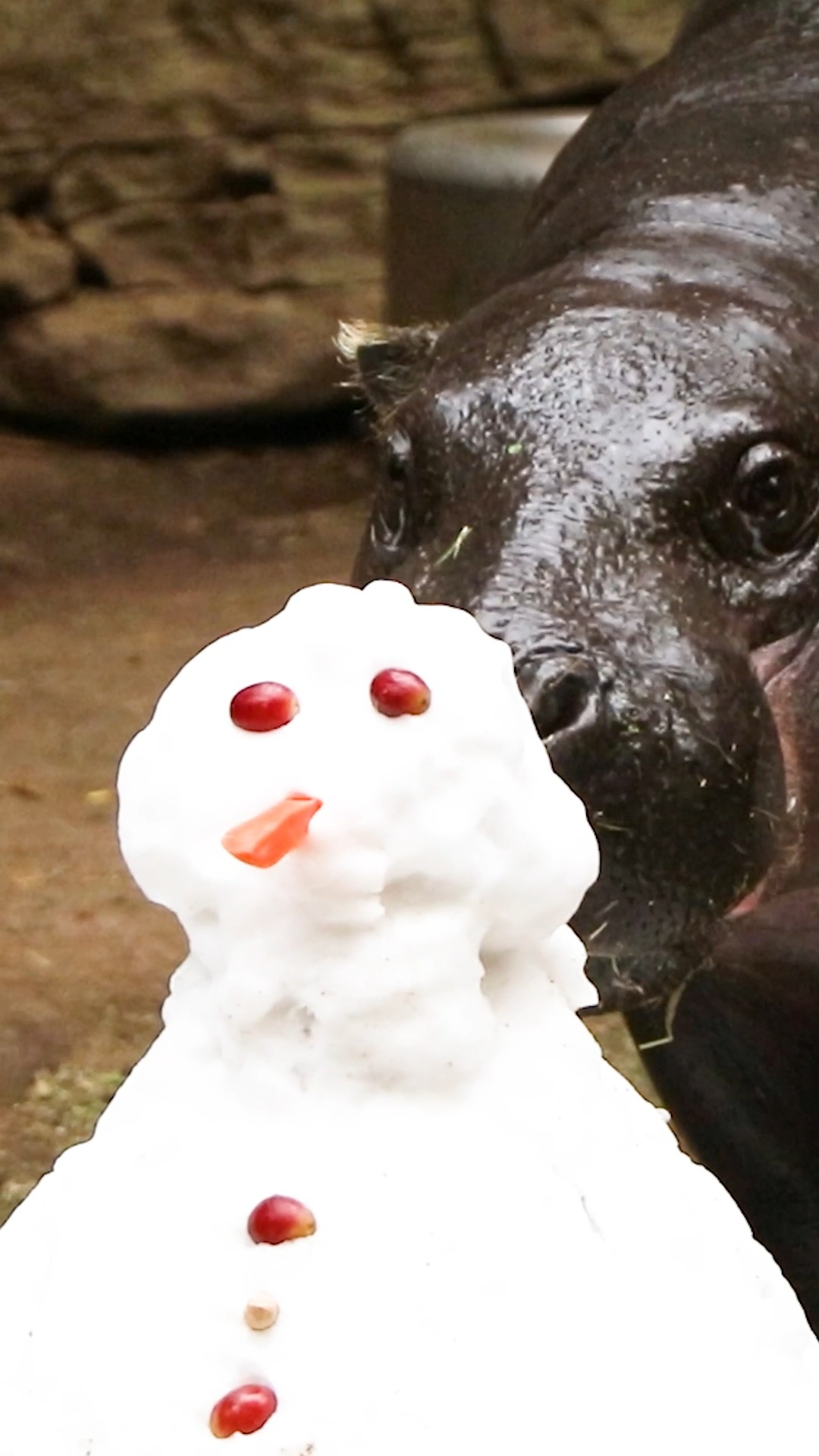
Inocencio, a pygmy hippo residing at Franklin Park Zoo, illustrates the significance of individual animals in education and conservation. This young male hippo experienced a playful moment as Keeper Natalie brought snow inside for enrichment. Initially, Inocencio hesitated to engage with his snowman. His cautious approach is an insightful reflection of the adaptability and learning processes exhibited by animals in a controlled environment. This event was not only a delightful interaction for visitors but also a purposeful exercise designed to enhance his wellbeing.
Enrichment is a crucial element of animal care in zoos and wildlife sanctuaries. It involves activities aimed at stimulating an animal’s senses, encouraging natural behaviors, and fostering engagement with their environment. For Inocencio and other pygmy hippos, activities may include physical objects to play with, varied diets, and even environmental modifications like the addition of snow. These experiences are beneficial for mental stimulation and physical exercise. Enrichment targets cognitive abilities, social interaction, and specialized needs that promote overall health.
Pygmy hippos are native to West Africa, primarily inhabiting dense forests and swamps. Their ecological role is significant. As herbivores, they contribute to the growth of vegetation, assisting in nutrient cycling within their habitats. Their grazing patterns can help maintain the balance of plant life in these regions. Unfortunately, pygmy hippos are classified as endangered due to habitat loss, hunting, and poaching. As populations decline, the future of these creatures hangs in a delicate balance, amplifying the need for conservation efforts.
Unfortunately, climate change poses additional threats to pygmy hippos. Rising temperatures and altered rainfall patterns can lead to habitat degradation and reduction in food resources. Protecting pygmy hippos necessitates a multifaceted approach. This includes habitat preservation, anti-poaching initiatives, and community education efforts. Increasing awareness helps local populations understand the importance of conservation and fosters support for sustainable development initiatives.
World Hippo Day acts as a platform to not only celebrate pygmy hippos like Inocencio but also to educate visitors about broader conservation efforts. It offers a chance for the public to engage with zoo professionals and learn about real-world challenges facing hippos and their habitats. The involvement of zoos in conservation programs allows them to play an essential role in protecting not only individual species but also the ecosystems they support.
Zoos like the Franklin Park Zoo often collaborate with conservation organizations to implement innovative strategies. These partnerships help in research initiatives, habitat restoration projects, and educational outreach programs. Public involvement in these efforts enhances awareness and spreads vital messages regarding the importance of preserving biodiversity.
Inocencio’s snowman serves as a charming reminder of the impact that enrichment can have on animals in captivity. Simple changes in an animal’s environment can provide not only enjoyment but also practical benefits such as exercise and mental challenges. Engaging visitors with these activities helps foster a connection between them and wildlife, which is essential for generating support for future conservation efforts.
Furthermore, educating the public about the ecological importance of pygmy hippos is crucial. While they may seem harmless and cute, their role is often underappreciated. These creatures help maintain the balance of their ecosystem. By sharing information regarding their feeding habits and family structures, we can promote a greater understanding of their importance.
Inocencio’s cautious interaction with his snowman highlights a fundamental aspect of wildlife behavior: the learning process. Animals, much like humans, require time to acclimate to new experiences. Observing how Inocencio interacts with different types of enrichment informs zookeepers about his preferences, allowing them to tailor activities that enhance his quality of life.
Maintaining a diverse range of enrichment opportunities can significantly improve an animal’s mental health. Zookeepers often rotate activities to keep the animals interested. For Inocencio, this might include water-based enrichment like floating toys or land-based tasks like snowmen. Both types of activities engage different skills and responses, contributing positively to his wellbeing.
The continued existence of pygmy hippos depends on collaborative conservation efforts. These efforts must prioritize habitat protection while involving local communities. By promoting ecotourism and creating sustainable livelihoods, organizations can empower locals to protect these fascinating animals. This active involvement is vital for ensuring long-term sustainability.
Time spent celebrating World Hippo Day also serves as a critical reminder of the direct connection between individual animals and the broader challenges facing wildlife. With numerous species at risk, it is essential to prioritize awareness and preservation efforts. Recognizing the complexities of wildlife conservation can inspire individuals and organizations to contribute positively to the cause.
As we recognize the role of zoos in conservation, it is also critical to explore the intricate dynamics of ecosystems. Pygmy hippos, like Inocencio, represent a specific ecological niche within their environments. Protecting them is not merely about their survival but sustaining the entire ecosystem they inhabit. By encouraging healthy populations of pygmy hippos, we contribute to maintaining forest health, biodiversity, and ecological integrity.
Ultimately, the engagement during World Hippo Day fosters a greater understanding of the numerous species integrated into the world’s ecosystems. Each celebration, like the one at Franklin Park Zoo, reinforces the need for ongoing education and action. By working together, we can help safeguard these remarkable animals and the habitats they call home for generations to come.
Celebrating animals, such as Inocencio, through enrichment activities and educational outreach is vital for enhancing our collective knowledge of wildlife conservation. Events like World Hippo Day symbolize the connection between individuals and the ecological intricacies leading to the health of our planet.
Every moment spent in the company of animals serves to deepen our commitment to helpful conservation practices. Engaging stories such as that of Inocencio inspire further exploration of conservation methods and the array of species relying on our advocacy. Through education, engagement, and a deeper appreciation for wildlife, we can ensure that pygmy hippos and their ecosystems thrive for the future.
*****
Source Description
With plenty of snow still OUTSIDE, Keeper Natalie brought some snow INSIDE for Inocencio pygmy hippo. ⛄️ It took him a little while to “warm up” to his snowman.
We’re celebrating World Hippo Day today at Franklin Park Zoo, come early to see what kind of enrichment the pygmy hippos are getting today! Follow the link in our bio for details!
