
- Understanding the Texas Horned Lizard’s Biology and Ecology
- The Importance of Conservation Projects for Horned Lizards
- Breeding and Hatching Processes at the Zoo
- Visitor Engagement and Educational Opportunities
- Future Conservation Efforts and Challenges
The Texas horned lizard (Phrynosoma cornutum) is an iconic species found predominantly in Texas, known for its distinctive appearance and important ecological role. These fascinating reptiles have developed unique adaptations that allow them to thrive in arid environments. Understanding their biology and ecology not only highlights their significant role in the ecosystem but also underlines the critical necessity for conservation efforts.
An adult Texas horned lizard typically measures about 3 to 5 inches in length and is characterized by its spiky back and flattened body. This morphology serves multiple functions, including deterring predators and helping with thermoregulation. These lizards primarily inhabit sandy and rocky habitats where they can blend in with their surroundings. They primarily consume ants, which constitute a substantial part of their diet. Ant populations are integral to their survival, and fluctuations can affect horned lizard populations significantly.
The conservation of Texas horned lizards is critical, particularly as their habitat continues to be threatened by urban development, agricultural practices, and environmental changes. Restoration of natural habitats and protection against invasive species are vital tasks for conservationists. Engaging in ecological studies and monitoring lizard populations help illuminate the ongoing challenges these reptiles face in a rapidly changing environment.
At the Zoo, efforts to breed and hatch Texas horned lizards undergo diligent planning and execution. The breeding program is designed not just to increase numbers, but also to ensure that genetic diversity is maintained. Captive breeding often initiates with a thorough selection process for healthy adults. These adults are carefully monitored for breeding readiness, where environmental conditions like temperature, humidity, and light cycles mimic natural seasonal changes. Once the lizards mate, females lay eggs in specially prepared nesting substrates, which are kept in controlled incubators to optimize hatchling survival rates.
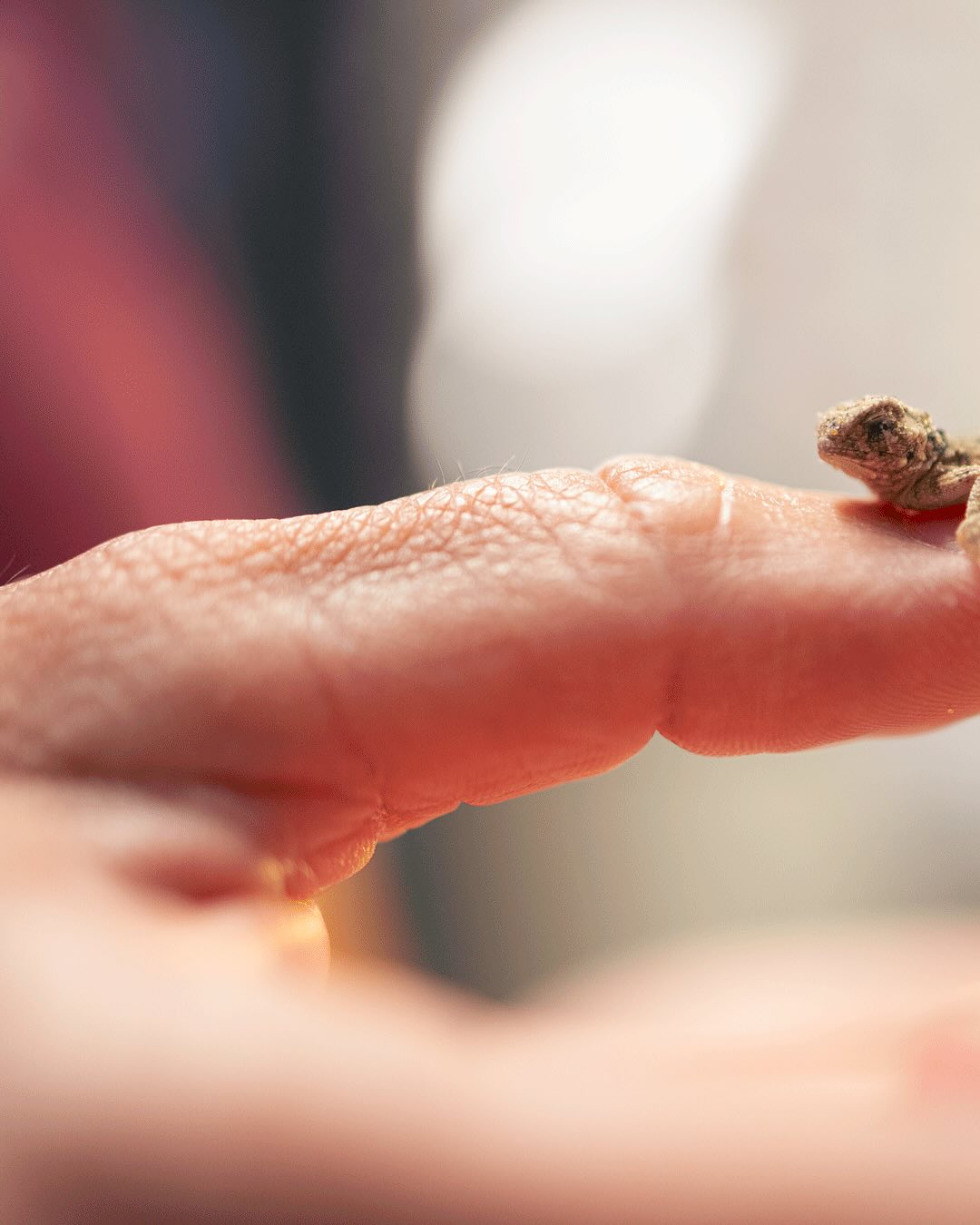
The hatchlings are welcomed with enthusiasm at the Zoo. Each new batch marks the official commencement of the horned lizard season. Visitors can explore the Mountains & Desert habitat, providing them with the opportunity to witness these tiny, spiky creatures in their simulated natural setting. Observing their behaviors up close offers insights into specialized adaptations, such as their ability to camouflage against predators and their unique defense mechanisms, including puffing up and playing dead.
Education is a key component of the Zoo’s conservation projects. The aim is to not only educate visitors about the Texas horned lizard but also to instill a sense of responsibility for biodiversity and ecosystem health. Guided tours, interactive exhibits, and educational materials highlight the significance of maintaining healthy populations and protecting their habitats. Children and adults alike can engage in programs that teach them about the critical importance of biodiversity conservation.
The challenges facing Texas horned lizards extend beyond direct habitat loss. Climate change poses a severe threat, affecting their food sources, reproductive patterns, and overall survival. Raising awareness around these challenges will help galvanize community support for conservation programs. Education plays a central role in equipping the next generation with the knowledge and skills to tackle these pressing environmental issues.
The future of Texas horned lizards depends on sustained conservation efforts. Collaborations between zoological institutions, wildlife agencies, and academic researchers are critical for developing effective strategies. Monitoring existing populations in the wild, along with ongoing research into their ecology, can provide valuable insights that inform successful conservation initiatives.
As the Zoo continues its commitment to horned lizard conservation, it aims to expand its outreach efforts. Engaging local communities in conservation practices, habitat restoration projects, and citizen science initiatives can help bridge the gap between the zoo’s goals and grassroots efforts.
Awareness and education can empower the public to participate actively in protecting native species. By emphasizing the importance of local wildlife and ecosystems, these initiatives foster a collective sense of stewardship and responsibility. Visitors who understand the complexities of a species’ life cycle, like that of the Texas horned lizard, are more likely to advocate for its conservation.
In summary, the hatching of Texas horned lizards at the Zoo serves as a major milestone in conservation efforts. The hatchlings represent hope and promise for the continued survival of this remarkable species. Through dedicated research, breeding initiatives, and impactful educational programs, the Zoo plays a pivotal role in ensuring the future of Texas horned lizards. Visitors are not just spectators in this process; they are active participants in a broader mission to safeguard biodiversity. Every encounter with these remarkable lizards strengthens the resolve to protect their habitats and foster an enduring connection with nature.
*****
Source Description
Here come the hatchlings!🦎 The first Texas horned lizards of the season hatched this week — officially kicking off horned lizard season at the Zoo!
This initiative is one of the Zoo’s core conservation projects through which we lead the efforts to breed, hatch and release this iconic Texas-native species back into the wild.
Come see these tiny, spiky hatchlings up close in our Mountains & Desert habitat. 🏜️
