
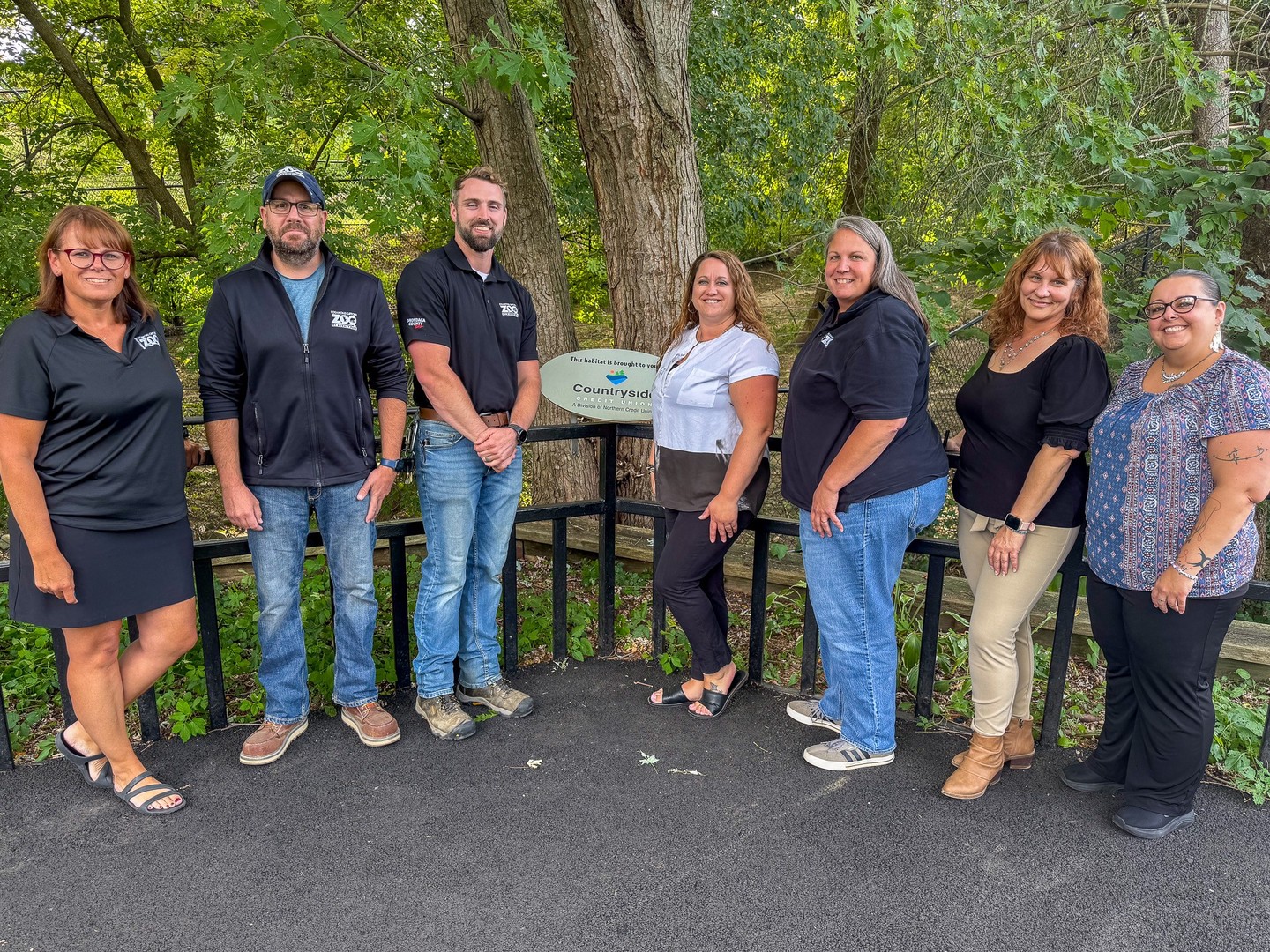
- Appreciation for Countryside Credit Union’s Support
- Importance of Animal Care Teams in Wildlife Conservation
- The Role of Habitat Sponsorship in Zoos
- The Significance of the Gray Wolf in Ecosystem Dynamics
- Encouraging Community Involvement in Conservation Efforts
The collaboration between organizations like Countryside Credit Union and animal care teams plays a vital role in wildlife conservation. They work tirelessly to ensure that animals receive the highest standards of care while also educating the public about environmental stewardship. Countryside Credit Union’s sponsorship of a habitat not only bolsters these efforts but also highlights the essential role financial institutions can play in community conservation initiatives. Their support makes a tangible difference and affirms a shared commitment to animal welfare and ecosystem health.
Animal care teams are dedicated professionals who possess relevant knowledge and skills related to species behavior, health, and management. Their responsibilities often include feeding, medical care, and maintenance of habitats. Moreover, they educate visitors about the species they care for and the specific conservation challenges those species face. With robust training in zoology and animal behavior, caregivers contribute to species survival plans and engage in research to promote better practices in animal care. This professional devotion is crucial for the effective management of wildlife in a zoo setting, and it is made possible through support from partners like Countryside Credit Union.
Habitat sponsorship significantly impacts conservation efforts. When businesses contribute to the upkeep and development of specific habitats, it allows zoos to create environments that more closely resemble an animal’s natural surroundings. Such enhancements promote natural behaviors, which are critical for both psychological well-being and physical health. For instance, enriched environments with trees, shrubs, and water features are essential for species like the gray wolf. They require ample space and opportunity for social structures, hunting instincts, and territory behaviors. Sponsored habitats not only benefit the wildlife in residence but also allow zoos to provide visitors with captivating experiences and educational opportunities.
The gray wolf represents a keystone species within many ecosystems. Their presence helps regulate populations of herbivores, which can maintain the health of the vegetation. Their hunting patterns and natural behaviors contribute to the balance of their habitat. The impact of gray wolves can be profound, as they can influence the behavior and movement of other species, leading to healthier, more biodiverse environments. This complexity makes understanding their role crucial for any conservation initiatives. By sponsoring a habitat for gray wolves, Countryside Credit Union plays an important part in promoting this species’ welfare and, by extension, the health of its entire ecosystem.
Community involvement is essential for the success of conservation efforts. Educating the public about the roles animals play in their ecosystems helps garner support for wildlife initiatives. Zoos serve as an informative nexus between the public and wildlife conservation, facilitating a connection that can inspire action. With support from business entities like Countryside Credit Union, educational outreach can be broadened, allowing for more extensive programs that raise awareness. The presence of signs indicating sponsorship by local businesses strengthens community ties and encourages others to contribute to conservation efforts, as shared responsibility can lead to collective action.
The backing from Countryside Credit Union is instrumental in not only enriching the animal care team’s work but also in providing resources for the ongoing management of habitats. The funds generated through sponsorship ensure that animal care professionals can focus on nurturing the well-being of the animals rather than diverting energy toward securing financial resources. This financial support is vital as it helps maintain facilities, procure quality food, and provide necessary medical care.
In the context of the changing environment, the role of zoos has evolved significantly. Modern zoos are not merely places for public entertainment; they are complex institutions dedicated to conservation, education, and research. The sponsorships provided by organizations like Countryside Credit Union illustrate a growing trend of partnerships that leverage resources for meaningful conservation impacts. It underlines the reality that wildlife conservation is a multifaceted challenge, requiring collaboration across sectors to address.
Moreover, sponsorships can create awareness and understanding of the specific challenges that certain species face in the wild. For example, gray wolves face threats such as habitat loss and hunting. In highlighting these issues, organizations promoting habitats can educate the public on necessary conservation measures. Their stories, framed within the context of a sponsored habitat, resonate with visitors and reinforce the importance of protecting these animals.
Funds from sponsors can also be used for community involvement programs. Educational workshops and outreach initiatives can be developed to engage the public in wild animal welfare and conservation efforts. By involving community members in these discussions—whether through lectures, hands-on programs, or volunteer opportunities—conservation becomes a collective responsibility. Sponsorship can serve as a catalyst for these types of initiatives, urging community members to participate actively in wildlife preservation.
Education remains a cornerstone of successful conservation efforts. Through community programs and volunteer opportunities, individuals are offered hands-on experiences that deepen their understanding of wildlife. When employees from businesses like Countryside Credit Union participate in these activities, it fosters a sense of connection not only to the animals but also to the broader ecological community. Increasing awareness about animals, ecosystems, and conservation challenges directly ties back to the mission and vision that organizations like Countryside advocate.
Additionally, sponsorship plays a pivotal role in advancing research initiatives. These initiatives can lead to improved animal care practices and an enhanced understanding of wildlife needs. Partnering organizations often gain access to research findings that can be applied within their business ethos. Funding research on gray wolf behavior, health, and conservation strategies strengthens the commitment to biodiversity and underscores the importance of informed actions in conservation.
Effective communication also thrives under sponsorship. Promoting habitats through well-designed informational signage can engage visitors effectively. By providing context and data about the gray wolf and its habitat, it invites curiosity and encourages further learning. The sign placed near the gray wolf habitat, sponsored by Countryside Credit Union, serves as a visual reminder of their commitment to animal care and the broader mission of conservation.
The partnership between Countryside Credit Union and the animal care team exemplifies how financial institutions can positively impact wildlife conservation efforts. Their sponsorship signifies a robust commitment to fostering wildlife education and enhancing habitat management. The direct correlation between funding and improved quality of care is evident, as resources translate into better environments for animals and educational opportunities for the community.
As the importance of financial support for wildlife conservation continues, it becomes increasingly essential for various sectors to engage in partnerships that benefit both wildlife and local communities. The involvement of organizations like Countryside Credit Union normalizes the idea that businesses can be proactive in their support for nature. This approach inspires other companies to consider how they can contribute to environmental stewardship.
Understanding that ecology and economic vitality are interconnected can foster a shift in how businesses approach their community engagement strategies. Taking an active role in wildlife conservation helps to build a healthier ecosystem while promoting corporate social responsibility. A sustainable future relies on recognizing this connection and integrating it into business models.
The relationship between human activity and wildlife conservation is intricate. The support of organizations like Countryside Credit Union helps bridge the gap between these two worlds, emphasizing the need for a collaborative and communal approach to achieve lasting impacts. When businesses invest in wildlife conservation, it reinforces the vital role of social responsibility in the corporate world and sends a message that every effort counts.
Encouraging ongoing support for animal care initiatives and habitat sponsorship can lead to a more informed community. It creates a culture of conservation that benefits wildlife and enriches the lives of community members. Through partnerships and sponsorships, progress can be made toward more resilient ecosystems, healthier species populations, and greater awareness of the importance of biodiversity.
In summary, the contributions of sponsors like Countryside Credit Union create a significant impact on animal care teams and the habitats they maintain. Their support highlights the importance of collaboration in achieving conservation goals and enriching community and wildlife vitality alike. Taking steps to foster engagement and awareness about wildlife issues will lead to brighter outcomes for species like the gray wolf and promote an enduring commitment to environmental stewardship.
*****
Source Description
Thank you to Countryside Credit Union for supporting the great work of our animal care team by sponsoring a habitat! You make our commitment to animal care and conservation possible. You can find their sign by the gray wolf.❤️
