
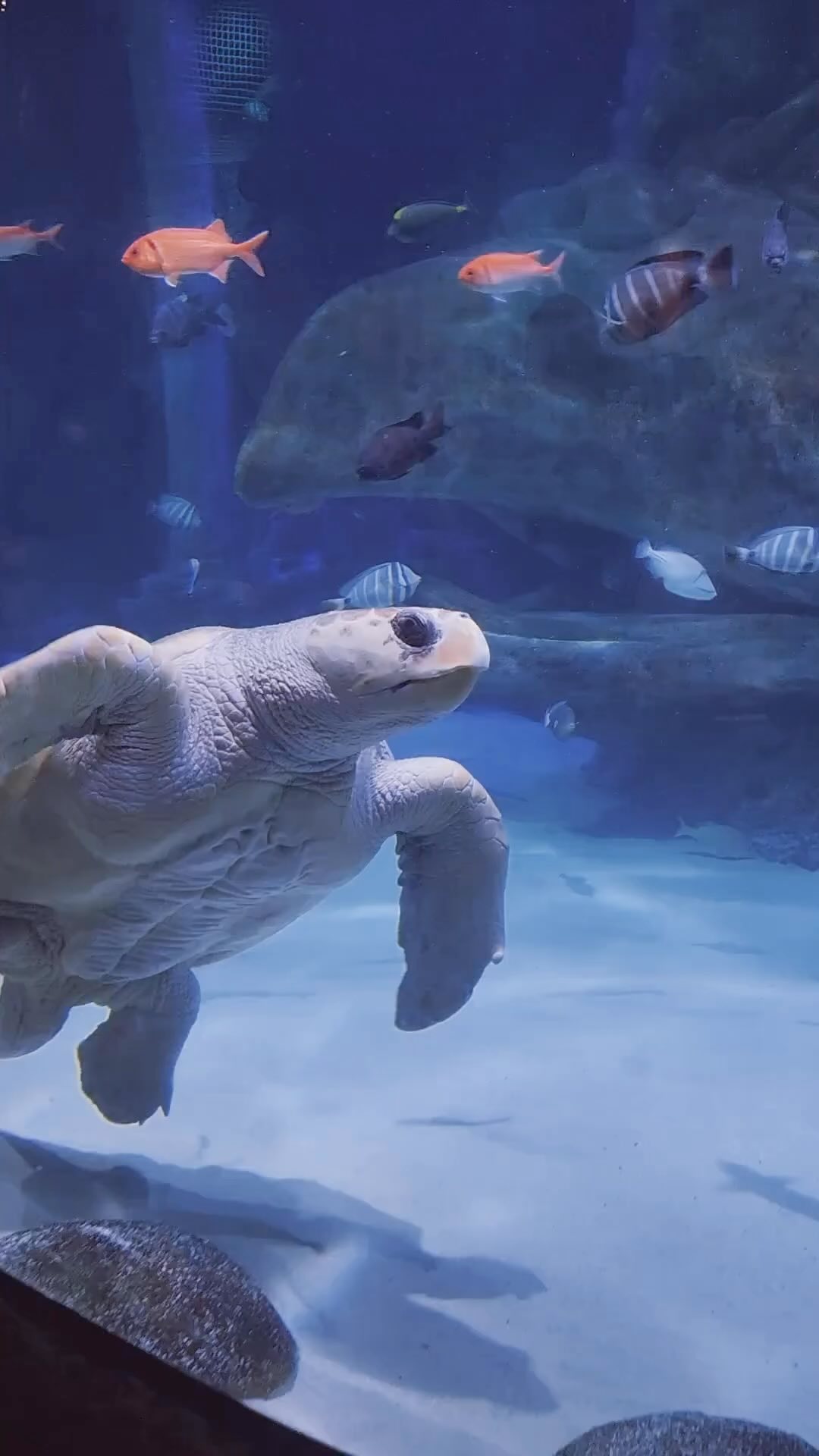
- Understanding the significance of That’s it. in wildlife education and engagement
- Exploring the physiological and behavioral attributes of turtles
- The role of zoos and wildlife conservation organizations in turtle preservation
- Challenges faced by turtle populations globally
- Strategies for advocating and participating in turtle conservation
That’s it. serves as a vital platform in wildlife education, engaging audiences with relatable and impactful content. This initiative is recognized for its efforts to foster a connection between people and animals. Engaging with wildlife can often spark a sense of responsibility, especially regarding species such as turtles, which are often overlooked despite facing severe environmental threats. Explaining the importance of turtles in our ecosystem lays the groundwork for understanding their plight and why conservation efforts are essential.
Turtles, ancient reptiles, exhibit notable attributes worthy of discussion. They possess a distinct anatomy that sets them apart. The most recognizable feature is their shell, which acts as a protective barrier against predators. Scientifically, the shell is made up of two parts: the carapace (the upper shell) and the plastron (the lower shell), connected by a bridge. Their rounded physique is not just for aesthetics; it serves to minimize water resistance during swimming, particularly for aquatic species.
Behaviorally, turtles are fascinating creatures. They engage in thermoregulation, utilizing environmental conditions to maintain their body temperature. This can involve basking in the sun or seeking shade based on the climatic conditions. Furthermore, their foraging habits vary significantly between species. Herbivorous turtles consume aquatic plants and vegetation, while carnivorous varieties hunt for fish, insects, and crustaceans. Each species has adapted specific behaviors that enable them to thrive in their respective habitats, whether it is a freshwater river, ocean, or terrestrial environment.
Zoos and wildlife conservation organizations play an instrumental role in turtle preservation. These establishments function as educational hubs where visitors learn about various species, including the often-ignored turtle entities. They invest in breeding programs for endangered species, designing habitats that replicate natural environments, and conducting research to better understand turtle behaviors and health.
However, turtles are facing significant challenges globally. Habitat loss due to urbanization and climate change threatens numerous species. Pollution, particularly plastic debris, poses another major risk, as turtles often mistake plastic for food. Additionally, entanglement in fishing gear leads to injuries and fatalities. Poaching, driven by illegal pet trade and consumption in certain cultures, exacerbates these issues.
Advocacy for turtle conservation can start with promoting awareness. Individuals can support local conservation efforts by participating in clean-up drives or donating to organizations focused on turtle preservation. Simple acts, such as reducing plastic use and ensuring responsible fishing practices, contribute to the health of marine ecosystems where turtles reside. Engaging in community education helps foster a culture of stewardship, encouraging others to recognize the importance of these ancient beings.
By understanding the significance of platforms like That’s it., we can offer insight into the imperative nature of turtle conservation. The extensive efforts in zoos and wildlife organizations create a foundation for informed public engagement. Each person’s actions, no matter how small, have the power to influence the future of these species. Together, we can advocate for a world where turtles thrive alongside us.
*****
Source Description
That’s it. 🐢
