
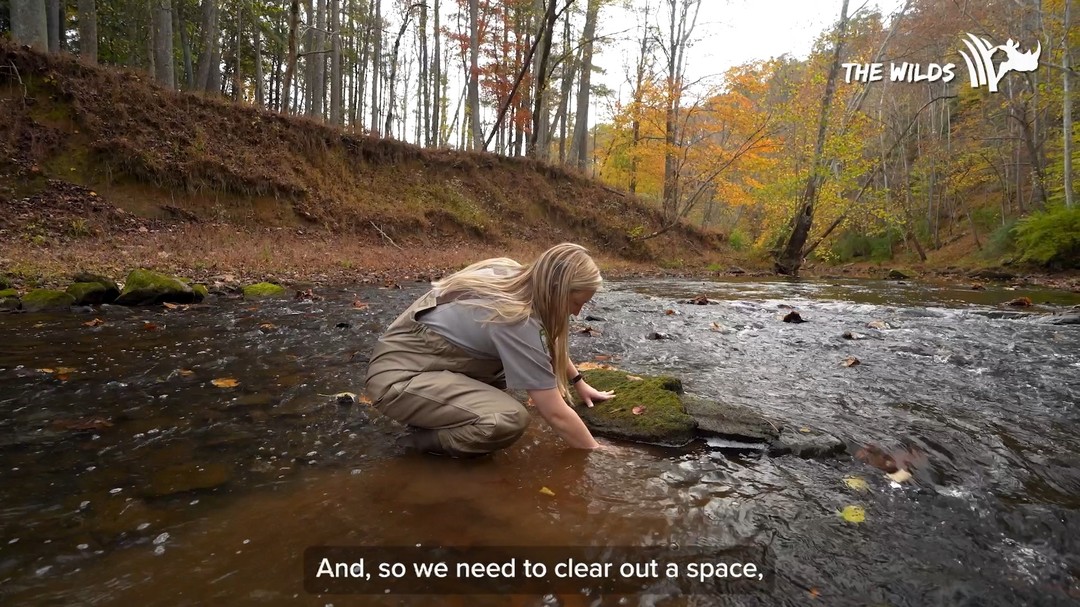
- Introduction to the hellbender and its ecological role.
- The biology and behavior of the hellbender.
- Conservation efforts by The Wilds and their impact.
- Challenges faced in hellbender restoration.
- How to engage and learn more through visiting and supporting The Wilds.
Hellbenders, one of Ohio’s most enigmatic amphibians, are vitally important to the health of local waterways. These aquatic salamanders serve as indicators of clean, thriving habitats and have become a focus of conservation efforts in the state. The notable work being done to restore their populations provides an opportunity to explore the intersection of zoology and environmental stewardship.
The hellbender, specifically Cryptobranchus alleganiensis, is a remarkable creature. With its flat, slimy body and modest coloration, this amphibian is perfectly adapted to its riverine environment. Primarily nocturnal, hellbenders conceal themselves beneath rocks during the day. Their skin allows for cutaneous respiration, absorbing oxygen directly from the water—a feature that underscores the need for pristine aquatic conditions. With their dwindling numbers, these salamanders highlight critical ecological issues and instigate efforts for habitat restoration.
At the heart of these efforts is The Wilds, a conservation center dedicated to reviving hellbender populations in Ohio. For over a decade, The Wilds has initiated breeding and relocation programs, employing innovative techniques to rear hellbenders in controlled environments before releasing them into native waters. Their work involves collaboration with various organizations to monitor environments, ensuring clean, suitable habitats for hellbender reintroduction. The impact of such initiatives is profound, aiming to stabilize and increase hellbender numbers significantly.
Despite determined conservation efforts, several challenges persist. Habitat destruction, pollution, and climate change pose ongoing threats to hellbender survival. Siltation from agricultural practices and urban development reduces water quality, while rising temperatures affect breeding cycles. The Wilds tackles these challenges by advocating for pollution reduction and sustainable land practices, promoting community involvement in environmental preservation.
Visiting The Wilds offers an immersive educational experience, enlightening individuals about the importance of hellbenders and their ecosystems. Tours provide an opportunity to witness conservation efforts firsthand and engage with experts passionate about wildlife restoration. Supporting The Wilds helps propel conservation initiatives forward, with each contribution aiding in the survival of these vital amphibians.
Understanding the hellbender’s ecological role and The Wild’s ongoing efforts provides insight into broader environmental challenges. These salamanders represent vital components of a healthy aquatic ecosystem, reflecting the broader health of their environment. Through continued education and active participation, individuals can play a crucial role in ensuring their survival and the prosperity of Ohio’s waterways.
*****
Source Description
What’s slimy, shy, and rarely seen—but critical to Ohio’s waterways?
You may have never heard of a hellbender, but this elusive aquatic salamander is a powerful symbol of waterway health in our region. For over a decade, The Wilds has been diligently working to restore their populations in Ohio—and now, you’re invited to see how it all happens.
Join us as we head below the surface to uncover a fascinating world and the role @visitthewilds plays in protecting it.
