
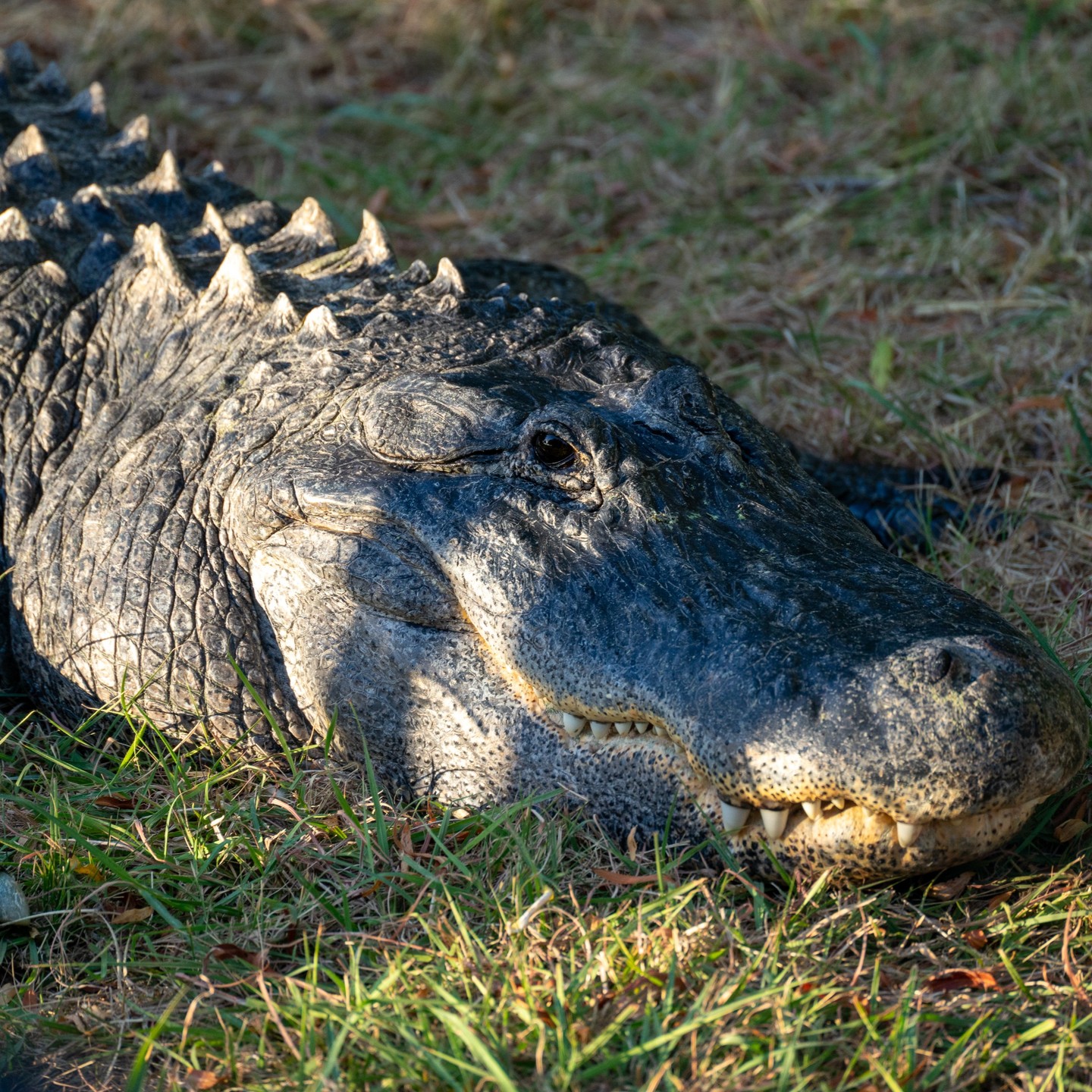
- National Alligator Day celebrates biodiversity and awareness.
- Albert, a beloved resident of the Abilene Zoo, highlights the importance of long-term animal care and conservation efforts.
- Alligator biology provides insights into their adaptive traits and ecological roles.
- The role of zoos in wildlife conservation and public education is crucial for the survival of many species.
- Community engagement and personal stories help foster a connection to wildlife and conservation initiatives.
National Alligator Day, celebrated annually, serves as a reminder of the importance of wildlife conservation, biodiversity, and the living history that animals represent. The Abilene Zoo, home to one of its fan favorites, Albert the alligator, is commemorating this special day with events aimed at educating the public about the unique aspects of alligator biology, the role of zoos, and the significance of conservation efforts. Albert has been a part of the Abilene Zoo since its inception in the 1960s, making recurring appearances as a symbol of resilience and longevity in the animal world. This article explores Albert’s life, alligator biology, the role zoos play in conservation, and how community involvement can foster love and respect for wildlife.
Albert has seen countless visitors over the decades, capturing the hearts of all who come across him. His story is not just about being an alligator; it’s about demonstrating the crucial role zoos like Abilene play in wildlife conservation and education. As an ambassador for his species, Albert helps dispel myths and promote understanding. Over the years, he has inspired many zoo-goers to think critically about alligators and their ecological importance.
Alligator biology is fascinating and provides insights into their evolution and adaptation. Alligators possess a set of traits that make them remarkably suited to their aquatic environments. For example, their powerful jaws can exert tremendous force, capable of crushing bone. This adaptation is essential for their predatory lifestyle, allowing them to capture a wide range of prey, from fish to larger mammals. Furthermore, alligators are ectothermic, meaning they rely on external temperatures to regulate their body heat. This characteristic influences their behavior, particularly in terms of feeding and basking.
Another critical aspect of alligator biology is their role as apex predators in their ecosystems. They help maintain healthy populations of other species. By controlling prey population sizes, alligators contribute to the balance of their habitats. This ecological role extends to the creation of aquatic environments that benefit various plant and animal species. Their nest-building activities spawn locations that serve as habitats for fish and turtles. Thus, alligators are not just solitary hunters; they are integral to the biodiversity of their surroundings.
The history of Albert and the Abilene Zoo encapsulates the long-term commitment to animal welfare and conservation. Since its opening, the zoo has taken strides to ensure the well-being of its animals, providing environments that mimic natural habitats while educating visitors about the residents within. Over the years, Albert has engaged in various educational programs, allowing the public to learn about alligator biology and conservation efforts firsthand. His presence at the zoo aids in dispelling the fears associated with these reptiles, allowing for a deeper appreciation of their ecological importance.
Zoos have evolved dramatically since their inception as menageries displaying exotic animals. Today, they are centers for conservation, focusing on species protection, habitat preservation, and public education. By participating in breeding programs, zoos can contribute to the genetic diversity of endangered species. Many facilities, including the Abilene Zoo, are involved in Species Survival Plans, which are cooperative breeding initiatives aimed at ensuring the survival of various species.
Moreover, zoos often engage in research that can have far-reaching implications for conservation practices. Through studies on animal behavior, reproduction, and genetics, zoos contribute valuable data that can be used in situ, or in the animals’ natural habitats. This research is crucial for understanding the challenges faced by species and can lead to more effective conservation strategies that are informed by scientific evidence.
Albert’s story resonates at a community level, creating an emotional link between individuals and wildlife. When visitors share their memories of Albert, it fosters a sense of connection to nature and inspires support for conservation efforts. Personal stories can reinforce the significance of conservation, igniting passions that lead to active participation in wildlife protection. Whether through volunteer work, advocacy, or responsible outdoor practices, engaging with memories of Albert can transform awareness into action.
National Alligator Day is an opportunity for the Abilene Zoo to emphasize community involvement in wildlife conservation. Special events—such as educational talks, live demonstrations, and interactive activities—help inform the public about alligators and broader conservation themes. These events also provide a platform for visitors to share their personal stories about their experiences with Albert, turning a simple encounter into a memorable interaction that highlights the importance of wildlife and the impact of zoos.
Conservation efforts extend beyond the confines of the zoo, requiring engaged communities to make a meaningful difference. Individuals can contribute in various ways, such as participating in local conservation initiatives, supporting sustainable practices, and advocating for policies that protect habitats. Sharing memories and experiences related to Albert and other wildlife can inspire collective action that extends into daily life, fostering a culture of stewardship.
The challenges facing wildlife today are significant. Habitat loss, climate change, and human-animal conflict threaten species survival globally. Therefore, whether through conservation education at the zoo or backyard stewardship practices, every action counts. Celebrating National Alligator Day gives the community of Abilene a platform to come together, engage with important conservation issues, and reflect on the long-term impact that individuals can have on wildlife preservation.
As we honor Albert and learn about alligators, we also need to consider the broader implications of our relationship with nature. By understanding the intricacies of alligator biology, we can obtain a better grasp of their role in ecosystems and the importance of their conservation. Education serves as a springboard for conservation, fostering informed citizens who appreciate the interconnectedness of all living things.
Albert’s decades at the Abilene Zoo are a testament to the power of wildlife to connect people and inspire action. Each visit to see him is a chance to learn, to reflect, and to engage with conservation efforts that have real-world impacts. The zoo provides a crucial platform for these interactions, illustrating how institutions can serve as leaders in conservation education.
Through community engagement, educational programs, and stories that transcend generations, the legacy of Albert—the alligator—stays alive. Each recollection, each engagement, adds layers to a collective history of wildlife appreciation and conservation advocacy. National Alligator Day is an ideal moment not only to honor Albert but also to empower the community to take action in protecting and preserving wildlife for future generations.
As the celebration of National Alligator Day continues, let us remember that behind every animal story lies a broader narrative about survival, ecological balance, and the importance of responsible stewardship. Albert stands as a living reminder that through collective efforts, we can create a more sustainable and respectful relationship with the natural world. Each individual has a role in this ongoing story of conservation, and it begins with a shared appreciation for animals like Albert and the ecosystems they represent.
*****
Source Description
It is national alligator day and Abilene Zoo is celebrating a fan favorite! 🐊 Albert has been a part of Abilene Zoo since opening in the 1960s while making countless memories along the way. Share one of your Albert memories in the comments!
