
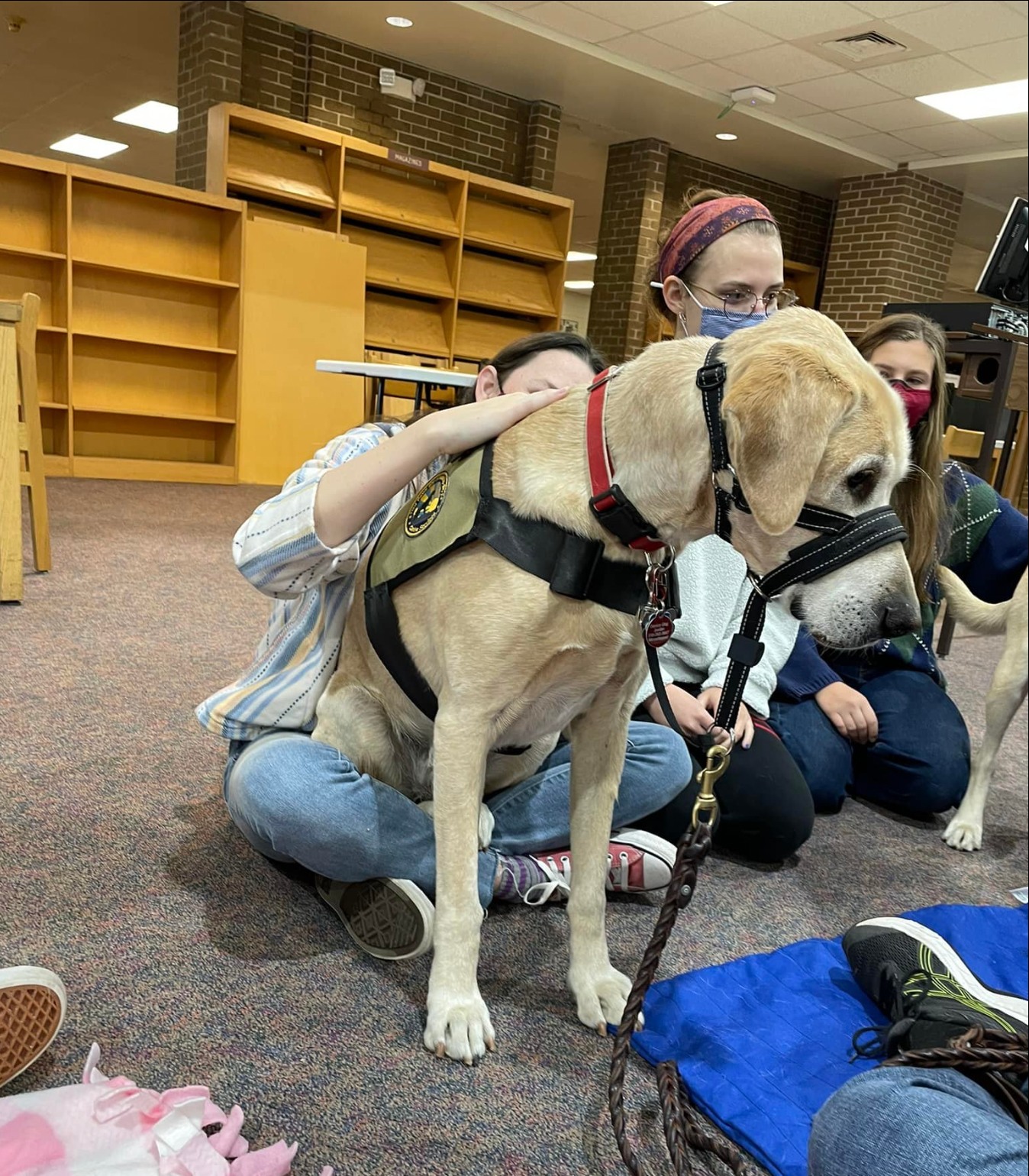
- Understanding the impact of fake service animals on vulnerable populations.
- Identifying the signs that distinguish a legitimate service animal from a false one.
- Evaluating the responsibilities of service animal handlers and their rights.
- Learning how to engage authorities when encountering a fake service animal.
- Discussing the broader implications for animal welfare and public safety.
Fake service animals pose significant risks, both to individuals relying on genuine assistance and to the integrity of the service animal community. Pat Hairston, from FourPawsNC, extensively discusses these risks and offers insights that may benefit handlers and the general public alike.
Understanding the impact of fake service animals on vulnerable populations is critical. Legitimate service animals are trained to assist people with disabilities, whether physical or mental. These specially trained dogs can alert handlers to medical conditions, provide tactile cues for navigational purpose, or offer emotional support during distressing situations. However, the rise in fake service animals complicates the important work these animals do. Many individuals with disabilities face increased challenges when confronted with untrained animals in supposed working roles. Fake service animals can create distractions or even dangerous situations, intensifying anxiety or discomfort for those truly in need.
Identifying the signs that distinguish a legitimate service animal from a false one is vital for everyone, particularly for those who interact with service animals. Genuine service animals are often well-behaved, wearing identifiable gear like vests or harnesses. They demonstrate an ability to focus solely on their handler and perform specific tasks. Furthermore, handlers must have their animal under control at all times. An important point of distinction is that these animals are not merely emotional support animals (ESAs), which can have less formal training and legal recognition. Fake service animals can exhibit various signs of improper training, including barking excessively, showing aggression, or engaging in distracting behavior. Awareness of these signs can help businesses, patrons, and handlers discern the legitimacy of service animals, allowing for better protection of those who require assistance.
Evaluating the responsibilities of service animal handlers and their rights is equally important. Handlers are entitled to access public spaces with their service animals in accordance with the Americans with Disabilities Act (ADA). However, they also bear the responsibility of ensuring that their animals are well-trained and under control. This responsibility means that handlers must be aware of their surroundings and potential triggers that may agitate their service animals. Moreover, handlers must avoid misrepresenting their support animals, as doing so can lead to trust issues and confusion about what constitutes legitimate service. Those relying on service animals navigate a more straightforward path in public spaces through responsible ownership.
Learning how to engage authorities when encountering a fake service animal is crucial for maintaining order in public spaces. If someone observes a suspected fake service animal disrupting the environment, the appropriate step involves discreetly informing management or staff rather than confronting the individual. This can help minimize unnecessary confrontation and potential escalation. It’s important for businesses and authorities to maintain a clear policy regarding service animals and non-compliance. Human resources teams and management should provide ongoing training to staff about these guidelines, ensuring they can confidently address situations involving fake service animals.
The broader implications for animal welfare and public safety should also be considered. When individuals misrepresent their pets as service animals, they undermine the critical training and dedication required by genuine service animals. This misrepresentation can create an environment of skepticism toward all service animals, making life more challenging for those in genuine need. Moreover, unmanaged personal animals in public spaces can lead to various safety concerns, from bites to aggressive behavior, which can tarnish the reputation of registered assistance animals. Advocacy groups, including FourPawsNC, emphasize the importance of educating the public about proper service animal etiquette to mitigate these issues.
Creating awareness around the differences between real and fake service animals necessitates the involvement of communities. Workshops, outreach programs, and informative campaigns can contribute to a better understanding of the significance of trained assistance animals. Establishing a supportive environment for both handlers and service animals is paramount. Community members can actively participate in fostering a compassionate approach to those requiring assistance. As highlighted by Hairston, the significance of a true service animal goes beyond its task; it represents hope, independence, and connection for those facing unique challenges.
Integrated into this discussion is the importance of legislative action. Lawmakers and public officials must address the rising incidence of fake service animals by crafting stricter penalties for those who misrepresent their pets. By improving the legal framework surrounding service animals, the community can better protect individuals with disabilities and hardworking, trained service animals. Comprehensive reforms will require collaboration among advocacy organizations, lawmakers, and service dog training programs to ensure support structures are stringent yet fair.
Pat Hairston’s insights serve not only as educational guidance but also as a rallying call for better understanding and action within communities. They highlight that protecting the rights of individuals with disabilities, while ensuring public safety, involves everyone. Each person must be vigilant and proactive in recognizing the signs of service animals versus imposters. Active engagement and effective communication can lead to an environment where legitimate service animals are recognized and respected.
Moreover, the conversation extends beyond immediate environments. The media plays a significant role in shaping public perception of service animals. Accurate reporting about the significance of trained service animals and the dangers posed by misrepresentations can combat misinformation. Public awareness campaigns supported by evidence-based research can strengthen community bonds and foster empathy.
Finally, as advocates for service animals continue to push for understanding and proper treatment, responsibility lies not only with handlers but also with businesses and the general public. Organizations must implement training protocols that encompass the legal rights of handlers and the ethical considerations surrounding service animals. Regular informational sessions can equip employees and customers alike with the tools necessary for respectful interactions with service animals.
Education is the foundation of prevention. By disseminating knowledge regarding the importance of authentic service animals, individuals can create an informed community. Understanding the power of a loving paw and the danger lurking within false claims can lead to more harmonious coexistence and a safer environment for everyone. Each interaction shapes perceptions, making it essential for everyone to act as ambassadors for advocates, service animals, and handlers alike.
Through informed collaboration and education, a more compassionate society can foster mutual respect and understanding, ensuring that the rights of those with real needs are protected and respected. This ongoing effort requires vigilance, dedication, and compassion.
*****
Source Description
There’s power in a loving paw and danger in a false one. We talked to Pat Hairston of FourPawsNC about how fake service animals put real people and real working animals at risk. Learn the signs, protect vulnerable handlers, and know what to ask.
Read the full article and Pat’s tips here: https://f.mtr.cool/awesbsmztg
