
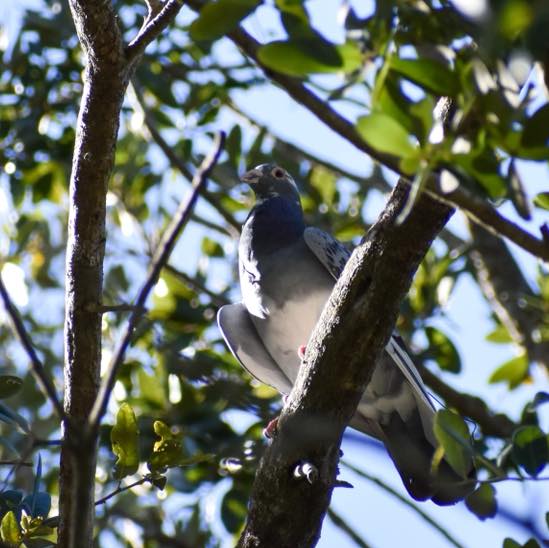
- Pigeons’ historical significance and roles in human society
- The biological and behavioral characteristics of pigeons
- Conservation efforts and the ecological impact of pigeons
- Training and communication skills of pigeons
- Misconceptions and societal perceptions of pigeons
Pigeons have long been an integral part of human civilization, dating back thousands of years. These birds were initially revered for their abilities, such as carrying messages over great distances. Their historical significance cannot be overstated. They have served as wartime messengers, symbols of peace, and diligent companions. In today’s society, however, misconceptions about them often overshadow their contributions.
Biologically speaking, pigeons are fascinating creatures. With an average weight of about 300 grams and the ability to fly at speeds exceeding 60 miles per hour, they boast impressive physical abilities. Their eyesight is particularly remarkable, allowing them to see ultraviolet light that is invisible to humans. This capability aids them in navigation, perception of the environment, and even mate selection, enhancing their effectiveness as both wild and domesticated species.
Behaviorally, pigeons exhibit remarkable social structures. They are known for forming strong pair bonds and living in flocks, which enhances their survival prospects. Their cooperative nature has been well-documented in various studies, highlighting how social interactions can reduce stress and enhance well-being. Both juvenile and adult pigeons benefit from the community-oriented lifestyle, demonstrating territoriality and complex social interactions that add to their intriguing nature.
The role pigeons play in ecosystems is often overlooked. As granivores, they help disperse seeds, fostering plant growth and biodiversity. Moreover, they serve as prey for various birds of prey, thus playing a crucial part in food webs. While urbanization has significantly altered their natural habitats, conservation efforts aim to address these changes. Reserves and sanctuaries focused on pigeon populations have been developed in various regions, showcasing a commitment to preserving their ecological role.
Pigeons are not just passive creatures; they possess remarkable training abilities as well. Their intelligence is evident in their capability to learn and memorize complex tasks. This skill has made them valuable in various fields, including search and rescue operations, where trained pigeons can locate missing persons. Communication with pigeons involves a variety of cues, from vocalizations to body language. Their ability to understand human signals adds an additional layer to their interactions, fostering a deeper connection between humans and these underestimated birds.
Despite their many strengths, societal perceptions often paint pigeons in a negative light. Terms like “sky rats” and “pests” are commonly used among urban dwellers. These misconceptions stem from their presence in cities, where they thrive on discarded food and often congregate in large flocks. Such generalizations fail to consider the adaptability, resilience, and ecological importance of these birds.
Educational efforts can shift perspectives regarding pigeons. By providing insights into their ecological roles and contributory interactions with humans, individuals may begin to appreciate these creatures beyond their surface-level appearances. Schools and community organizations can play significant roles in promoting awareness about pigeons as positive members of urban ecosystems.
When examining the future of pigeon-related conservation and community engagement, it’s crucial to focus on collaboration. Establishing partnerships among conservationists, local governments, and educational institutions can leverage shared resources and knowledge, fortifying efforts to safeguard pigeon populations. Workshops and informational sessions can introduce the value pigeons bring to local ecosystems, fostering a sense of responsibility and promoting coexistence.
Additionally, urban habitats present opportunities for conservation innovation. Initiatives that create pigeon-friendly spaces can help return balance to ecosystems while managing populations effectively. Encouraging responsible feeding sites, designated nesting areas, and community education can contribute to these efforts.
Among various underrated animals, pigeons often serve as the poster child for the importance of understanding and respecting wildlife. They embody resilience, adaptability, and strong familial bonds. While pigeons may not attract immediate affection, their contributions merit greater appreciation. For those interested in wildlife, engaging with pigeons can offer unique educational opportunities and insights into urban ecology and animal behavior.
As a reader, consider the more common misconceptions you may hold about pigeons. What do you perceive as their primary characteristics? Explore these questions and venture into the world of pigeons, taking a fresh look at these often-overlooked birds. Your reflections can enrich your understanding and appreciation of the vast complexities of animal life coexisting with humans.
If you’ve ever interacted closely with an animal that’s not commonly appreciated—but shows fascinating features, like pigeons—share your insights in the comments. Name your favorite underrated animal to work with and help spread awareness about the diverse forms of life enriching our environments, echoing the significance of animals that deserve recognition.
By fostering a greater understanding of pigeons and their roles within ecosystems, society can begin to elevate the standing of these birds. They are more than just a common sight in urban landscapes; they are intrinsic to ecological health and human history alike. This new perspective can pave the way for practical actions that support pigeon populations and promote harmony within urban spaces.
Engaging with pigeons on a foundational level can help individuals not only appreciate their complexity but also recognize their need for conservation support. Through collaborative efforts, educational programs, and community backing, the narrative surrounding pigeons can shift towards one of respect and admiration, bringing light to these underrated animals that continue to play vital roles in our environments.
*****
Source Description
Pigeons are such an underrated animal to work with.👌🏼. Name your favorite underrated animal to work with in the comments below!
