
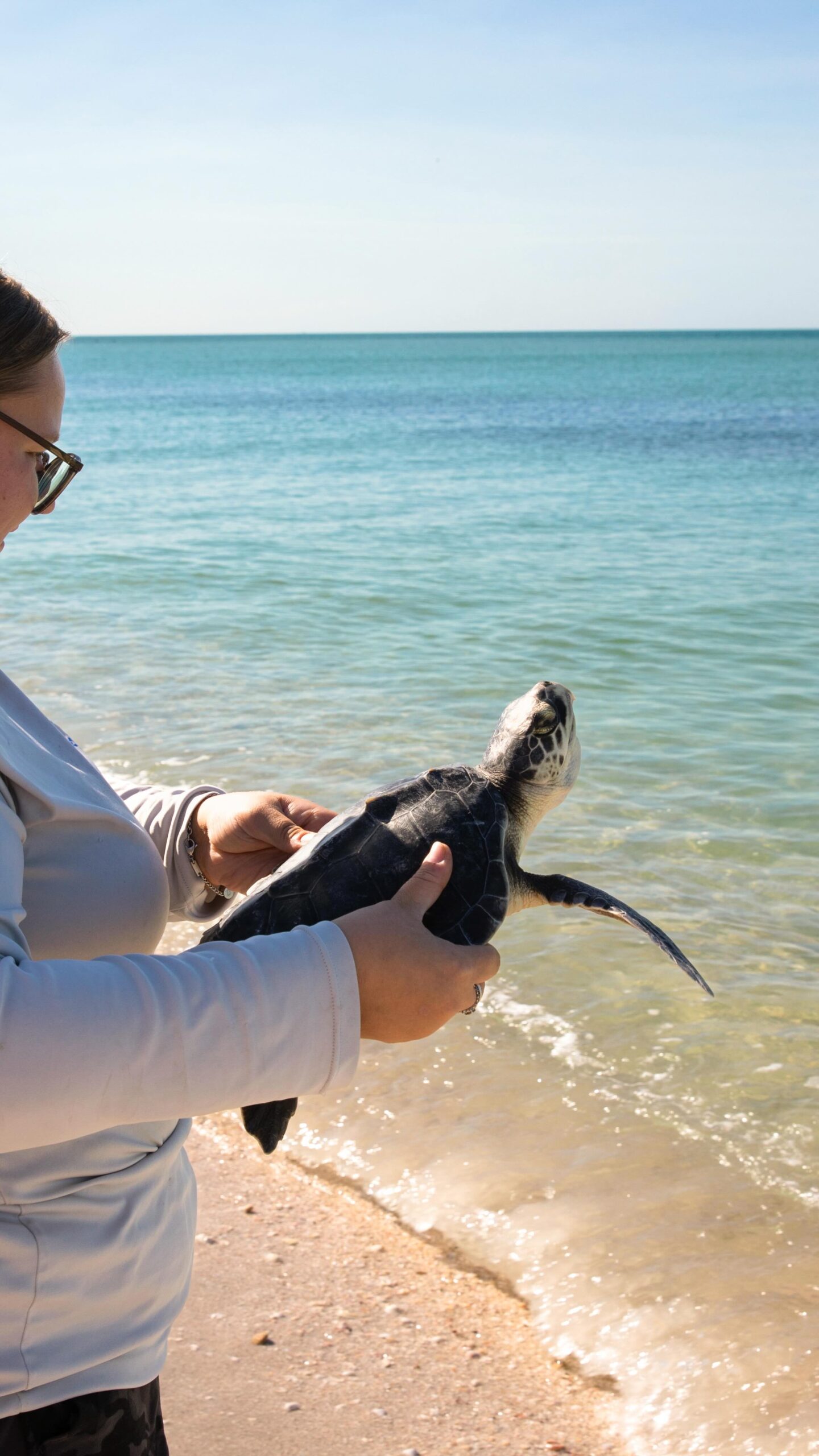
- Mote Marine Laboratory’s recent rescue efforts for two sea turtles, Josephine and Lucy.
- Details of the rehabilitation process for sea turtles at Mote’s facility.
- The importance of sea turtles in marine ecosystems and the threats they face.
- How the community can participate in sea turtle conservation efforts.
- Resources available for reporting stranded or injured marine animals.
Mote Marine Laboratory has made significant strides in the rescue and rehabilitation of sea turtles, with the recent release of two remarkable individuals: Josephine, a juvenile Kemp’s Ridley, and Lucy, an adult Loggerhead. These stories highlight the incredible resilience of sea turtles and the dedicated work conducted at Mote’s Sea Turtle Rehabilitation Hospital.
Josephine was admitted to Mote’s facility during the summer when she was found floating upside down along Caspersen Beach in Venice. This behavior, known as “turtle tumble,” often indicates health problems. The young turtle was entangled in fishing line, which is a recurring issue for marine wildlife. Entanglement can lead to severe injuries or impair a turtle’s ability to swim and feed, often resulting in fatal outcomes if not addressed promptly. The staff at Mote took immediate action to untangle Josephine and began a thorough assessment of her health.
Lucy’s situation was different; she arrived at the facility in the fall, having been caught on a fishing hook off Anna Maria Island. This experience exemplifies the dangers posed to sea turtles by fishing activities. It is critical to remove hooks and other fishing gear immediately, as embedded objects can cause significant internal injuries. When Lucy was brought in, veterinarians found a hook lodged in her esophagus, making her condition life-threatening. The prompt and specialized care she received restored her health, allowing her a chance at survival.
The rehabilitation process for sea turtles at Mote is extensive and highly specialized. Upon arrival, each turtle undergoes a full medical evaluation, which often includes blood tests, X-rays, and physical examinations to assess any injuries. If necessary, these turtles receive surgical procedures, medication for infections, and supportive care such as fluid therapy. Rehabilitation can vary greatly in duration, depending on the injuries and the turtle’s response to treatment. Mote’s team includes veterinarians and dedicated staff committed to ensuring the best possible recovery for each turtle.
Once a turtle has regained its strength and health, the next phase involves assessing its readiness for release. Factors such as weight, swimming ability, and behavior are carefully monitored to determine whether a turtle can survive in the wild. The successful rehabilitation of Josephine and Lucy culminated in their release on October 24, a day filled with hope and celebration, reflecting the effectiveness of Mote’s rehabilitation efforts.
The stories of Josephine and Lucy serve as poignant reminders of the significance of sea turtles in marine ecosystems. These species play vital roles in maintaining the balance of oceanic habitats. For instance, sea turtles help maintain healthy sea grass beds and coral reefs, which provide shelter and food for diverse marine life. They are often considered indicators of ocean health, meaning their well-being can reflect the condition of the surrounding environment.
However, sea turtles face numerous threats that jeopardize their survival. Human activities remain one of the most significant challenges. Overfishing, habitat destruction, pollution, and climate change all contribute to their decline. Sea turtles often become entangled in fishing gear, ingest plastic debris, and face rising ocean temperatures that threaten their nesting sites. Understanding these challenges is crucial for conservation efforts and highlights the importance of interventions like those conducted by Mote.
Community involvement is vital in the ongoing efforts to protect sea turtles. Citizens can play a role in this initiative by reporting any stranded or injured sea turtles or marine mammals. Mote’s Stranding Investigations Program operates a 24-hour response service for these situations. Sightings of stranded or dead turtles can indicate broader ecological issues, underscoring the need for immediate action. The public can contact Mote at 888-345-2335 when they encounter such incidents.
Moreover, educating the community on the importance of responsible fishing practices can significantly reduce the risks faced by marine life. Simple actions, such as securely disposing of fishing gear and avoiding marine litter, can mitigate threats to sea turtles. Communities can also participate in beach clean-ups and advocacy efforts that promote environmental protection.
In addition, local organizations and educational institutions frequently host workshops and awareness campaigns aimed at fostering a deeper appreciation for marine ecosystems. Participating in these programs can empower individuals to become active stewards of conservation.
Mote Marine Laboratory provides a wealth of resources and information on sea turtle conservation through their educational outreach programs. With a mission centered on research, education, and conservation, Mote seeks to enhance public understanding of marine species and the ecosystems they inhabit. Engaging directly with the community provides numerous benefits, amplifying the collective impact on marine conservation efforts.
Witnessing the rehabilitation and release of Josephine and Lucy is not just a victory for the turtles but also an essential aspect of broader conservation dialogue. Their recoveries exemplify the urgent need to advocate for protective measures aimed at preserving marine biodiversity.
Understanding the specifics of Mote’s therapeutic protocols can enhance awareness regarding marine wildlife rehabilitation. The processes utilized for treating injured sea turtles involve advanced medical techniques, alongside comprehensive care regimens. Mote’s dedication to rehabilitation showcases the collaboration between science and compassionate care in wildlife management.
Conservationists continually stress an integrated approach to marine protection, advocating for policy changes that limit human impact on vulnerable species. Addressing overfishing, habitat conservation, and pollution control stand as cornerstones in the ongoing fight for sea turtle recovery. Legislative measures aimed at safeguarding nesting beaches and foraging habitats will also play a crucial role in ensuring these species thrive.
The successful stories of rehabilitated sea turtles resonate not only within the immediate community but also inspire advocates globally. Josephine and Lucy symbolize hope for their species, and their release signals a larger narrative of conservation triumphs. Wildlife rehabilitation transcends individual cases; it reflects a collective commitment to safeguarding the future of marine wildlife.
Mote’s ongoing efforts fuel the conversation surrounding marine wildlife conservation and the critical importance of preserving natural habitats. As stewards of the environment, we must recognize our influence on ecosystems through our daily actions. Encouraging responsible behaviors, advocating for sustainable practices, and supporting rehabilitation initiatives can significantly affect marine health.
By remaining engaged with local initiatives and information shared through organizations like Mote, individuals can contribute to fostering a culture of conservation. Understanding the intricacies of sea turtle rehabilitation widens the perspective on wildlife management and instills a sense of responsibility toward protecting these magnificent creatures.
The release of Josephine and Lucy serves not only as a testament to successful rehabilitation efforts but also as an opportunity for collective reflection on our role in marine conservation. As we look to the future, may their journeys empower communities to prioritize the conservation of sea turtles and the diverse ecosystems they inhabit.
*****
Source Description
Good News Friday! 🩵🌟Mote recently rescued, rehabilitated and released two sea turtles — Josephine and Lucy.
Josephine, a juvenile Kemp’s Ridley, was admitted to Mote’s Sea Turtle Rehabilitation Hospital this summer after being found floating upside down along the surf line at Caspersen Beach in Venice, with fishing line entangled around her left front flipper.
Lucy, an adult Loggerhead, was admitted this fall after being hooked by a fisherman off Anna Maria Island the previous day. Upon intake, a hook with an attached metal leader was found embedded in her esophagus.
After Josephine and Lucy’s successful rehabilitation at Mote’s Sea Turtle Rehabilitation Hospital, they were released on Friday, October 24!
Josephine and Lucy’s stories underscore the resilience of sea turtles and the vital work of Mote’s rehabilitation efforts. 🐢✨
🚨Within Sarasota or Manatee County waters, if you see a stranded or dead sea turtle or marine mammal, please call Mote’s Stranding Investigations Program, a 24-hour response service, at 888-345-2335.
Mote’s sea turtle activities are conducted under Florida Fish and Wildlife Conservation Commission Marine Turtle Permits 155, 216, 027, 054, 070, 048, 126 and 028.
