
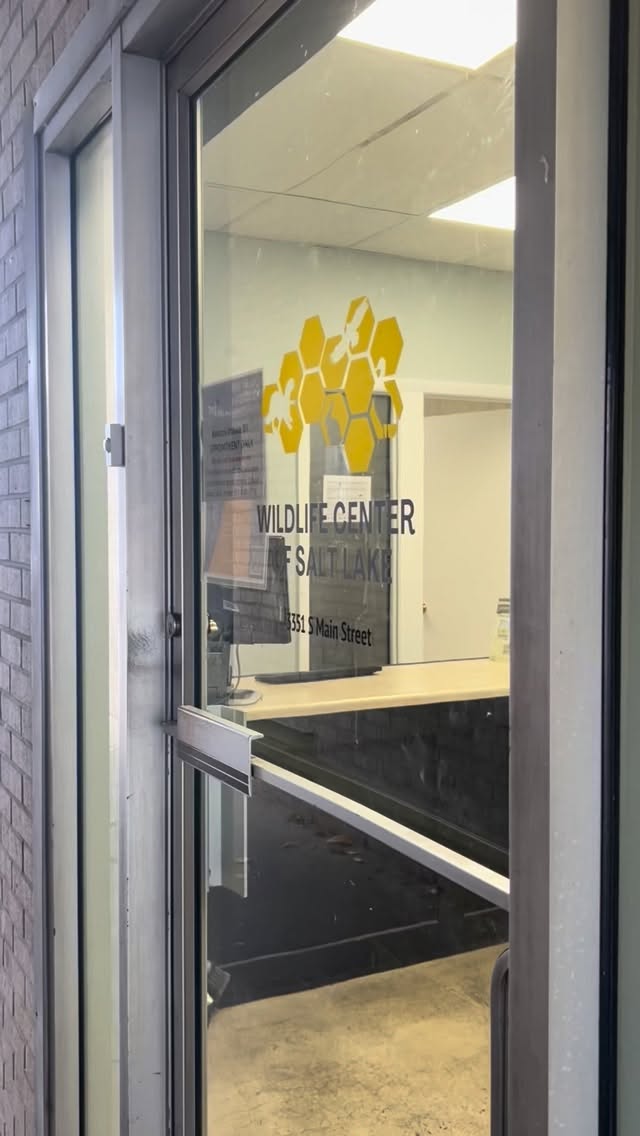
- The crucial role of The Wildlife Center of Salt Lake in local wildlife rehabilitation.
- The significance of lead poisoning in birds of prey and the impact on urban environments.
- Introduced technology and tools for wildlife rehabilitation, including the lead testing machine.
- Community engagement and future plans for expansion of services.
- The partnership between The Wildlife Center of Salt Lake and conservation organizations, such as the Great Salt Lake Audubon.
The Wildlife Center of Salt Lake plays a vital role in wildlife rehabilitation and conservation efforts within Salt Lake County. Established in response to a community need, the center provides crucial services for injured, sick, and orphaned wildlife. Its location in South Salt Lake provides access to residents who previously had to travel to Ogden for rehabilitation services. This geographical advantage enhances the rapid response to local wildlife emergencies, ensuring that help arrives promptly when wildlife is in distress.
Lead poisoning presents a significant threat to birds of prey, particularly in urban environments. As these raptors consume contaminated prey, they can experience severe neurologic symptoms like ataxia, head tilts, and seizures. Diagnosing the cause of these symptoms can be challenging, as multiple factors may contribute to an animal’s condition. To address this, the Wildlife Center tests all admitted raptors for blood lead levels. By identifying lead as a potential cause, the team can differentiate between various diagnoses and provide more accurate treatment options. This testing also generates valuable data regarding the diet of raptors living in urban settings, enriching the understanding of their ecological interactions and informing wildlife management policies.
A significant advancement for The Wildlife Center of Salt Lake is the acquisition of a lead testing machine through their Conservation Fund and partnerships with organizations like the Great Salt Lake Audubon. This technology facilitates more precise diagnostics for lead poisoning in birds and enhances rehabilitation efforts. With the ability to quickly identify lead levels, the center can initiate timely treatments, ultimately increasing survival rates for affected birds. The testing results enable the team to gather critical information on raptor diet and health, which is then communicated to state agencies. This collaboration allows for more informed decisions regarding wildlife conservation and public health.
Community engagement is another cornerstone of The Wildlife Center’s mission. By educating residents about wildlife conservation and the dangers that local wildlife face, the center fosters a sense of responsibility among community members. This proactive approach not only benefits individual animals but also encourages a broader cultural shift toward conservation and empathy for local wildlife. Additionally, the Wildlife Center is actively pursuing expansion plans to enhance their services further and accommodate a growing need for wildlife care in the region. Developing a larger facility will allow for more rehabilitation spaces, improved care for animals, and increased educational outreach programs.
The mutually beneficial partnership between The Wildlife Center of Salt Lake and conservation organizations is a critical aspect of their work. Collaborations enhance their capacity to affect lasting change in wildlife health and conservation practices. The synergies created through these partnerships enable greater resource sharing and knowledge exchange. This network not only benefits the immediate community but also contributes to more extensive conservation efforts at state and national levels.
Through dedicated efforts, The Wildlife Center provides not just rehabilitation services but also impacts how wildlife is managed and perceived in urban communities. Empowering the public with the knowledge of local wildlife issues helps mitigate wildlife conflicts and promotes coexistence. Understanding the complex relationships between humans and wildlife can lead to more compassionate and responsible behavior, ultimately serving the greater good.
The Wildlife Center of Salt Lake remains an invaluable asset, nurturing local wildlife and developing a more significant awareness of the ecological challenges facing the region. The organization’s commitment to fostering a compassionate and informed community paves the way for improved wildlife health and a more sustainable environment. This model exemplifies how local efforts can resonate throughout the broader conservation landscape, significantly influencing public policy and wildlife management practices.
As the Wildlife Center continues to grow and adapt, it holds the promise of leading the way in wildlife rehabilitation and education in Salt Lake County. By leveraging technology, community support, and collaborative efforts, the center stands as a beacon of hope for local wildlife. Ongoing research and initiatives not only provide immediate care for animals but also protect future generations of wildlife, cultivating a vision of coexistence for all species inhabiting the valley.
The efforts of The Wildlife Center of Salt Lake highlight the need for local organizations dedicated to wildlife rehabilitation. By focusing on issues such as lead poisoning and actively seeking innovative solutions, the center addresses critical challenges facing birds of prey today. Continued investment in technology and education is essential to effectively combat wildlife rehabilitation challenges and safeguard our natural ecosystems.
The significance of lead testing as part of wildlife rehabilitation cannot be overstated. Lead exposure remains a critical environmental issue affecting various wildlife species, particularly in urban areas. Testing centers like the one established at The Wildlife Center contribute significantly to the ongoing fight against this avoidable threat. By gaining insights into lead levels in birds of prey, the center can act decisively to treat affected individuals and prevent future occurrences.
Raising awareness about lead poisoning is woven into The Wildlife Center’s mission. Public education initiatives inform the community about the sources and dangers of lead, emphasizing responsible behavior in activities such as hunting and fishing that might inadvertently expose wildlife. Encouraging best practices reduces the incidence of lead poisoning among local wildlife, fostering a more harmonious relationship between humans and nature.
As the Wildlife Center continues to enhance its capabilities, the future looks promising for the conservation of Salt Lake County’s wildlife. The support from organizations like the Great Salt Lake Audubon enriches their mission and enables them to better serve the community. Each successful rehabilitation story contributes to the larger narrative of wildlife conservation, fostering hope and urgency in the fight against environmental degradation.
The importance of wildlife rehabilitation extends beyond animal care; it encompasses the broader implications for ecosystems and community involvement. By ensuring essential services are accessible to local residents and fostering an understanding of wildlife’s role in ecosystems, organizations like The Wildlife Center contribute to meaningful conservation efforts. As they expand their facilities and capabilities, the center will undoubtedly strengthen its impact on both wildlife and human welfare, offering an essential bridge for coexistence in an increasingly urbanized world.
Sustaining these efforts will require ongoing advocacy and support from the community. Encouraging donations, volunteer participation, and educational outreach will bolster the center’s capacity to meet its objectives. The efforts of The Wildlife Center extend beyond immediate rehabilitation; they aim to inspire a culture of empathy, responsibility, and action among all individuals, promoting a healthy environment for both wildlife and human populations.
Ongoing collaboration with local agencies and educational institutions can further enhance wildlife conservation efforts. By sharing expertise and resources, these partnerships can drive innovation in wildlife care and management practices. This cross-disciplinary approach will provide a comprehensive framework for addressing the challenges wildlife face, ensuring that every animal’s life is respected and valued.
The work of The Wildlife Center of Salt Lake exemplifies the dedication and passion needed to impact wildlife conservation positively. As they continue to grow and adapt to the challenges ahead, they will play a pivotal role in shaping policies and public perceptions regarding wildlife. Their contributions resonate throughout the valley, paving the way for future generations to inherit a healthier, more balanced ecosystem. Each success story not only reflects individual animal recoveries but also encapsulates a broader commitment to a thriving coexistence between humans and wildlife.
The Wildlife Center of Salt Lake stands as a leader in conservation, providing essential services, education, and advocacy for local wildlife while inspiring communities. Through innovation in rehabilitation, partnerships, and unwavering dedication, they work tirelessly to promote a future where wildlife thrives in harmony with human development.
*****
Source Description
The WIldlife Center of Salt Lake does crucial work right in the heart of the valley. Through our Conservation Fund and the @greatsaltlakeaudubon , we were able to aid their efforts in funding a lead machine, a crucial tool for wildlife rehabilitation. With this purchase, the WCSL team can now diagnose and treat wild animals for lead!
When birds are admitted to the wildlife hospital and have neurologic signs such as ataxia (wobbly, stumbling), head tilts, seizing, etc., it can be hard to distinguish what caused their signs, and there could be more than one diagnosis. All admitted birds of prey are tested for blood lead levels, since they may consume prey that has become contaminated with lead. Through testing, the team can rule out causes and treat these birds accurately. This also helps give insight into what birds of prey are eating in urban environments, and the information gathered from these lead tests is passed on to state agencies to inform safety decisions for wildlife.
We are so proud to support the work that they are doing for our local wildlife. The Wildlife Center of Salt Lake saw a need in the community for a wildlife rehabilitation organization for Salt Lake County residents and established themselves in South Salt Lake. Previously, the closest location for residents was in Ogden, Utah. They are currently actively working towards an expanded location in Salt Lake County to support our local wildlife and the community. Learn more about their work at https://wildsaltlake.org!
