
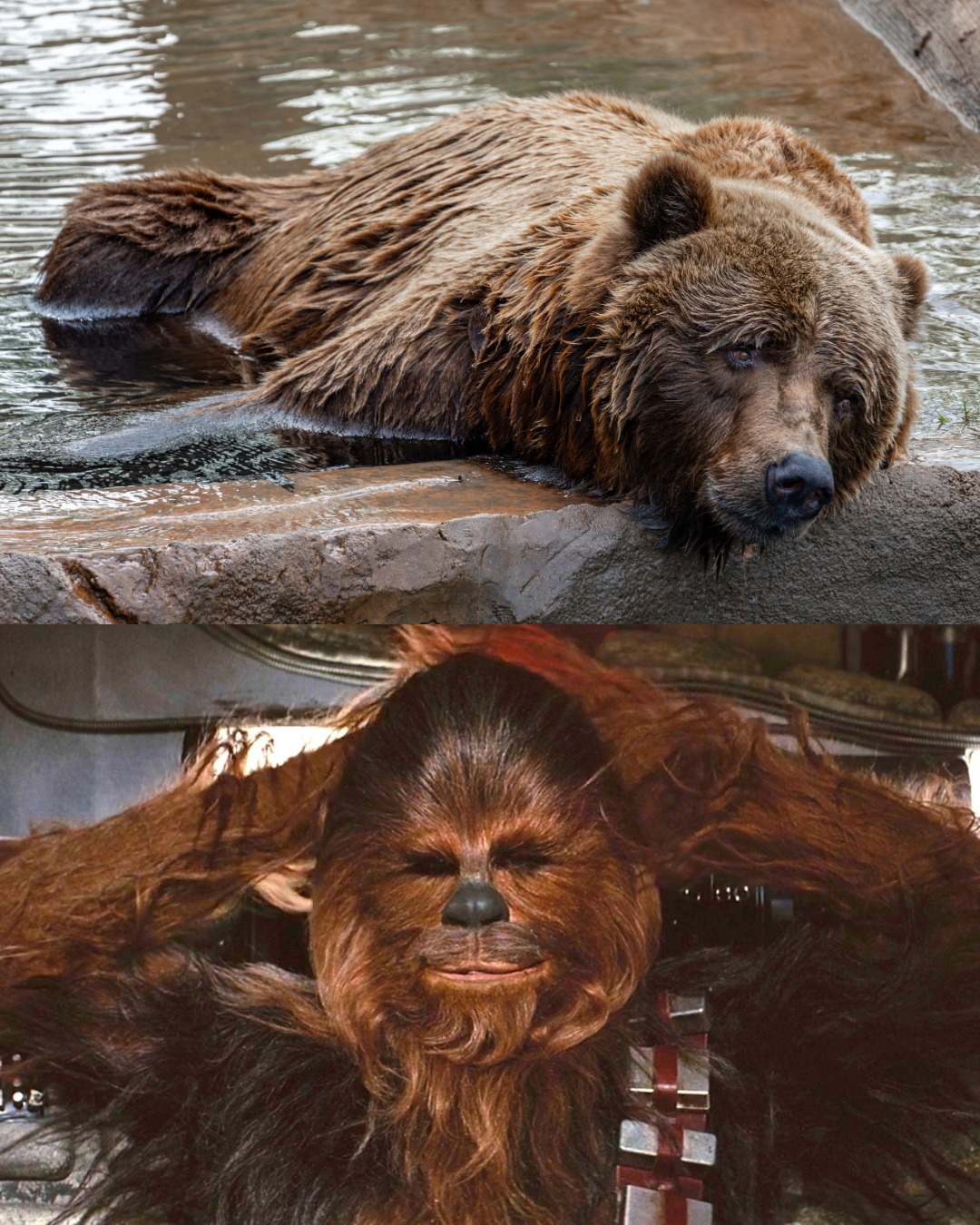
- The fascinating relationship between fictional creatures and real animals.
- The role of zoos in wildlife conservation and education.
- Key species of interest linked to Star Wars animals.
- The interplay of science and imagination in zoology.
- Celebrating May the Fourth with a connection to wildlife.
The connection between fictional creatures like banthas and dewbacks from the Star Wars universe and actual animals can be captivating. These fantastical beings are often inspired by real-world species, showcasing the creativity and imagination inherent in storytelling. The process of transforming elements of nature into fictional representations not only enriches narratives but also fosters appreciation for biodiversity.
Let’s consider the bantha. Esteemed as a workhorse of the desert planet Tatooine, the bantha is depicted as a large, shaggy mammal with curved horns. This creature draws inspiration from several real animals, notably the bison and the yak. Bison are known for their impressive size and strength, traits that are mirrored in the bantha. Just like bison herd together for protection and social interaction, the fictional banthas are often shown in groups, reflecting the social structure observed in many ungulates.
Dewbacks, on the other hand, are reptilian creatures, appearing as lizard-like beings capable of traversing the harsh terrains of Tatooine under the sun’s glaring heat. They nod to real-world reptiles such as monitors and iguanas, both of which have adaptations for surviving in arid environments. Monitor lizards, known for their agility and hunting prowess, offer many insights into the behaviors that could inspire a fictional creature’s traits.
The imaginative process doesn’t just highlight the link between fact and fiction; it also shows a deeper understanding of ecology, animal behavior, and adaptations. Each fictional creature can be seen as a metaphor for different traits and qualities found in the animal kingdom. This synergy enriches both storytelling and scientific inquiry, emphasizing how narrative and research can intersect.
Zoos play a pivotal role in wildlife conservation and education. As institutions focused on the well-being of animals, they also serve as vital centers for public awareness about environmental issues. Many species depicted in films have real-life counterparts facing dire threats from habitat loss, poaching, and climate change. By promoting awareness of these animals, zoos inspire action and foster connection with wildlife.
At the Oklahoma City Zoo, today’s celebration on May the Fourth represents a perfect opportunity to engage the community. Special events can encourage guests to appreciate both the Star Wars universe and the vital conservation messages surrounding endangered species, which have parallels in the very creatures that sparked the imagination of filmmakers. This highlights the importance of safeguarding species that mirror those we cherish in our favorite stories.
Takin the time to learn about these creatures can lead to proactive conservation efforts. Many of the animal behaviors and adaptations we observe are themes echoed in fiction. The social dynamics of herd animals like elephants resonate with the depiction of banthas traveling in packs. Such dynamics not only stimulate interest in storytelling but also emphasize the need to protect these intricate systems in nature. Without conservation efforts, species could become extinct, leaving a void that even the best storytellers can’t fill.
Among the species impacted is the African elephant, whose familial bonds mimic those of both mythical and real pack animals. Education about elephants, including their critical role in ecosystems as keystone species, facilitates understanding of their plight. Celebrating storytelling, while fostering awareness about animal conservation, creates a bridge between the two worlds.
When examining the creatures featured in Star Wars, several species stand out as offering opportunities to connect with wildlife conservation themes. The Ewoks, for instance, mirror various primate species. Their behaviors and social structures can reflect the intricate lives of species such as capuchins and macaques. In understanding these similarities, we deepen our appreciation for the living animals that inspire such portrayals.
Beyond examining individual species, the entire concept of alien life enables questions about biodiversity in other environments, raising awareness about our responsibilities toward preserving Earth’s ecosystems. The acknowledgment that many of our favorite fictional creatures have roots in real biology encourages a sense of stewardship. Imagining life beyond our planet invites curiosity about life on Earth, and how we can protect it.
Moreover, significant efforts are underway within zoos to promote breeding programs and rehabilitation initiatives for endangered species. This mission aligns closely with the ethics highlighted in narrative forms. Engagement with storytelling yields empathy, driving audiences to consider their impact on the environment and promoting involvement in local conservation initiatives.
Consider the work being done with species like the California condor. Once on the brink of extinction, this magnificent bird has seen resurgence through human intervention. Such a transformation echoes the hero’s journey seen in the narratives we love. The flight of the condor can serve as a parallel to the ongoing fight for conservation and the resilience of nature—an inspiring message for everyone, especially as May the Fourth encourages creativity and imagination.
Furthermore, utilizing technology, conservationists and zoos can enhance educational experiences by utilizing virtual reality and augmented reality devices, transporting visitors to distant habitats. Such methods foster a connection to wildlife interactions that parallel those in fictional storytelling. By doing so, young people may be inspired not only to join the conservation cause but also to dream of creating their own narratives within that framework.
Understanding animal behavior and conservation also includes acknowledging climate change’s influence on habitats and species survival. Many animals face threats like changing temperatures, inconsistent water supply, and altered food resources. These stressors reveal parallels to the fictional depictions of species battling for survival. Recognizing these issues can inspire active participation in conservation efforts, harnessing the influence of creativity to initiate environmental change.
Each May the Fourth, as celebrations for Star Wars commence across nations, consider how this innovative universe reflects significant themes in wildlife. The connections between fictional and real animals prompt us to ponder biodiversity and the significance of preserving it. Just as characters evolve through their journeys in stories, real animals, too, adapt to their environments. Many are resilient yet vulnerable, embodying both strength and fragility.
Whether it’s the adaptations of desert creatures like dewbacks or the social dynamics of animals like banthas, the parallels to real-world species serve as reminders. Creatures of lore also mirror life lessons about friendship, perseverance, and the interconnectivity of all beings. Engaging with these themes provides depth to our understanding of nature, revealing how much they shape our own lives.
The narrative we weave around animals—both fictional and real—offers insight into the world they inhabit and the challenges they face. Filmmakers have drawn varying aspects of creatures, lending detail to the Star Wars saga. As the stories unfold, so do the messages of conservation, urging audiences to consider their role in preserving the beauty of the animal kingdom.
In this celebration of May the Fourth, consider the impact of storytelling and its essence in forming connections to wildlife. Embracing the likeness of creatures like banthas and dewbacks reminds us how humanity’s challenges are intertwined with nature’s. The journey of understanding how fictional narratives reflect biological realities allows us to recognize and act upon our responsibility toward wildlife conservation.
Connecting the imaginative essence of Star Wars with real-world species not only elevates entertainment but also amplifies educational and conservation efforts. The magical world crafted by filmmakers can harmoniously coexist with scientific inquiry, inspiring generations to value and protect the incredible diversity of life on our planet. Each animal, whether rendered in CGI or existing in the wild, plays a role in the greater narrative of our ecosystem. With May the Fourth at our doorstep, let us unite storytelling with action toward a sustainable future for wildlife.
*****
Source Description
These are not the animals you’re looking for… actually, they totally are. 🐾
From banthas to dewbacks, our animals are ready to join a galaxy far, far away. Happy May the Fourth from your favorite local spaceport: the OKC Zoo! ✨
📸 Photo Crew Members!
