
Summary of Houston Zoo’s Tucker and Nelson Head to New Home After Years of Impact:
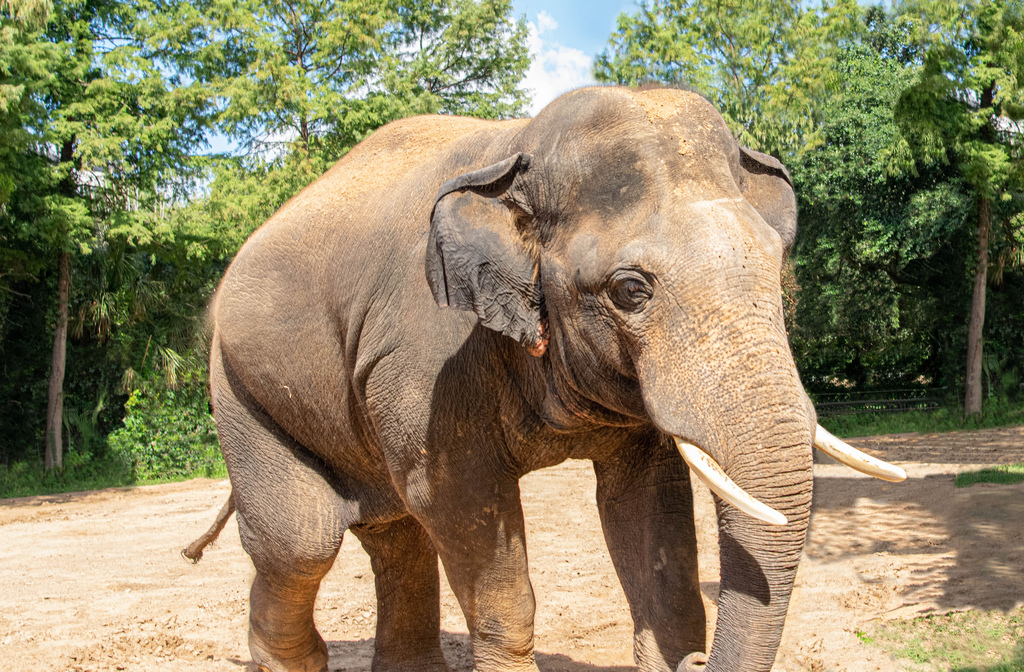
Tucker and Nelson, two elephants from the Houston Zoo, are set to move to a new facility accredited by the Association of Zoos and Aquariums. Tucker came to the zoo in 2008 from California with his mother and has become a well-known, playful member of the herd. Nelson was born at the zoo in May 2020 during the pandemic and overcame a critical health issue shortly after birth thanks to the dedicated care team.
Both elephants have been involved in the zoo’s efforts to combat EEHV, a significant threat to young elephants, through a partnership with Baylor College of Medicine to develop a potential mRNA vaccine. Their move is recommended by the AZA Species Survival Plan to support genetic diversity and the health of Asian elephants in care. Visitors are encouraged to see them before their relocation.
- Tucker and Nelson’s journey and impact on the Houston Zoo and elephant conservation efforts.
- The challenges and triumphs in raising elephants in a captive environment, focusing on their personal stories.
- The crucial role of the Houston Zoo in combating Elephant Endotheliotropic Herpesvirus (EEHV) in partnership with research organizations.
- The importance of species management and the AZA Species Survival Plan in ensuring genetic diversity among captive elephants.
- The significance of public engagement and education in supporting conservation initiatives.
Tucker and Nelson’s journey at the Houston Zoo highlights the intricate relationship between wildlife conservation and zoological management. Tucker arrived at the Houston Zoo in 2008 as a spirited three-year-old alongside his mother, Tess, after a relocation from California. His presence has been emblematic of the joys and challenges that come with raising a juvenile male elephant. Known for his energetic antics, Tucker quickly became a favorite among visitors and staff alike. His mischievous nature was evident as he delighted in surprising guests with unexpected splashes from the pool—a playful behavior that persisted even as he matured.
Nelson’s story, however, began within the grounds of the Houston Zoo itself. Born on May 12, 2020, to his mother Shanti, during the height of the pandemic, his entry into the world was witnessed only by the steadfast zoo caretakers. His birth was anything but straightforward, as a critical medical emergency arose shortly after his arrival. Hemorrhaging from a torn umbilical vessel presented a dire challenge that the zoological team met with urgency and expertise, performing emergency surgery to save his life. This pivotal moment underscored the profound dedication and skill exhibited by the zoo’s veterinary professionals, whose efforts ensured Nelson could thrive within his herd.
An essential aspect of the Houston Zoo’s mission involves addressing the threat of Elephant Endotheliotropic Herpesvirus (EEHV), a formidable disease affecting elephants globally. The zoo, in collaboration with Baylor College of Medicine, has embarked on groundbreaking research to develop an mRNA vaccine. This initiative reflects a broader commitment to both captive and wild elephant populations. EEHV poses a significant risk, particularly to juvenile elephants, making these research efforts vital for the conservation of the species.
The strategic decision for Tucker and Nelson’s move to a new Association of Zoos and Aquariums-accredited facility aligns with the zoo’s dedication to the AZA Species Survival Plan. This plan ensures the sustainability and genetic health of captive elephant populations through the careful management of breeding and relocation. Given their shared genetic ties with much of the Houston herd, this move promises to expand breeding opportunities, strengthening the population’s genetic diversity. Such actions are critical not only for the elephants in human care but also for the global conservation efforts aimed at preserving Asian elephants.
The relocation of Tucker and Nelson is not merely an operational decision; it is a part of a grander vision to cultivate a broader understanding and support for elephant conservation. Public engagement and educational outreach have been at the core of the Houston Zoo’s philosophy. By creating memorable experiences and fostering connections between visitors and wildlife, the zoo plays an influential role in conservation advocacy. Visitors are encouraged to connect with the personal stories of animals like Tucker and Nelson, building empathy and rallying support for conservation initiatives.
The stories of Tucker and Nelson are testimonials to the dynamic world of zoos and their ever-evolving role in wildlife conservation. They highlight the challenges and triumphs of elephant management, the critical collaborative research efforts in disease prevention, and the strategic initiatives under species survival guidelines. As Tucker and Nelson transition to their new home, their stories continue to inspire and enlighten, reminding us of the vital intersection between human responsibility and the welfare of our planet’s majestic creatures.
