
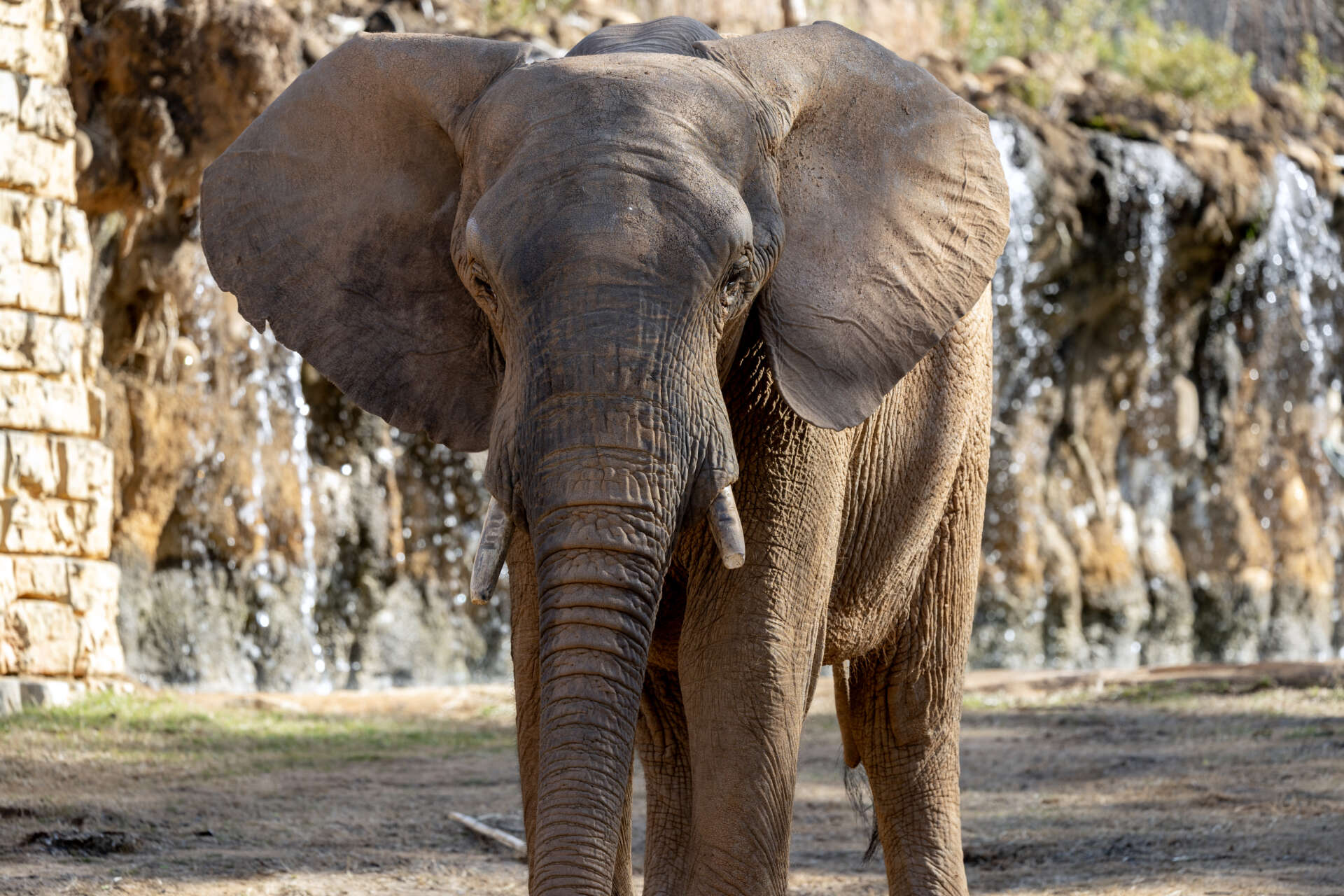
Summary of The BEST biology example – Zoo Atlanta:
Caleb U. from the Elephant Care Team shares insights on how elephants exemplify various biological concepts. His wife teaches 7th grade life science, inspiring him to highlight elephants as magnificent case studies in biology. He explains that elephants are made from fundamental biochemical elements and showcase complex cellular functions, including exceptional muscle control and advanced brain activity. Their genetics reveal traits like low cancer rates due to unique tumor-suppressing genes. Elephants’ evolution and their roles as keystone species highlight their significance in ecosystems, influencing landscape and biodiversity. Caleb emphasizes that observing elephants demonstrates the interconnectedness of biology, advocating for their recognition as fundamental examples in biology education.
- The biochemical foundation of elephants’ biology.
- Cellular structure and specialized functions in elephants.
- Genetic diversity and its importance in elephant conservation.
- Evolutionary adaptations of elephants over time.
- The ecological role elephants play in their habitats.
Elephants represent an extraordinary example of biology at work, spanning a wide range of concepts from the biochemical to the ecological. Their immense size and complexity provide a clear illustration of numerous biological principles that are applicable across a variety of life forms.
The biochemical foundation of elephants’ biology is built on the same basic elements that compose all living things: carbon, hydrogen, oxygen, nitrogen, phosphorus, and sulfur. These elements form the proteins, lipids, carbohydrates, and nucleic acids that are crucial for life. In elephants, proteins contribute to their impressive muscle structure, while hemoglobin is responsible for transporting oxygen throughout their massive bodies. Energy needs are met through adenosine triphosphate (ATP), which fuels movement and bodily functions, including the remarkable dexterity of an elephant’s trunk. This complex energy conversion process starts with the digestive systems of these large mammals, which are adapted to break down tough plant material through fermentation in their hindguts. The relationship between enzymes and microbes in the digestive tract plays a vital role in converting fibrous plants into usable energy, showcasing the interplay of biochemistry in an elephant’s life.
Examining elephants at the cellular level reveals layers of specialized functions that reflect the animal’s capacity for strength and delicate movement. Muscle cells are uniquely structured to handle immense forces, with the trunk containing over 40,000 individual muscles. This allows elephants to perform tasks that require both power and precision, from lifting heavy objects to picking up small items without causing damage. The neurological system of elephants adds another dimension. Neurons interact within a highly developed brain, allowing them to engage in complex social behaviors, learn from experience, and exhibit a remarkable memory. Even the large, wrinkled skin of elephants embodies adaptations suitable for protection against the environment and for regulating their body temperature.
Genetics plays a significant role in shaping the traits of elephants. Just like other species, elephants possess DNA that dictates various characteristics, including tusk size and resistance to certain diseases. Interestingly, elephants have multiple copies of tumor-suppressing genes, which studies suggest contributes to their lower rates of cancer compared to other mammals of similar size. The maintenance of genetic diversity is crucial for the long-term health and sustainability of elephant populations. This diversity is vital not only for adaptation to changing environments but also for enhancing resilience against diseases. Conservation efforts often focus on maintaining genetic variability to strength population robustness.
The evolutionary story of elephants is rich and significant, marked by adaptations that have allowed them to survive in diverse environments over millions of years. Both African and Asian elephants have unique features shaped by natural selection, including their distinct trunk evolution and the development of large ears that help with thermoregulation. Tusks, which are modified incisors, exemplify how evolutionary pressures have sculpted elephant morphology. They serve multiple purposes, including foraging, defense, and social interactions. Fossils from relatives like the woolly mammoth provide insight into how these magnificent creatures adapted to drastically different climates and conditions.
At the ecological level, elephants are often labeled as keystone species, highlighting their critical role in maintaining the structure and health of their ecosystems. Their interactions with the environment are profound; they disperse seeds widely through their dung, which fosters new plant growth. By modifying vegetation through feeding habits, they create spaces for other organisms, enabling biodiversity. Additionally, elephants can create water sources by digging into dry riverbeds, a resource that countless other animals rely on. Their behaviors can significantly alter the landscape, shaping it to suit various life forms, and emphasizing their importance in biodiversity.
Working with elephants is a unique experience, allowing professionals like Caleb from Zoo Atlanta to observe the seamless connection between biochemical processes and ecological impacts. During training sessions, for instance, the practical applications of muscle contractions, neuron firings, genetic expressions, and social dynamics can be witnessed firsthand. Every aspect of their biology serves as a testament to the interconnectedness of life itself.
The educational mission surrounding elephants is crucial to conservation; it shapes public perception and drives action while providing a platform for understanding broader biological concepts. Elephants can be used as a model organism to teach about cellular biology, genetics, evolution, and ecology. The complexity of their biology provides an inclusive case study for students and enthusiasts alike, helping to foster a more profound appreciation of wildlife and its conservation.
Altogether, elephants serve as a significant symbol in biology education. Their intricate relationships within ecosystems and diverse biological systems illustrate countless scientific principles. As conservation efforts continue, the emphasis on the study and protection of elephants acts as a rallying point for enhanced understanding and respect for wildlife broadly. This model not only enriches academic pursuits but also underlines the urgent need for environmental stewardship and biodiversity conservation.
By understanding the biology and ecology of elephants, we better appreciate the natural world and our responsibilities within it. With ongoing research and conservation initiatives, the hope is to promote a future where elephants continue to thrive, embodying the incredible intersection of biology and ecology for generations to come.
