
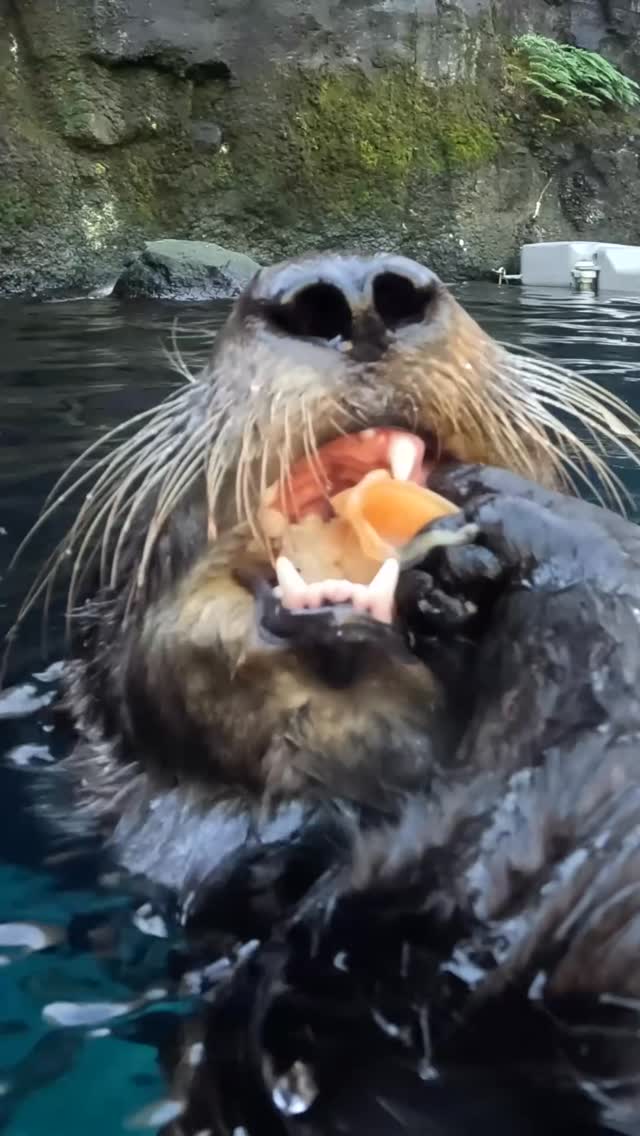
- The significance of “crunchy moments” in wildlife conservation and education.
- Notable events and discoveries in zoology of 2025.
- The impact of technology on animal behavior and conservation.
- Innovative zoo management practices that emerged in 2025.
- Future directions and research priorities in wildlife conservation.
“Crunchy moments” illustrate significant milestones and breakthroughs in wildlife conservation, education, and zoology. These impactful events serve to engage the public and raise awareness, fostering a deeper understanding of the vital importance of preserving biodiversity. In 2025, memorable occurrences prompted progress and innovation, influencing conservation strategies and zoo management practices.
In early 2025, the wildlife conservation community witnessed the unveiling of groundbreaking research that deepened our understanding of animal behaviors. For instance, a study on the migratory patterns of endangered species such as the Eastern Mediterranean loggerhead turtle revealed that climate change is causing a shift in their breeding habits. Researchers discovered that rising sea temperatures are affecting the availability of prey. This information is invaluable. It allows conservationists to develop targeted interventions to secure safe nesting sites and protect key habitats.
Further, technological advancements have revolutionized the way researchers observe and interact with wildlife. Drones equipped with thermal imaging are being utilized to monitor elusive species in dense forests. This non-invasive technology allows biologists to gather data without disturbing natural habitats. Such innovations facilitate real-time monitoring of animal populations, thus helping to identify risks promptly. The enhanced ability to monitor biodiversity contributes significantly to wildlife preservation plans.
In 2025, notable events also emerged within zoological institutions, particularly in the realm of education and public engagement. Zoos played a vital role in promoting conservation awareness through interactive workshops and virtual reality experiences. These immersive educational tools provided visitors with a deeper understanding of the daily challenges faced by endangered species. By integrating storytelling with practical demonstrations, zoos empowered audiences to consider their roles in protecting wildlife.
Highlighting successful educational initiatives, the City Zoo launched a program called “Conservation Ambassadors.” This program trains volunteers to engage with visitors about local and global wildlife issues. The Conservation Ambassadors provided personal accounts of their conservation work and shared success stories of species recovery efforts. This hands-on approach inspired many attendees to become active participants in wildlife protection, building a community of informed advocates.
Zoo management practices adapted in response to emerging research in animal well-being. In 2025, many institutions adopted advanced behavioral enrichment techniques catering to the specific needs of various species. For example, the Installation of “enrichment stations” in animal enclosures became standard practice. These stations provide physical and mental stimulation, which promotes natural behaviors in captive animals. This shift represents a broader philosophy where animal welfare and conservation work hand in hand.
Another innovative practice introduced in 2025 involved the integration of animal health tracking systems. Zoos implemented wearable technologies to monitor vital signs and movement patterns of animals in real time. The data generated helped veterinarians proactively address potential health issues. This merging of technology with traditional zoo management created a more comprehensive understanding of animal welfare.
A pivotal moment in 2025 was the increased emphasis on community-based conservation projects, particularly in areas where wildlife habitats overlap with human activities. Such projects aim to create symbiotic relationships between local communities and conservation efforts. By involving local stakeholders, conservationists identified shared benefits that encourage sustainable practices. This collaborative approach fosters habitat preservation while empowering communities economically.
Additionally, significant funding was allocated to research initiatives aimed at tackling biodiversity loss. Many organizations recognized the urgency of preserving ecosystems at risk due to human activity. As a result, 2025 saw a surge in funding for research projects aiming to restore habitats at critical levels of degradation. These initiatives not only contributed to the recovery of individual species but also aimed to revitalize entire ecosystems.
Networking between global zoos and wildlife organizations became increasingly important. In response to the growing challenges of climate change, collaborative conservation efforts expanded to include transboundary wildlife management programs. Zoos across different countries began to share resources and knowledge, working together to mitigate the impacts of environmental changes on species migration paths and habitat availability.
Research priorities in 2025 underscored the importance of understanding anthropogenic effects on wildlife. Ecological studies indicated that light pollution significantly affects nocturnal animal behaviors, impacting their foraging and mating habits. Identifying these patterns allowed conservationists to advocate for reduced artificial lighting in key habitats. Such evidence-based strategies are instrumental in enacting policy changes aimed at protecting vulnerable species.
The rise of citizen science initiatives also marked significant progress in wildlife conservation. In 2025, more people became actively involved in monitoring local wildlife populations through technology. Volunteers counted birds, tracked migration patterns, and reported changes in local ecosystems via mobile applications. This grassroots involvement has not only enriched data collection efforts but has also fostered a sense of stewardship among participants.
Zoos increasingly adopted conservation breeding programs in 2025, focusing on species facing extinction. These programs aimed to boost genetic diversity in captive populations, to improve their chances of survival when reintroduced into the wild. Institutions collaborated to establish breeding colonies, ensuring genetic health was maintained. The importance of genetic variability cannot be understated. It plays a crucial role in ensuring species resilience against disease and environmental changes.
Alongside breeding initiatives, zoos took strategic actions to educate visitors about the role of genetics in conservation. Informational displays communicated complex ideas simply and actively engaged the public. Educational campaigns highlighted success stories of reintroduction, linking the work performed behind zoo walls to the preservation of natural habitats. Engaging patrons in these initiatives was vital in generating support for conservation funding.
In 2025, the convergence of conservation research and public engagement reached its pinnacle at global conferences. These events provided a platform for scientists and conservationists to share their findings with stakeholders. Workshops sought to connect scientific academia with policymakers, ensuring that research translated into actionable conservation strategies. Attendees came from various sectors, demonstrating a united front to tackle the pressing challenges of wildlife conservation.
This cross-pollination of ideas is crucial as societies increasingly grapple with the consequences of climate change. Educational programs focused on climate literacy became staples in zoos, providing information on how warming temperatures impact ecosystems. By illustrating these connections, zoos aimed to prepare future generations for environmental stewardship.
Innovations in data sharing and collaboration led to the development of global wildlife databases in 2025. These platforms aggregate research findings, observational data, and conservation success stories. By fostering open access to information, researchers can adjust strategies for specific species based on the latest findings and best practices. The evolution of data interoperability has streamlined communication, aiding worldwide initiatives and project coherence.
As we move further into the decade, the momentum for wildlife conservation shows no signs of slowing. The top crunchy moments of 2025 reflect a growing recognition of the integral connections between humans, wildlife, and ecosystems. Each breakthrough serves as a reminder of the necessity of dedicated efforts to preserve our natural heritage.
The collaboration between technology, education, and community involvement marks a defining trajectory for wildlife conservation. As techniques and practices continue to evolve, the shared goal remains clear: safeguarding biodiversity for future generations. This holistic approach encapsulates efforts aimed not just at preserving species but also at fostering relationships that enrich human understanding of wildlife.
Through activism, education, and scientific advancement, 2025 unveiled a transformative year for conservation initiatives. Exploring each of these milestones is not only inspiring but crucial, as engagement with wildlife fosters a sense of responsibility toward the natural world we inhabit.
*****
Source Description
Presenting the top crunchy moments of 2025
