
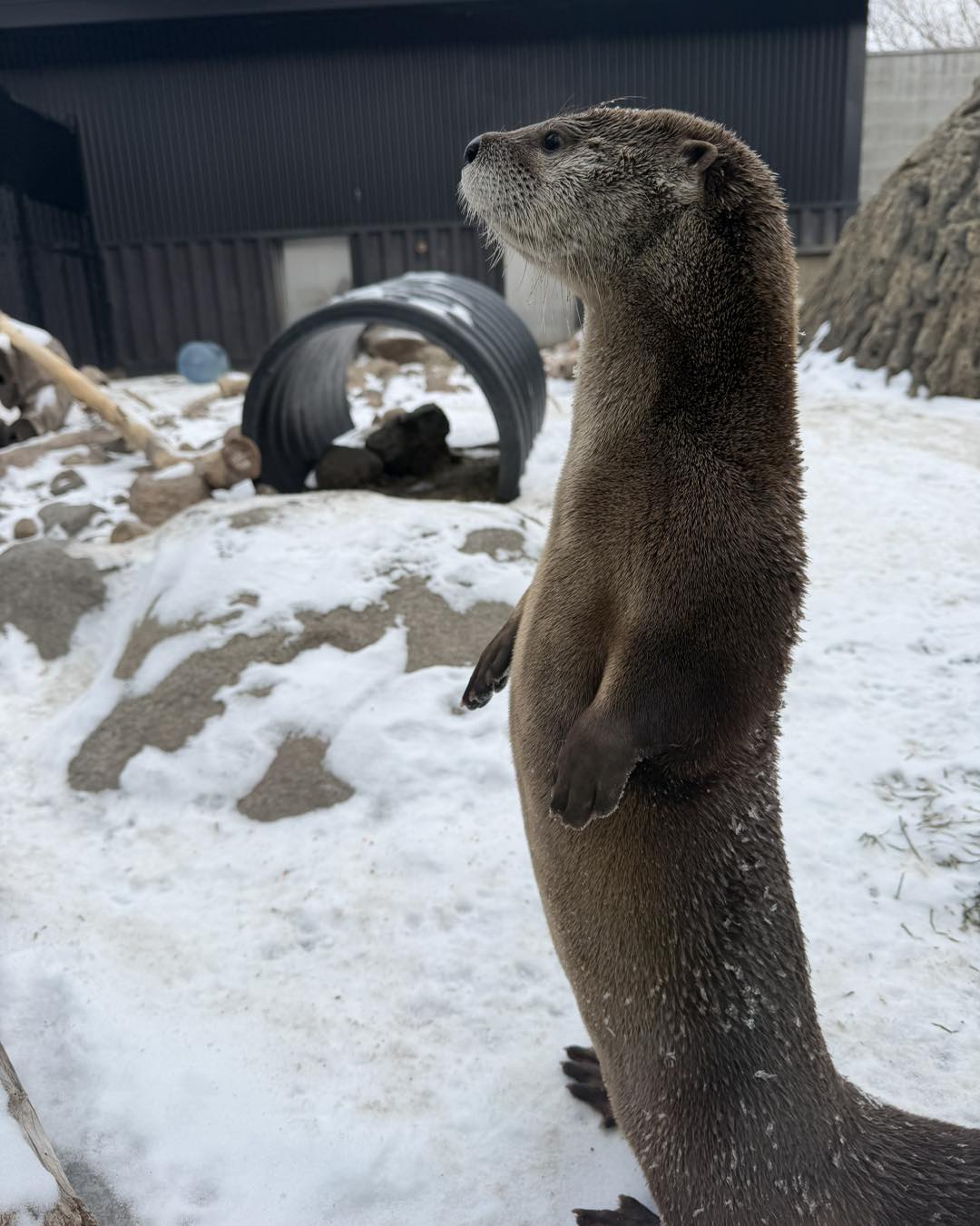
- The importance of zoos in wildlife conservation and education
- How warm weather boosts zoo activity and visitor engagement
- Tips for planning a successful zoo visit during the warmer months
- Educational programs and experiences at the zoo
- The role of zoos in community engagement and environmental stewardship
As the warm weather ushers in the promise of sunshine and outdoor activities, many families and individuals naturally gravitate towards zoos. The relationship between zoos and wildlife conservation is pivotal, as these institutions serve as havens for endangered species and educational hubs for the public. Understanding this connection can enhance your appreciation for your local zoo and what it offers. Zoos worldwide work tirelessly to protect threatened species while providing an engaging experience for visitors.
Warmer temperatures tend to activate the wildlife within these spaces, showcasing animals at their best. When the sun shines, many species become more visible and active. This is particularly true for animals that are naturally inclined to seek sunlight, such as reptiles and birds. Therefore, planning a visit during the hotter months can significantly enhance your experience. Not only will you likely observe a variety of species in motion, but the ambiance of a bustling zoo on a sunny day is unparalleled.
To maximize your visit to the zoo, planning is essential. Arriving early can help you make the most of the day, especially if you are visiting a larger zoo with many exhibits. Make a checklist of which animals or exhibits you wish to see, as some zoos contain intricate pathways that may lead you away from your intended spots. During the summer months, bringing sunscreen and staying hydrated is critical. Many zoos also offer shaded areas and indoor exhibits, which can be useful for cooling off when needed.
A visit to the zoo goes beyond mere observation. Many facilities offer education programs that foster a deeper understanding of wildlife and conservation efforts. These programs range from guided tours and animal encounters to interactive presentations and workshops. Engaging with knowledgeable zookeepers can provide valuable insights into the behavior and care of the animals. Such interactions can spark an interest in wildlife conservation and encourage visitors to adopt sustainable practices in their daily lives.
Zoos also play a significant role in community engagement. They often collaborate with local schools and organizations to promote wildlife education and environmental awareness. This outreach can take many forms, including field trips, specialized workshops in classrooms, and even at community events outside the zoo. By engaging with the community, zoos help cultivate a culture of conservation, fostering behaviors and practices that can positively impact local ecosystems.
In summary, as warm weather approaches, planning your visit to the zoo can lead to an enriching experience that benefits both you and future generations of wildlife. The combination of wildlife conservation, educational opportunities, and meaningful community engagement creates a comprehensive approach to environmental stewardship. Through your visit, you can learn important principles of conservation that transcend your day at the zoo, encouraging responsibility towards our planet and its inhabitants.
Zoos are pivotal institutions in wildlife conservation. They provide breeding programs for endangered species and rehabilitate animals that have been injured or displaced. Captive breeding programs can play a key role in repopulating species that are on the brink of extinction. For example, initiatives for species like the California condor and the black-footed ferret have shown success through collaborative efforts between zoos and conservation organizations. In varying habitats, zoos conduct research that contributes to broader scientific knowledge about animal behavior, genetics, and health.
Education is also a primary focus of most zoos. They serve as educational platforms where visitors of all ages can learn about biodiversity and the challenges animals face in their natural environments. Through thoughtfully designed exhibits and informational signage, zoos help demystify wildlife for the public. Many zoos also host workshops and seminars that delve deeper into pressing conservation issues, thereby equipping visitors with the knowledge they need to advocate for the protection of wildlife and ecosystems.
In the context of warm weather, the zoo becomes even more vibrant. Many animals thrive in temperate climates, and the excitement of their activities is palpable. Bird species like flamingos often engage in courtship displays or social interactions that are eye-catching. Similarly, mammals such as big cats and elephants may exhibit playful behaviors that are often missed during colder months. Visitors should take the opportunity to observe these interactions, which can deepen their understanding of animal behavior and social structures within species.
When planning your trip, early arrival bets the odds in your favor. Try to arrive when the zoo opens, allowing ample time to explore popular areas before they become crowded. This approach also affords you the chance to witness morning routines of various animals, as some species are particularly active during the cooler parts of the day. During hot afternoons, many animals may retreat to shaded areas or dens, which can reduce visibility. Therefore, timing your visit can greatly enhance your experience.
Hydration and sun protection are significant considerations. Most zoos provide water fountains throughout their grounds, but consider carrying a refillable water bottle. Staying hydrated helps maintain energy levels so you can enjoy your day fully. Sunscreen and hats are also vital for shielding your skin from harmful UV rays. Many zoos also feature shaded areas or indoor exhibits where visitors can take a break from direct sunlight.
Educational programs run by zoos can range from formal to informal. Interactive exhibits often allow visitors to engage directly with animals or learn through hands-on activities. Many zoos host trained keepers who present animal talks and demonstrations that are both fun and informative. Watching a keeper feed a sea lion while discussing its diet can provide fascinating insights into animal care and behavior. This hands-on experience not only entertains but also emphasizes the importance of professionals dedicated to animal welfare.
In addition to programs targeting individuals and families, zoos also work extensively with schools. Field trips allow students to connect classroom lessons with real-world applications, providing context for discussions around ecology, biology, and environmental science. Some programs even offer resources for teachers to facilitate classroom discussions post-visit. Consequently, these initiatives engage children and adults alike, reinforcing the importance of environmental stewardship.
Moreover, community outreach extends beyond school programs. Many zoos partner with local organizations for cleanup events, tree planting initiatives, and educational festivals. These collaborations instill a sense of responsibility within communities, encouraging citizens to actively engage in conservation efforts. By fostering relationships with various organizations, zoos can extend their influence beyond their gates, nurturing a culture of conservation.
Special events flourish during warm weather. Zoos often plan festivals and themed days to attract visitors. These events typically include educational activities, food vendors, and live performances, all designed to create a dynamic atmosphere. For instance, some zoos host evening events where families can explore after hours and enjoy special presentations or activities. Taking part in these festivities allows visitors to experience the zoo in an entirely different light.
In other capacities, conservation organizations may set up booths within zoo grounds during special events. These booths provide valuable information about how individuals can contribute to global conservation efforts. Whether it’s adopting an endangered animal or learning about local wildlife rehabilitation programs, these interactions help visitors understand their role in broader conservation efforts.
As warm weather approaches, the zoo presents a compelling place for a weekend outing. Zoos offer educational experiences that nurture curiosity about the natural world, while also emphasizing the importance of conservation. The variety of experiences—from observing dynamic animal behaviors to engaging with knowledgeable staff—ensures that a visit can cater to all interests.
Ultimately, the relationship between society and wildlife has never been more crucial. Zoos act as a link between the public and the natural world, fostering a deeper appreciation for biodiversity. Through direct experience and education, zoos encourage visitors to not only learn about animals but also to advocate for their care and preservation.
In visiting the zoo, you play a role in supporting these essential endeavors. The funds generated from ticket sales and donations often directly support animal welfare initiatives, conservation research, and community education programs. Thus, every visit you make is a contribution to the larger goals of wildlife conservation.
Getting out to the zoo as warm weather approaches is more than just a leisurely activity; it’s an opportunity to engage with nature meaningfully. By planning your visit, engaging fully with educational offerings, and participating in community activities, you contribute to a culture of conservation. Visiting the zoo can inspire responsible action and foster a commitment to preserving the biodiversity essential for life on Earth.
*****
Source Description
Look out, warm weather ahead! Get the zoo in your weekend plans! ☀️
📸 by Keeper Kiera
