
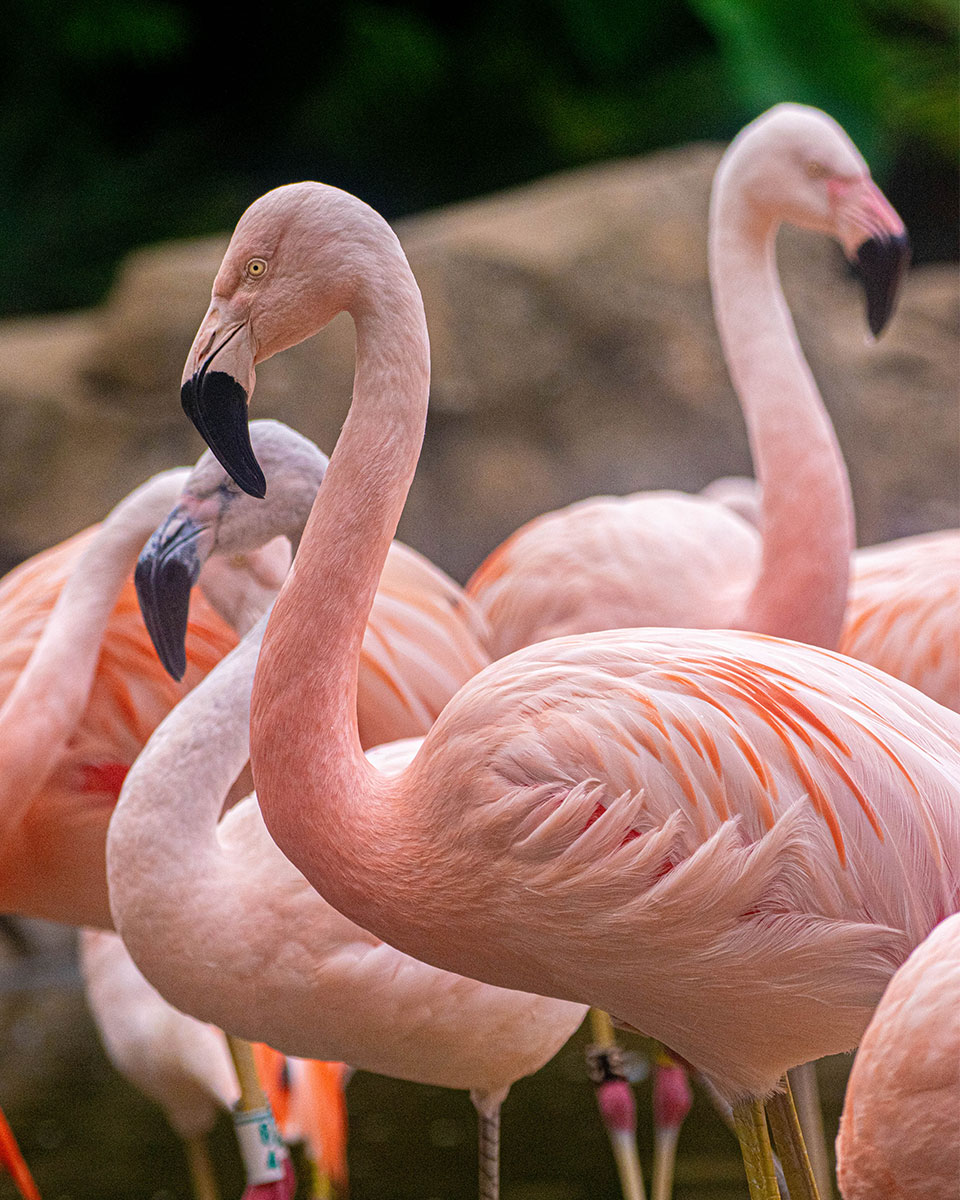
- The significance of Spring Break at the Houston Zoo
- Transportation options for convenient access
- Wildlife conservation efforts at the zoo
- Educational programs and activities available during Spring Break
- What to expect during your visit
Spring Break at the Houston Zoo represents a peak period of activity and excitement, attracting families and wildlife enthusiasts. This annual event not only energizes the community but also highlights the importance of wildlife conservation. The rich array of events and activities captivates visitors while providing vital educational experiences.
One driving force behind the bustling activity during Spring Break is the chance for families to interact with diverse animal species. Each year, thousands of guests flock to the zoo to enjoy the various exhibits, which feature both native and exotic animals. Several species offer captivating experiences, such as Asian elephants, African lions, and playful sea otters, making it a prime location for learning and engagement. Children and adults alike can deepen their understanding of these animals’ habitats, diets, and behaviors, fostering a greater appreciation for wildlife.
Transportation remains a key aspect to consider when planning your visit to the Houston Zoo during Spring Break. Unlike many other attractions, the zoo does not possess its own parking lot. This can be a point of concern, especially during peak seasons. However, free parking options are available throughout Hermann Park, where the zoo is located. It’s essential to arrive early as these lots can fill quickly on busy days.
For those who prefer not to drive, the METRORail’s Red Line offers a viable alternative. By exiting at either Hermann Park/Rice U or Memorial Hermann Hospital/Houston Zoo, visitors can avoid potential traffic woes. The pleasant stroll through Hermann Park adds to the overall experience and allows guests to savor the beautiful Texas landscape leading up to the zoo entrance.
The zoo is committed to wildlife conservation efforts. Its participation in various field programs and partnerships highlights the key role it plays in preserving endangered species. Projects often focus on habitat restoration and species recovery, with initiatives aimed at both local and international wildlife. The zoo’s programs not only raise awareness but also directly contribute to conservation activities.
Moreover, the educational programs during Spring Break serve as a vital connection between visitors and wildlife. The Houston Zoo offers guided tours, interactive sessions, and live demonstrations throughout the day. These activities are structured to engage participants of all ages, and they focus on the behaviors, physiology, and ecology of the animals present in the zoo. By participating in these programs, the public can gain hands-on experience, further enhancing their understanding of animal care and conservation.
As guests navigate the zoo’s expansive grounds, they will encounter various thematic zones, each depicting specific habitats and ecosystems. From the lush forested areas that mimic a rainforest environment to arid desert conditions, every installation is designed to reflect the natural settings of the animals. This not only enriches the visitor experience but also emphasizes the need for habitat conservation in the wild.
Additionally, the Houston Zoo hosts special events during Spring Break that add to the festive atmosphere. Activities often include animal encounters, keeper talks, and crafts specifically designed for children. During this time, a strong emphasis is placed on environmental education, making the zoo a strong advocate for responsible stewardship of the planet.
Visitors can expect to see various animals engaged in lively behavior during their Spring Break visit. Feeding times and enrichment activities are favorites among patrons, offering an opportunity to observe how the animals interact with their environment. Many species participate in enrichment activities that stimulate their instincts, allowing for displays of natural behavior, which can be both entertaining and educational.
Planning your trip in advance can significantly enhance the overall experience. With careful consideration of the zoo’s layout and the schedule of events, visitors can maximize their time spent with the animals. The zoo also provides resources online to assist in mapping out the visit, including a calendar of activities and interactive maps that guide guests through the expansive grounds.
Furthermore, being aware of weather conditions is crucial when visiting the zoo during Spring Break. The Texas weather can fluctuate, so it’s advisable to prepare for various conditions. Hydration, sun protection, and comfortable footwear are important considerations to ensure a pleasant day of exploration.
The Houston Zoo also prioritizes its role in the broader scope of wildlife conservation. Many species today face challenges due to habitat loss, climate change, and poaching. By visiting the zoo, patrons not only enjoy a fun day out but also contribute to ongoing conservation initiatives. A portion of the admission fees supports these key projects, which play a significant role in wildlife preservation.
The importance of community involvement cannot be understated. Many of the conservation efforts rely on collaboration between local organizations, universities, and international wildlife agencies. The Houston Zoo frequently collaborates with these partners to improve conservation impact. As a leading institution, it sets a standard for excellence in wildlife management and conservation strategies.
Houston has a vibrant community that values education, which enhances the zoo’s role as an educational hub. School groups and families often take advantage of the zoo’s resources, and advanced booking is encouraged to secure educational programming that can enrich students’ understanding of environmental science and biology.
As visitors explore the zoo during Spring Break, they may come across interactive elements designed specifically for children. These installations are not only fun but serve to educate young minds about ecosystems and animal adaptations. By fostering early interest in wildlife, the zoo plays a vital role in encouraging future conservationists.
Additionally, the diversity of animal species at the Houston Zoo allows for a distinctive and not-to-be-missed experience. Each animal has specific adaptations that make it well-suited to its environment. Understandably, the zoo works diligently to simulate these habitats as closely as possible, which further illustrates the interdependent relationships present in nature.
In summary, Spring Break at the Houston Zoo is not just a time of high attendance; it is a unique opportunity for educational engagement and active participation in wildlife conservation. The combination of vibrant animal exhibits, engaging educational programming, and convenient transportation means that visitors can focus on what truly matters: observing and learning about incredible animals while contributing to worthwhile conservation efforts. By planning ahead and utilizing available resources, visitors can make their experience both enjoyable and meaningful.
*****
Source Description
Spring Break is one of the busiest — and most exciting — times at the Houston Zoo and around Hermann Park 🦩 Let’s make getting here the easiest part of your day.
🅿️ The Zoo does not have its own parking lot. Free parking is available throughout Hermann Park, but lots can fill quickly on busy days.
🚗 Weekend parking is just $12 at 6400 Fannin, with additional paid options around Hermann Park and the Texas Medical Center.
🚆 Skip the traffic and hop on METRORail’s Red Line, exit at Hermann Park/Rice U or Memorial Hermann Hospital/Houston Zoo, and enjoy a short walk through Hermann Park before you arrive.
Plan your visit now so you can spend more time face to face with incredible animals—not searching for a parking spot. Learn more and map out your trip at our link in bio.
