
- Understanding Harbor Seals: Biology and Behavior
- The Mechanics of Galumphing: Movement in Marine Mammals
- Preservation and Conservation: The Role of Aquatheater Shows
- Interactions Between Harbor Seals and Their Environments
- The Importance of Education and Awareness in Marine Conservation
Harbor seals (Phoca vitulina) are fascinating marine mammals that inhabit coastal areas across the Northern Hemisphere. They are known for their distinct spotted coats and remarkable adaptability to various marine environments. Understanding their biology and behavior is essential for effective conservation efforts and improving public awareness about marine habitats.
Harbor seals typically measure between 5 to 6 feet in length and can weigh anywhere from 200 to 300 pounds. Their bodies are streamlined, which aids in swimming. Unlike sea lions, who are equipped to walk on land using their flippers, harbor seals possess a more distinct method for terrestrial mobility. Their movement is characterized by a unique technique known as galumphing. This method involves using rhythmic contractions in their stomach muscles to push their bodies forward. While it may seem clumsy, this adaptation allows harbor seals to efficiently navigate the beach and rocky shorelines where they haul out to rest.
During spring break, visitors can witness these captivating creatures in action as they participate in Aquatheater shows. These presentations aim to educate the public about the behaviors and challenges harbor seals face. The shows feature a resident harbor seal named Pickles, who showcases a variety of skills and interacts with trainers. Such demonstrations highlight the intelligence and social nature of harbor seals, offering audiences a close-up view of their daily lives.
The mechanics of galumphing deserve special mention. While sea lions utilize their front flippers to walk, harbor seals rely heavily on their body weight and muscular contractions. By pushing against the ground and using their bellies, they effectively move from one point to another. This adaptation is crucial for them, especially when they need to haul out onto land for resting, breeding, or avoiding predators. Observing this locomotion style provides an understanding of the anatomical differences between the two species, as well as the evolutionary adaptations that have shaped their movements.
Conservation is paramount when discussing harbor seals and their habitats. Many marine mammals, including harbor seals, face threats from pollution, habitat loss, and climate change. Organizations dedicated to their preservation work tirelessly to safeguard these species through education, research, and active conservation programs. The Aquatheater serves as an essential platform for spreading awareness about these issues.
Through engaging shows, the Aquatheater demonstrates the importance of taking action to protect marine environments. Educating audiences about the life cycle of harbor seals, their feeding habits, and the threats they face fosters a sense of responsibility toward marine conservation. Visitors leave the show equipped with knowledge that can initiate discussions and inspire action in their communities.
Interactions between harbor seals and their ecosystems are complex and vital for maintaining biodiversity. These marine mammals play a significant role in the food web, influencing the populations of fish and invertebrate species. By consuming a variety of fish, including herring and sand lance, they contribute to the ecological balance within their environments. Furthermore, their presence signals the health of marine ecosystems. An abundance of harbor seals often indicates a robust marine environment, highlighting the need to monitor their populations as indicators of ecological well-being.
The relationship between harbor seals and humans is another crucial aspect to explore. These seals often come into contact with recreational activities, fishing industries, and coastal development. This interaction can sometimes lead to tensions, especially when human activities encroach on seal habitats. Fishermen may view harbor seals as competitors for fish, leading to challenges in coexistence. Education becomes vital in these instances. By understanding how to coexist with harbor seals, communities can develop sustainable practices that protect these animals while allowing human activities to continue.
In promoting public engagement, Aquatheater shows accomplish educational goals by connecting people to the natural world. They serve as a bridge between wildlife and the general public, allowing attendees to appreciate the significance of marine ecosystems. It becomes clear how each species contributes to the ecological balance, fostering a greater commitment to conservation initiatives.
In summary, harbor seals represent more than just an interesting exhibit in the Aquatheater. They are vital components of marine ecosystems and valuable indicators of environmental health. Observing Pickles galumphing across the stage not only entertains but educates visitors about the remarkable adaptations of harbor seals. Understanding their biology, behavior, and interactions with humans and habitats provides a comprehensive picture of their role in marine conservation.
By investing time and resources into education and awareness initiatives, such as those offered at the Aquatheater, both individuals and organizations can take meaningful steps toward protecting harbor seals and the marine environments they inhabit. The interplay between knowledge, conservation, and public engagement ultimately enriches the overall mission to safeguard these animals for future generations. To truly appreciate the lives of harbor seals, it is essential to actively participate in their protection through informed decision-making and community involvement.
*****
Source Description
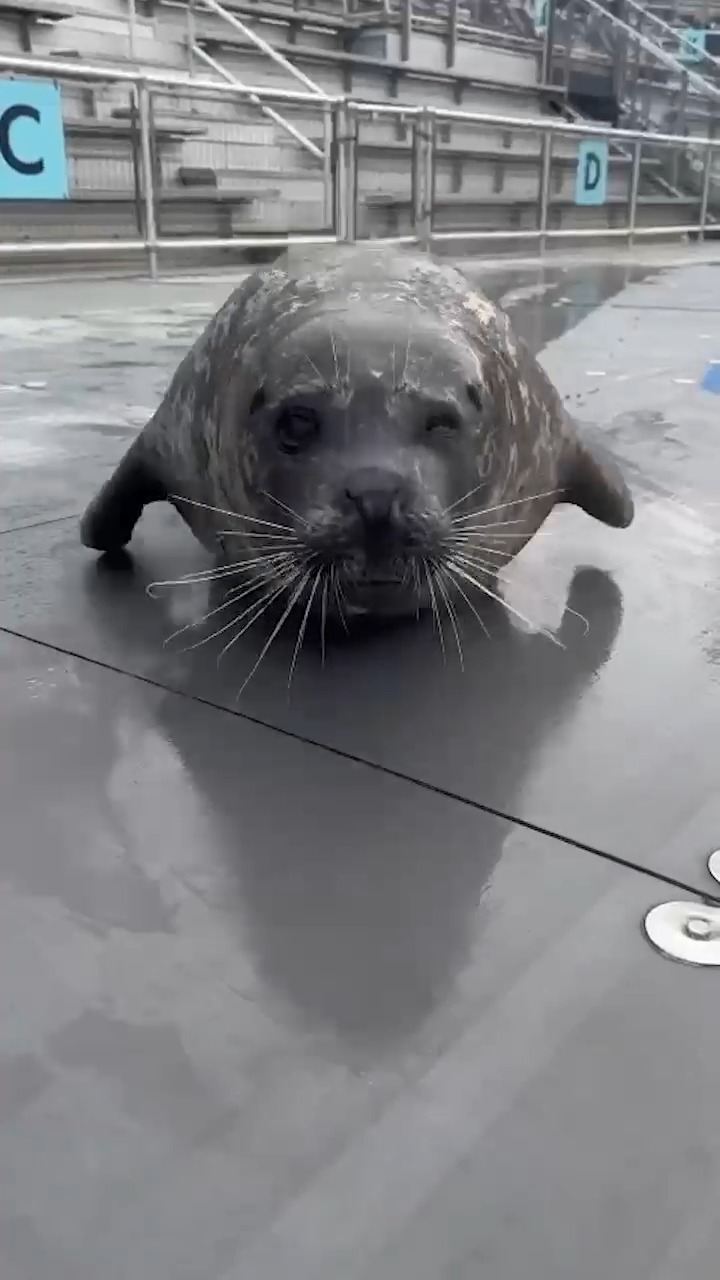
In this video, you can see our resident harbor seal, Pickles, galumphing on the ground toward a target in the Aquatheater.
Unlike sea lions, who can use their flippers to walk, harbor seals are strictly “belly-movers” on land. They use a rhythmic stomach scrunch known as galumphing to get from point A to point B. It might not look as fancy as a sea lion’s stroll, but it gets the job done!
This spring break, come learn more about these fascinating marine mammals during an Aquatheater show!
🎥: Keeper Sarah R
