
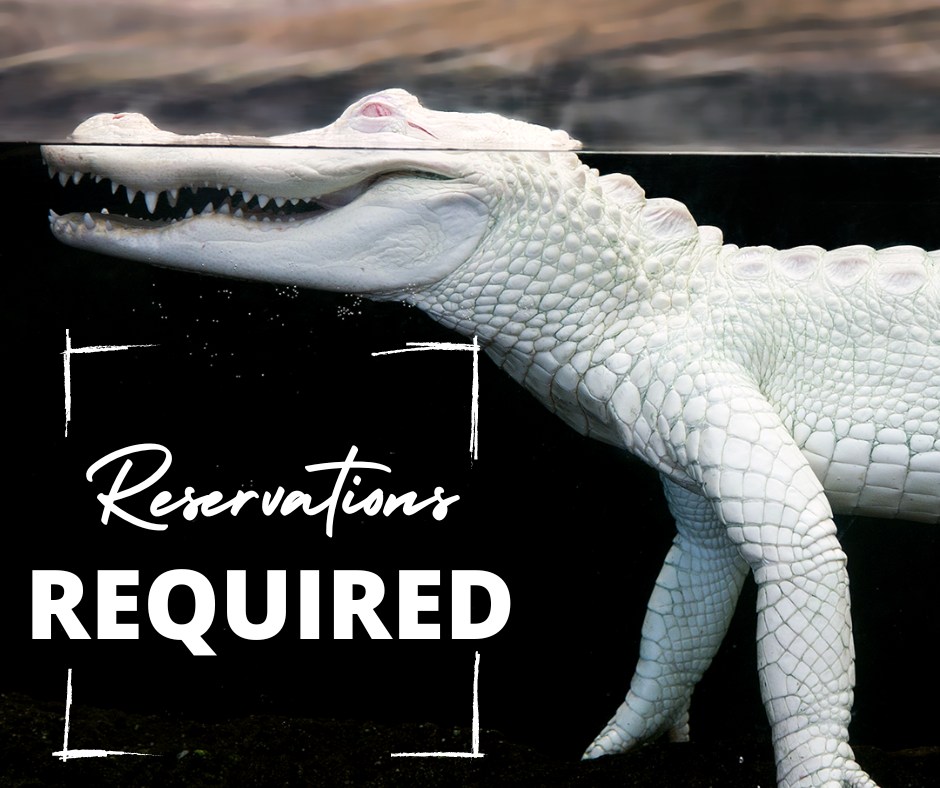
- Planning your visit with advance reservations
- Understanding the variety of exhibits
- Learning about marine life and conservation efforts
- Preparing for your trip: what to bring and expect
- Tips for maximizing your aquarium experience
Planning a trip to the aquarium requires some foresight and preparation. First and foremost, reservations are mandatory. This system uses timed ticketing, which helps to control the number of visitors at any given time. By securing your spot in advance, you can make sure your visit unfolds smoothly. To reserve your ticket, visit ncaquariums.com/tickets-ff.
Different aquariums showcase a variety of marine and aquatic life, from dazzling exhibits of brightly colored fish to awe-inspiring displays of sea turtles and sharks. The organization of these exhibits is often designed around specific habitats or themes, such as coral reefs or deep-sea environments. Knowing what to expect before you go can enhance your overall experience. Before packing your bags, consider the species you’d like to see or learn more about, as this can inform your itinerary and the exhibits you prioritize.
The educational aspect of your trip is significant. Aquariums serve not just as entertainment venues but also as important centers for marine research and conservation. Many aquariums are engaged in breeding programs that help sustain endangered species. They often participate in efforts to educate the public about the importance of ocean conservation and the threats faced by marine habitats from climate change, pollution, and overfishing. With presentations and informative displays, your knowledge of marine ecology can expand significantly during your visit.
Preparation can further elevate your experience. Think ahead about what you need to bring. Comfortable shoes are essential, as you will likely be walking for a while. Many aquariums encourage visitors to explore at their own pace. This means you may want to wear weather-appropriate clothing, particularly if there are outdoor exhibits. Bringing a reusable water bottle is also a smart choice, as hydration is key during an active day spent observing aquatic wonders.
To maximize your aquarium experience, consider planning your visit during off-peak hours. Early mornings or weekdays tend to be less crowded, which allows for a more relaxed atmosphere. Take advantage of educational programs that may be available during your visit. Many aquariums offer talks by marine biologists, feeding demonstrations, or interactive displays that can deepen your understanding of the aquatic life showcased.
Advanced reservations represent just one aspect of effective trip planning. They set the foundation for a successful visit, especially given the time-sensitive nature of timed ticketing. When you reserve your spot in advance, you gain peace of mind and can focus more on your experience. Moreover, confirming your tickets early allows you to secure the best time slots, which is particularly helpful if you are visiting with a group or during a busy season.
The variety of exhibits is a significant part of what draws visitors to the aquarium. Each exhibit typically focuses on a different habitat and showcases the diverse species that inhabit these environments. From vibrant coral reefs buzzing with life to serene jellyfish displays, there’s a rich array of marine life to explore. Understanding the thematic structure of the exhibits can make your visit more engaging.
Common habitats found in many aquariums include tropical seas, temperate coastal waters, and even arctic zones. Each section serves as a microcosm of the larger ocean ecosystem, providing insight into the unique conditions that support various forms of marine life. For example, tropical exhibits may showcase the importance of coral reefs, which are critical for maintaining biodiversity. These displays often emphasize the delicate balance required to sustain coral health, especially in the face of rising ocean temperatures.
In addition to looking at the animals, many aquariums have interpretive programming that provides deeper insights into conservation issues. For instance, a presentation on the impact of plastic pollution may be tied to the specific marine animals on display. Learning about the challenges these species face can foster a sense of responsibility and motivation to make environmentally conscious choices.
When preparing for your aquarium visit, it’s beneficial to think about the types of activities you want to engage in. Many facilities offer interactive experiences, such as stingray petting or touch tanks filled with various invertebrates. These opportunities allow for learning through direct interaction, fostering a connection between visitors and the marine species.
Bringing children along can significantly enhance the experience, as many aquariums offer family-friendly activities. Engaging younger visitors in conversations about marine life can lead to greater interest in environmental stewardship. Educational materials, such as scavenger hunt lists or guided tour booklets, can make the experience more enjoyable and informative for families.
Expect to see various signage and interactive displays throughout the aquarium. These resources often include detailed information about species’ habitats, diets, and behaviors. Photographs and videos may also be used to highlight the animals in their natural environments. Engaging with these educational materials can not only increase retention of information but also ignite a lasting interest in aquatic ecosystems.
As you plan your trip, try to keep an eye out for seasonal events or special exhibitions that may be occurring during your visit. Many aquariums have unique displays that rotate throughout the year. Participating in these limited-time exhibits can provide exclusive insights into rare species or features, making your outing even more memorable.
Remember that your aquarium visit can contribute to larger conservation efforts. Many facilities pool resources to support marine conservation initiatives. They engage in research, rescue efforts, and education aimed at preserving aquatic ecosystems for future generations. Knowing that your participation helps fund these programs can add a deeper significance to your visit.
Planning a trip to the aquarium should also include considerations for your duration of stay. Determine how much time you will need to explore the different exhibits. Depending on the size and layout of the aquarium, some visitors may require several hours to fully engage with all the displays. If possible, schedule breaks throughout your visit; this will help to keep your energy levels high and allow for a more enjoyable experience.
When attending a timed session, remember that the aquarium environment can be dynamic; animal behaviors and interactions can change throughout the day. Observing feeding times or special demonstrations can also provide spectacular insights into the lives of aquatic animals. Staying flexible in your planning will help you make the most of unexpected opportunities.
Lastly, fostering a respect for marine life should be a takeaway from your aquarium visit. Whether you’re captivated by a majestic sea turtle or astonished by a school of shimmering fish, appreciating the beauty of the ocean can inspire advocacy for marine conservation. Reflect on how individual actions can contribute to ocean health. Simple steps, such as reducing plastic consumption or supporting local conservation efforts, can create positive impacts.
With thorough planning, your trip to the aquarium can become an enriching experience. Reserving your tickets in advance, understanding the kinds of exhibits available, embracing learning opportunities, and preparing adequately are all crucial elements for a successful outing. Using this knowledge, you can forge a deeper connection to the marine world, laying the foundation for responsible stewardship of our oceans.
By immersing yourself in this vibrant aquatic environment, you will leave not only with memorable experiences but also with a renewed commitment to protecting the myriad forms of life that thrive beneath the waves. This interaction serves as a reminder of our responsibility to conserve marine habitats for the benefit of both humans and wildlife alike.
*****
Source Description
🐠🐊 Planning a trip to the Aquarium? Don’t forget—reservations are required! We use timed ticketing to make sure your visit is everything you’d hoped for and more! 🌊💙
Secure your spot today 👉 ncaquariums.com/tickets-ff
