
- North Carolina’s diverse ecosystems and habitats.
- Iconic species indigenous to North Carolina.
- The importance of wildlife conservation in the state.
- Educational initiatives and resources for wildlife appreciation.
- Opportunities for engagement and interaction with local wildlife.
North Carolina is a treasure trove of biological diversity, offering a wide variety of environments ranging from mountains to coastal beaches. The state’s topography includes the Appalachian Mountains in the west and the Atlantic Ocean in the east, making it home to numerous species of animals adapted to these distinct settings. This article highlights key aspects of North Carolina’s wildlife, focusing on the importance of conservation efforts and educational initiatives.
One of the most striking features of North Carolina’s ecosystems is the diversity of habitats they encompass. Within the state, you can find deciduous forests, coastal wetlands, grasslands, and unique rock formations. Each of these habitats hosts a distinct array of species, showcasing the biological richness of the area. For instance, the Great Smoky Mountains provide habitats for over 300 species of birds, while the Outer Banks are essential for migratory shorebirds.
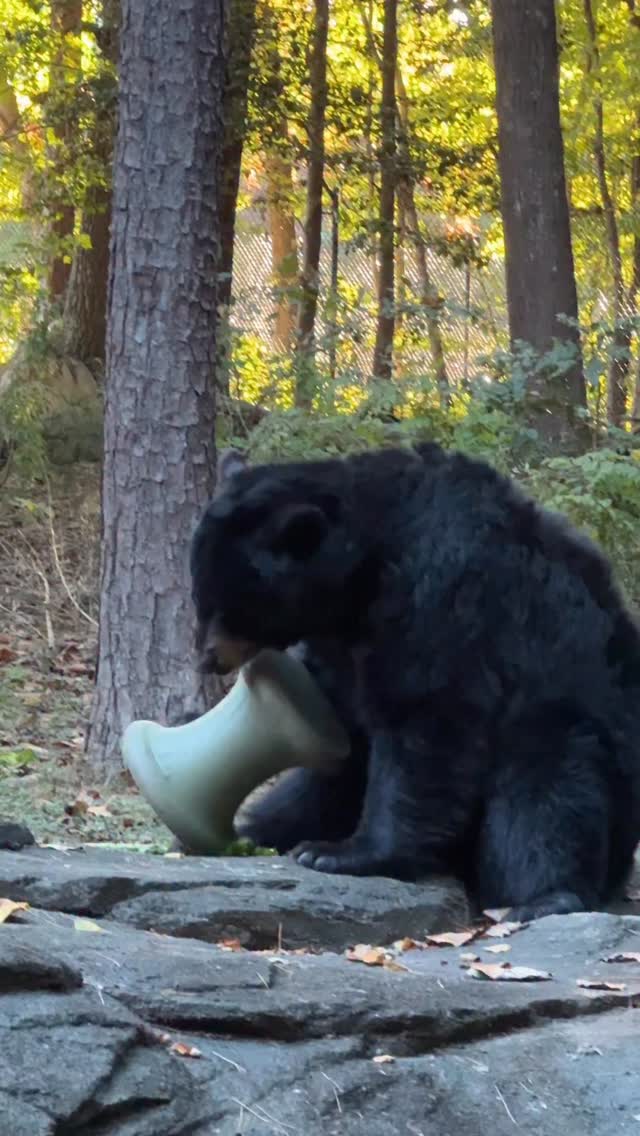
Among the standout species within North Carolina is the Black Bear (Ursus americanus). This bear is not just a state symbol but also represents a success story in wildlife management. Once facing significant population declines due to habitat destruction and hunting, conservation efforts have helped establish a stable population. The Black Bear can be found in various forested areas throughout the state, primarily in the western regions. They play a vital role in the ecosystem by helping to disperse seeds and manage plant populations.
Additionally, North Carolina is renowned for its mesmerizing amphibian life. The Coastal Plain is home to the Eastern Tiger Salamander (Ambystoma tigrinum melanostictum), a subspecies that occurs primarily in the wetlands of the region. Salamanders are crucial in maintaining ecological balance as they control insect populations and serve as indicators of environmental health. Unfortunately, habitat loss and pollution threaten their populations, emphasizing the need for strong conservation measures.
North Carolina is also home to the Red-cockaded Woodpecker (Picoides borealis), a federally endangered species. This bird depends on mature pine forests for nesting, with a particular affinity for longleaf pine ecosystems. Habitat management practices, including prescribed burns, promote the health of these forests and support not only the woodpecker population but also a variety of other species that share this habitat.
The importance of wildlife conservation in North Carolina cannot be overstated. Many species face threats from urban development, pollution, and climate change. Conservation programs aim to mitigate these threats by restoring habitats and promoting sustainable land use practices. Organizations such as the North Carolina Wildlife Resources Commission work diligently to protect vulnerable species and their ecosystems. Education is an essential tool in these efforts, as public awareness can drive action and support for vital conservation initiatives.
To foster a deeper appreciation for local wildlife, North Carolina offers an array of educational resources. Various programs aimed at schools and communities engage participants in hands-on learning about local ecosystems. The North Carolina Museum of Natural Sciences, for instance, provides interactive exhibits and workshops focusing on the state’s biodiversity. Such initiatives help cultivate a sense of stewardship and responsibility towards preserving natural habitats.
Engagement with wildlife is another avenue through which residents can connect with the animal kingdom. Many state parks and nature reserves offer opportunities for birdwatching, hiking, and guided tours. These activities allow individuals and families to observe wildlife in their natural habitats, fostering an understanding of animal behavior and ecosystems. For example, the Blue Ridge Parkway offers stunning vistas and diverse habitats, where visitors can spot everything from deer and birds to the occasional Black Bear.
Additionally, local wildlife refuges, such as the Alligator River National Wildlife Refuge, provide sanctuary for numerous species, including American alligators and a variety of migratory birds. Such spaces are invaluable for both wildlife and people. They serve as critical areas for research and conservation while offering educational opportunities for visitors.
Wildlife photography has also gained popularity, enabling individuals to document and share their experiences. Capturing images of native species not only fosters personal engagement but also spreads awareness of the region’s biodiversity. Many photographers participate in local contests or exhibitions, further promoting conservation messages.
The state’s climate contributes significantly to its wildlife diversity. North Carolina experiences moderate temperatures and ample rainfall, creating favorable conditions for a variety of species. From the coastal plains influenced by the Atlantic Ocean to the cooler, mountainous regions, the state provides a mosaic of habitats that attract both resident and migratory species. The migration patterns of birds, particularly along the Atlantic Flyway, highlight the importance of these wetlands and shorelines for conservation efforts.
The role of wildlife corridors in maintaining biodiversity cannot be overlooked. These corridors facilitate animal movement between fragmented habitats, enhancing genetic diversity and resilience. Projects aimed at creating and preserving these corridors are critical in ensuring the survival of various species, particularly in areas affected by human development. Education on the importance of these corridors can inspire community support for related initiatives.
Each species in North Carolina plays a role in maintaining ecological balance. Understanding food webs and animal interactions provides insights into the intricate relationships among various organisms. For instance, the presence of predators like the Eastern Fox Squirrel (Sciurus niger) can control rodent populations, while scavengers like vultures contribute to ecosystem health by consuming carrion. Recognizing these connections helps highlight the need for protecting these animals and their habitats.
Opportunities for citizen science abound within North Carolina. Programs encouraging individuals to report bird sightings, monitor frog populations, or participate in clean-up efforts not only aid research but also foster a sense of community and shared purpose. Engaging local communities in wildlife monitoring can enhance conservation efforts while promoting environmental stewardship.
Furthermore, collaboration among scientists, local governments, and community organizations is pivotal in addressing conservation challenges. Integrated approaches to land use and habitat restoration ensure that diverse stakeholders work together to protect North Carolina’s wildlife. Encouraging agencies to share resources and information can lead to more effective conservation strategies that benefit both wildlife and residents.
The excitement of discovering which animals inhabit their surroundings can inspire individuals to become advocates for conservation. By highlighting local species, residents can take pride in their natural heritage and work collectively to foster environments where wildlife can flourish. Sharing experiences in the comments or local forums creates a sense of camaraderie and shared passion for wildlife in North Carolina.
Ultimately, the future of North Carolina’s wildlife hinges on the awareness and actions of its residents. As people become more informed about their local ecosystems and the challenges species face, they’re better equipped to participate in advocacy and conservation. By educating themselves and sharing their insights, they contribute to a culture that values biodiversity and promotes sustainable practices.
Engagement with wildlife is essential not just for enjoyment but for the benefit of ecosystems. Each visit to a natural area, each documented species, each shared story contributes to the ongoing narrative of conservation in North Carolina. As enthusiasts share their experiences and discoveries, they amplify the collective voice calling for action and preservation.
North Carolina’s wildlife embodies the state’s rich natural heritage, offering countless opportunities for exploration and education. The diversity of species, from the Black Bear to the Eastern Tiger Salamander, underscores the importance of active conservation efforts. Establishing connections within communities can enhance awareness and inspire proactive measures to protect the state’s rich biodiversity. Engaging with wildlife not only informs residents about their environment but also fosters a sense of responsibility toward preserving these invaluable resources for future generations.
*****
Source Description
Which animal did you get? Share in the comments below ⬇️✨
It’s and we wanted to highlight some of the species that call North Carolina home! From Black bears to salamanders, NC is home to a remarkable array of animals. The state’s unique climate and diverse habitats create a special environment for wildlife to thrive. From mountains to beaches, North Carolina truly has it all! 💚
