
- Importance of weather updates for zoo management and visitor safety
- Impact of inclement weather on animal care and zoo operations
- Strategies for managing wildlife during extreme weather
- Community engagement and educational opportunities during closures
- The role of zoos in conservation and public awareness
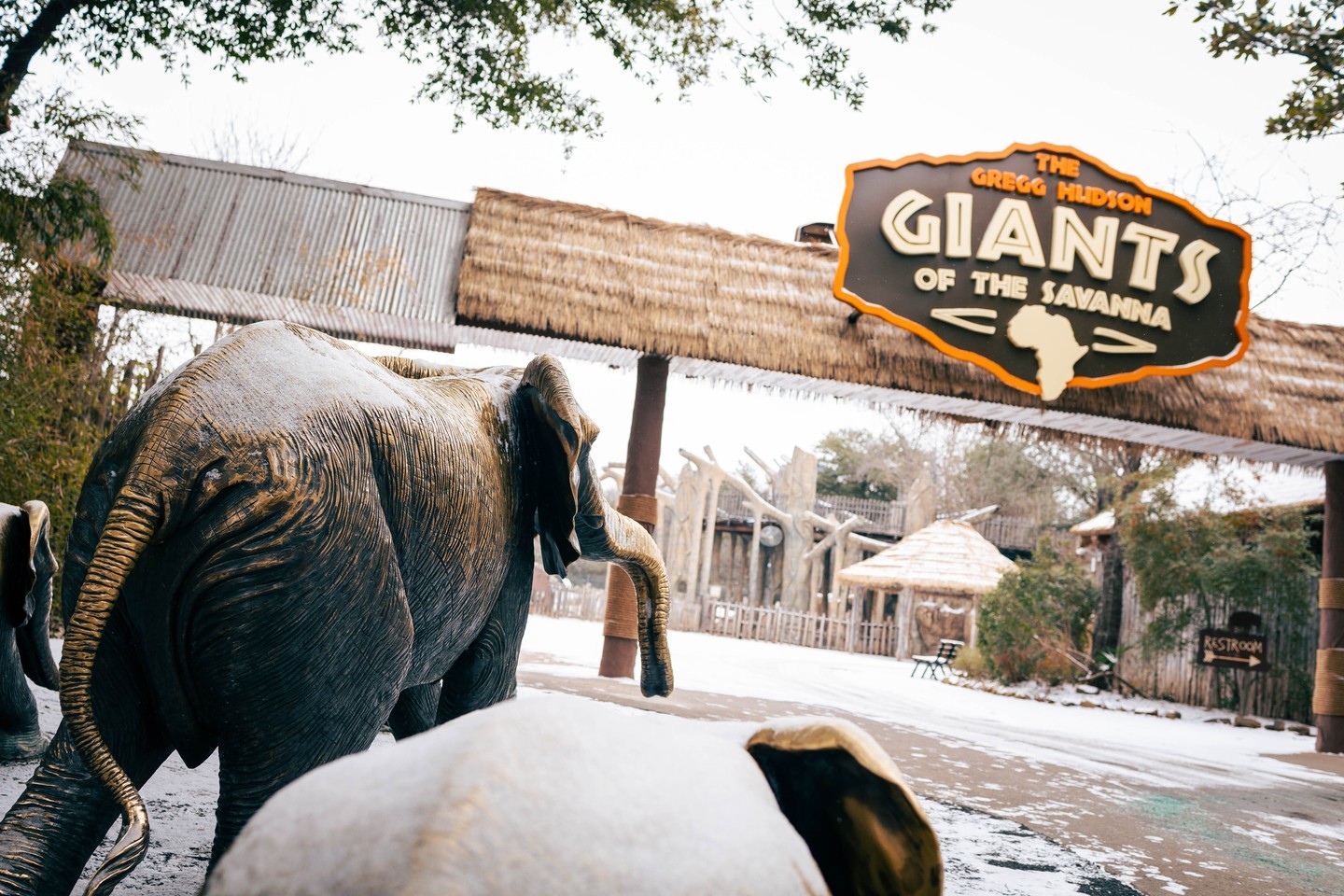
Weather updates serve a crucial function in the management of zoos, particularly during harsh winter conditions. Closing the zoo due to snow and icy forecasts protects visitors and staff from hazardous travel and accidents. Additionally, it allows zoo management to address logistical challenges associated with the weather. The decision to remain closed on January 10 due to ongoing icy conditions reflects a commitment to safety, demonstrating that animal welfare and public security are prioritized.
Snow and ice can significantly affect zoo operations. Many animals, especially those not adapted to cold climates, require specific habitats and care that can be disrupted by adverse weather. For example, certain species, like tropical birds and reptiles, may face health risks if temperatures drop too low. Zoo staff must ensure the animals are kept in environments that mimic their native habitats as closely as possible, which can become more challenging with fluctuating weather. This can result in necessary changes to daily routines and animal care schedules.
To manage wildlife under extreme weather conditions, zoos implement several strategies. Enclosures may be modified to provide shelter and warmth. For instance, heat lamps and extra bedding can help keep vulnerable species comfortable. Additionally, staff monitor animal health more closely during such conditions, conducting regular checks and adjusting diets and care as needed. Nutrition can be particularly important, as some species may have increased caloric needs in colder weather.
Managing public engagement while the zoo is closed is another critical aspect of operations. Zoos often leverage these closures to boost online educational content, sharing insights about animal care, environmental stewardship, and conservation initiatives via social media and digital platforms. Interactive videos or live streams of animals in their habitats can help maintain interest and educational opportunities for the community during closures, turning a temporary setback into a teaching moment.
The role of zoos extends beyond entertainment; they are also fundamental in conservation efforts. When operations are paused due to weather, staff can focus on organizational activities that promote long-term wildlife preservation. This time can be utilized for strategic planning or community outreach programs designed to raise awareness about endangered species and habitat preservation. Many zoos participate in global conservation initiatives, working to safeguard species that face threats from climate change, habitat loss, and human activities.
Collectively, these factors highlight the interconnectedness of weather conditions and zoo operations. Ongoing weather updates, like the closure communicated for January 10, represent a critical fixture of zoo management. Keeping both animals and people safe is paramount. As weather events become more unpredictable, zoos must stay hyper-focused on animal welfare while also balancing public engagement initiatives. By doing so, they create a safer environment while fostering a deeper understanding of wildlife and conservation among their visitors.
Through a well-strategized approach to extreme weather, zoos continue to play a vital role in education and conservation.
*****
Source Description
WEATHER UPDATE: Due to ongoing snow and icy conditions in the forecast, the Zoo will remain CLOSED tomorrow, January 10. We’ll keep you updated on our operations for Saturday, but for now — we hope everyone stays safe and warm!
