
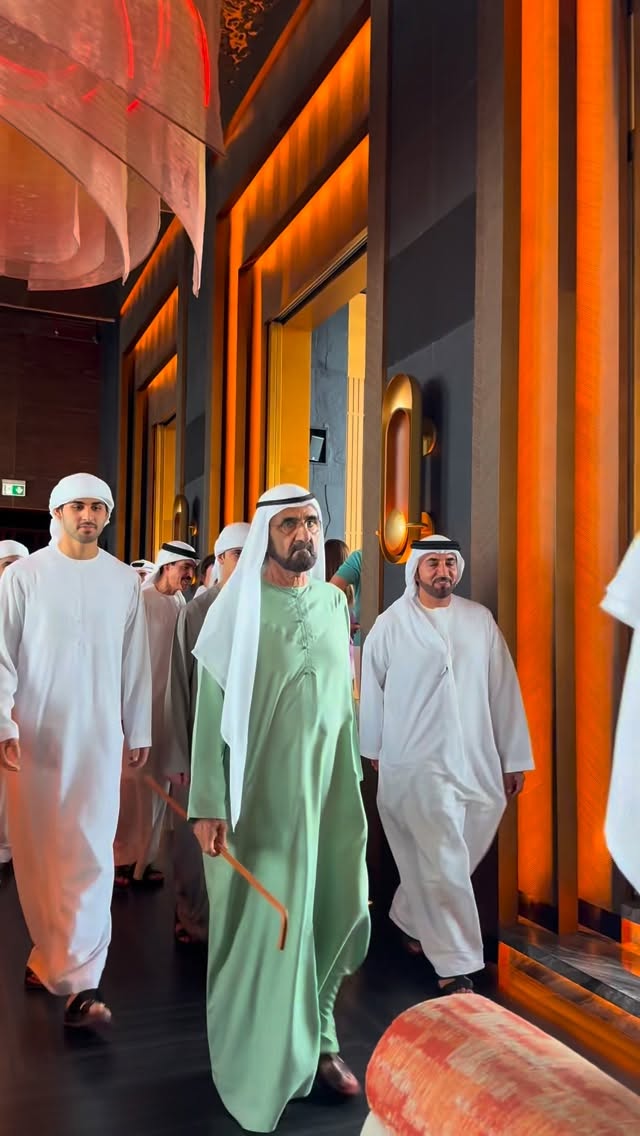
- The significance of His Highness Sheikh Mohammed bin Rashid Al Maktoum’s presence in Dubai.
- The impact of leadership on conservation efforts and zoo management.
- The role of zoos in wildlife conservation and education.
- The relationship between the community and its wildlife facilities.
- Future directions and initiatives in wildlife stewardship in Dubai.
His Highness Sheikh Mohammed bin Rashid Al Maktoum’s return to Dubai is far more than a ceremonial occasion; it serves as a pivotal moment showcasing strong leadership in the environmental and conservation landscape of the region. Known for his progressive vision, Sheikh Mohammed emphasizes the importance of sustainable development in conjunction with economic growth. His leadership has directly influenced various fields, including wildlife conservation, creating a positive ripple effect that benefits both inhabitants and visitors alike.
Leadership in environmental issues requires vision, commitment, and collaboration. Sheikh Mohammed’s initiatives often highlight the necessity for institutional frameworks that promote biodiversity, facilitate habitat restoration, and establish responsible wildlife management practices. In recent years, his government has implemented policies that emphasize eco-tourism, which balances the need for economic development with the preservation of natural ecosystems. This dual focus not only enhances global visibility for Dubai but also asserts its role as a critical player in the global biodiversity conversation.
Zoos serve as a cornerstone for wildlife conservation efforts and play an essential role in preserving endangered species. They act as educational hubs, bringing people closer to wildlife they might never otherwise encounter. Visitors can learn about the importance of animal habitats, migratory patterns, and the threats posed by climate change and habitat loss. This educational aspect of zoos fosters a deeper understanding of why conservation should matter to everyone.
Moreover, the connection between the community and its wildlife facilities is a crucial component of successful conservation efforts. Zoos serve as educational platforms, raising awareness about the importance of biodiversity. Community programs that engage local residents in conservation activities create a sense of ownership and pride in their natural environment. Initiatives like volunteer programs and wildlife workshops can motivate people to actively participate in protecting local ecosystems. This community involvement can yield significant benefits, as it encourages a collective responsibility for wildlife preservation.
In the context of Dubai, there has been a push for innovative programs geared towards wildlife conservation. Local initiatives may focus on the protection of native species, such as the Arabian Oryx, which was once declared extinct in the wild but has made a remarkable comeback thanks to targeted conservation efforts. By utilizing zoos as breeding and rehabilitation centers, species conservation programs can be developed to ensure the long-term survival and health of these animals. Partnerships with academic institutions and wildlife organizations can bolster these initiatives, providing the necessary research and resources to enhance conservation strategies.
Looking forward, the future of wildlife stewardship in Dubai rests on continued innovation and collaboration. Creating habitats that mimic natural environments and incorporating these principles into zoo management can lead to more successful breeding programs and health metrics for various species. Zoo facilities may adopt advanced technology for animal health monitoring and management, ensuring that animal welfare is at the forefront of all operations.
As the world grapples with climate change and its impacts on biodiversity, Dubai has an opportunity to become a leading example in addressing these challenges through effective zoo management and wildlife conservation practices. By leveraging its unique position as an international hub, Dubai can facilitate global conversations on sustainability and conservation, drawing in stakeholders and experts from various fields to share best practices and innovative solutions.
Ultimately, it is crucial to recognize that wildlife conservation is not merely the responsibility of zoos and governmental organizations. Public engagement is essential. Community education, research, and hands-on programs can mobilize support for conservation efforts. The future health of the planet depends on collective actions aimed at preserving wildlife and ensuring sustainable environments for future generations.
The return of His Highness Sheikh Mohammed bin Rashid Al Maktoum to Dubai represents more than an appearance; it signals a commitment to advancing conservation efforts and promoting public awareness about the importance of wildlife preservation. Through effective leadership, community engagement, and innovative strategies in zoo management, the foundation is being laid for a sustainable future where wildlife can thrive alongside human development. Each person’s contribution, no matter how small, can create waves of change in the world of conservation and stewardship.
By fostering an environment where wildlife conservation and educational outreach coexist, future generations will inherit more than a balanced ecosystem; they will receive a legacy of care for the planet. The significance of poising cities like Dubai as leaders in this endeavor cannot be overstated. Through the initiatives championed by His Highness and supportive policies, Dubai is carving out a path in wildlife conservation that can serve as a model for cities around the globe.
*****
Source Description
A pleasure to welcome back His Highness Sheikh Mohammed bin Rashid Al Maktoum to @nobudubai today.
