
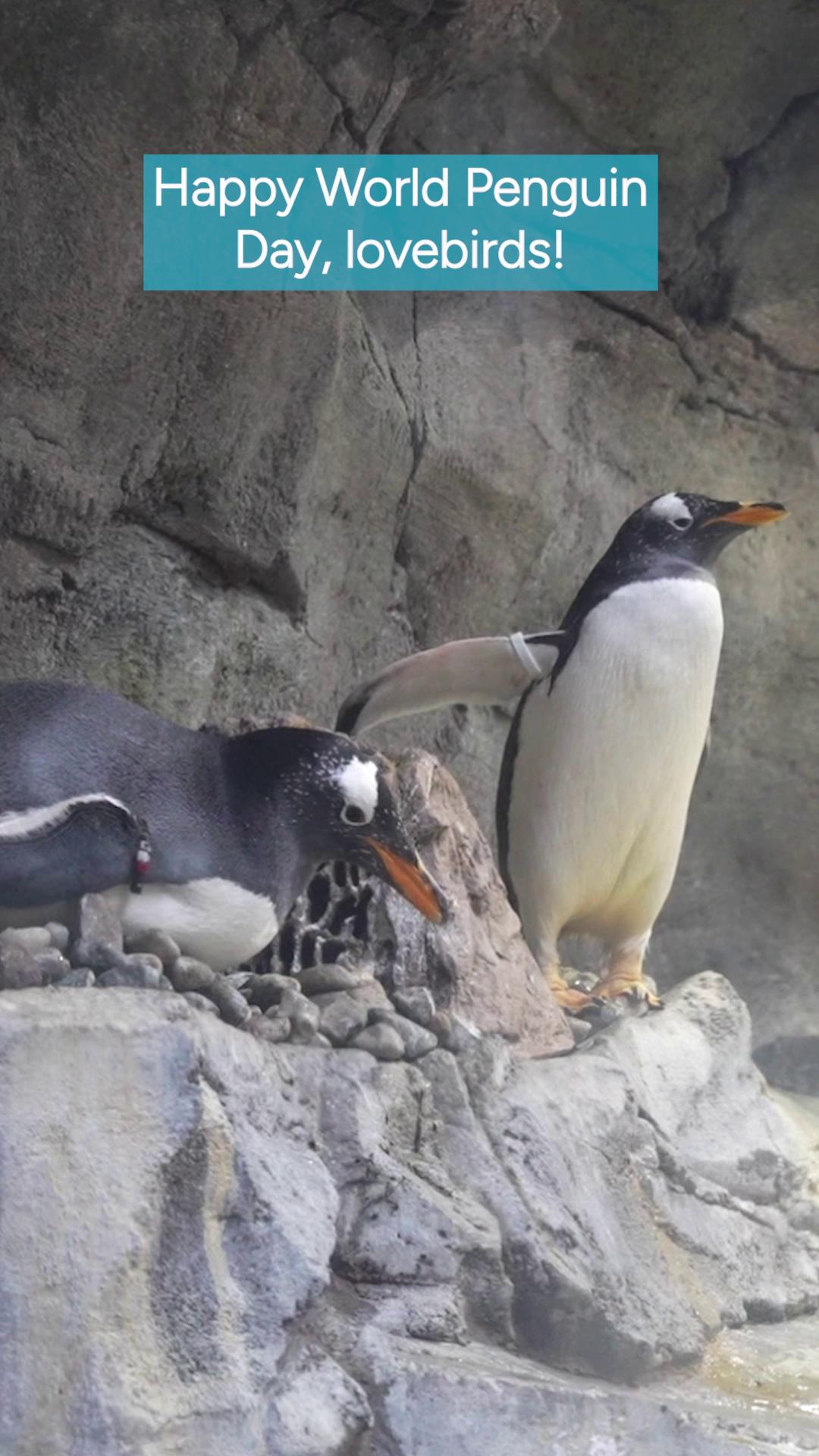
- Importance of World Penguin Day for Conservation Awareness
- Overview of Penguin Species and Their Habitats
- The Role of Zoos in Penguin Conservation
- Educational Initiatives at the Polk Penguin Conservation Center
- Penguin Behavior and Adaptations
April 25 marks a significant occasion for wildlife enthusiasts everywhere: World Penguin Day. This day is dedicated to celebrating penguins while simultaneously highlighting the urgent need for wildlife conservation. The event serves as a platform to raise awareness about the threats these remarkable birds face and the steps that can be taken to ensure their survival. Through various activities, informative sessions, and social media campaigns, World Penguin Day aims to engage the public in meaningful ways.
Penguins are fascinating creatures, each species exhibiting unique traits and habitat preferences. There are about 18 recognized species of penguins, ranging from the large Emperor penguin, which can stand over four feet tall, to the small Little Blue penguin standing at just 16 inches. Most penguins are found in the Southern Hemisphere, particularly in and around Antarctica. However, species like the Galápagos penguin defy this trend by residing on the equator. Understanding the unique environmental needs of each species can help inform conservation strategies.
Climate change poses a significant threat to penguins as it impacts their habitats and food sources. Changes in sea temperatures and ice melting can alter the distribution of fish populations, which are critical to penguin diets. From the colonies in the Falkland Islands to those in South Africa, alterations in the ecosystem can have dire effects. This is why educational institutions and zoos like the Detroit Zoo play a crucial role in conservation efforts. The Polk Penguin Conservation Center, part of the Detroit Zoo, serves as a hub for public education and conservation research.
The Polk Penguin Conservation Center is dedicated to showcasing the beauty of these remarkable birds while fostering public engagement. Through interactive displays and educational stations, visitors learn about the ongoing conservation work in regions like the Falkland Islands. This center’s dedication to penguin welfare and environmental education is essential in promoting awareness about the various threats to penguin populations.
The importance of penguin conservation stretches beyond their immediate habitats. Penguins serve as indicators of ocean health. Their needs reflect the state of marine ecosystems, making them critical in monitoring environmental changes. By protecting these birds, we also safeguard their habitats and, consequently, other species that share their ecosystems.
Educational initiatives play a vital role in shaping public understanding of penguins and conservation. The World Penguin Day education station at the Polk Penguin Conservation Center offers visitors the chance to learn interesting facts about these remarkable birds. For instance, did you know that most penguins can dive to depths of over 500 feet in search of food? Educational outreach helps deepen connection and respect for wildlife, inspiring action in conservation efforts. The more people understand the intricate dynamics of ecosystems, the more likely they are to advocate for changes necessary to protect them.
Moreover, engaging the younger generation is crucial for ensuring future conservation efforts. Schools and organizations often celebrate World Penguin Day through activities that promote environmental activism. From classroom lessons to community events, educating children about penguin conservation can instill values that encourage stewardship of nature. Interactive workshops and simulated environments allow children to connect with wildlife, fostering empathy and a sense of responsibility toward the planet.
Penguin behavior and adaptations are also fascinating topics that merit discussion. For example, Emperor penguins are unique in their breeding practices; males incubate the eggs during the harsh winter months while females venture out to feed. This remarkable strategy highlights the resilience of penguins in adapting to extreme conditions. Understanding these fascinating behaviors is essential for conservationists to formulate strategies that consider the specific needs and habits of each penguin species.
Habitat conservation initiatives are vital for the preservation of penguins. Protected areas in their natural environments form sanctuaries where penguins can thrive. Governments, alongside conservation organizations, are taking strides to establish marine protected areas that offer safe havens from human-induced threats such as overfishing and pollution.
The decline of penguin populations can result from various anthropogenic factors, including habitat degradation and climate change. Overfishing can lead to a lack of food resources, which is critical for their survival. Additionally, oil spills pose significant risks; penguins rely on their feathers for insulation and buoyancy when swimming. Contaminated feathers can result in hypothermia or drowning. Establishing and enforcing regulations that manage fishing practices and protect marine environments is crucial to combat these issues.
World Penguin Day serves as a reminder of the interconnectedness of wildlife, ecosystems, and conservation efforts. The more we recognize the challenges penguins face, the more effective we can be in our actions. The commitment of institutions like the Polk Penguin Conservation Center illustrates how zoos can act as educational platforms and advocates for conservation. They spotlight the critical issues affecting penguins and inspire action among the public.
Aside from educational activities, World Penguin Day can also promote community engagement. Local events that bring people together to celebrate this day can create substantial ripples in public awareness. Beach cleanups, film screenings, and social media campaigns can provide avenues for people to contribute to penguin conservation actively. Encouraging community participation in these efforts can build lasting relationships and a collective sense of responsibility toward wildlife.
The Polk Penguin Conservation Center excels in creating immersive experiences for visitors. By observing penguins in a setting that mimics their natural habitat, people can appreciate the complexities of these birds’ lives while learning about their conservation status. The center focuses on both the aesthetic qualities of penguins and the significant scientific insights that can be gained from their study. Programs and lectures offered by experts provide a deeper understanding of penguin biology and ecology.
Moreover, research plays a critical role in penguin conservation. Collaboration between zoos, universities, and conservation organizations can yield valuable data on penguin populations, behaviors, and environmental impacts. By sharing findings and insights, the scientific community can better address the challenges that face penguins in the wild. Continuous research ensures that conservation practices remain adaptive and effective.
World Penguin Day is not merely a celebration of these captivating birds; it is a critical call to action. Every individual can contribute to conservation efforts in meaningful ways, ranging from participation in educational events to advocating for policy changes. By raising awareness, fostering education, and engaging communities, we can make significant strides toward protecting penguins and their habitats.
Participating in activities and sharing knowledge about World Penguin Day fosters passion and commitment to wildlife conservation. Achieving long-term impacts on penguin populations requires sustained efforts and support from all sectors of society. Every effort counts, whether through participation in local events or simply sharing information on social media.
The uniqueness of each penguin species, combined with their ecological significance, underscores the importance of continuous conservation work. Understanding their needs, behaviors, and habitats contributes to informed conservation strategies. As World Penguin Day approaches, consider how individual actions can culminate in collective impact. The continued survival of penguins relies on informed advocates like you. By taking part in World Penguin Day events, you not only celebrate these incredible birds but also contribute to a vital cause: the preservation of our planet’s biodiversity.
*****
Source Description
Happy World Penguin Day! 🐧
There is always something exciting to see at the Polk Penguin Conservation Center at the Detroit Zoo – like these two gentoos nesting! Watch as one penguin scurries down to retrieve a fallen rock and is not satisfied until the nest is perfect.
Continue through this immersive building to learn about our conservation work in the Falkland Islands and visit the World Penguin Day education station to learn interesting penguin facts.
