
- Polar bear physiology and its impact on pollination
- The ecological role of pollinators in different ecosystems
- The interactions between polar bears and flowering plants
- Challenges of using polar bears in conservation and biodiversity efforts
- Insights into effective conservation strategies
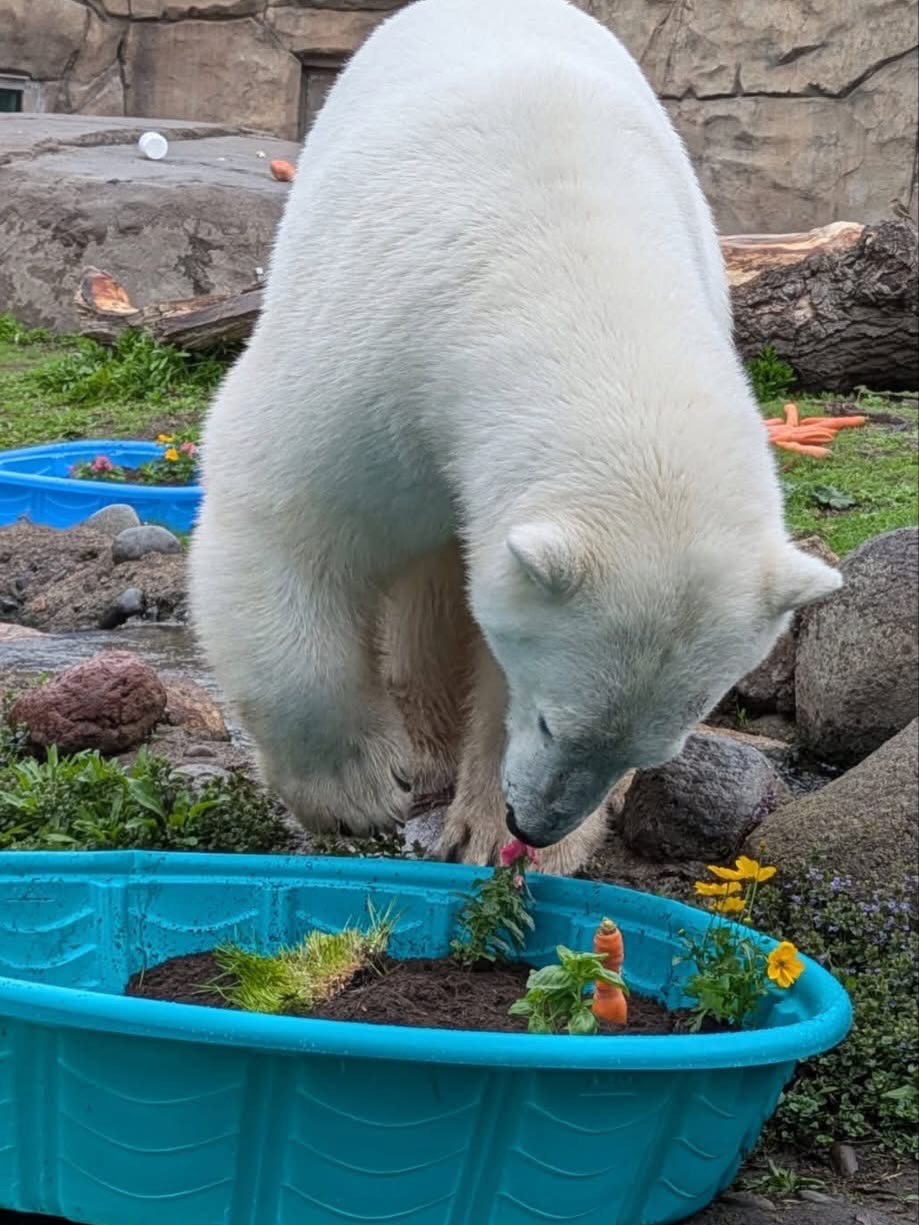
Polar bears (Ursus maritimus), while magnificent and powerful predators, are not equipped to serve as pollinators. Their anatomy and behavior contribute to this conclusion, as they lack the necessary adaptations to transfer pollen effectively. Firstly, understanding the physiology of polar bears reveals they do not possess the slender limbs or fine fur typically associated with effective pollinators. They have large, broad paws, designed for traversing ice and snow rather than maneuvering through floral environments. Their significant size and strength can even be detrimental to delicate flowers. When polar bears come into contact with plants, the repercussions can be disastrous, often crushing blossoms flat rather than aiding in their reproduction.
Pollinators play critical roles in ecosystems around the globe. They are vital for the reproduction of many flowering plants and, consequently, for the larger food web. Pollination is crucial for the production of fruits, seeds, and the continuation of plant species. In environments where polar bears roam, such as the Arctic tundra, the local flora includes a variety of flowering plants adapted to harsh conditions. These plants have evolved specific relationships with effective pollinators—primarily insects and a limited number of birds. Since polar bears do not fit this profile, their interaction with flowering plants is generally destructive rather than beneficial.
Looking closely at polar bears’ interactions with their environment helps highlight their lack of positive contribution as pollinators. Bears typically inhabit regions with a sparse distribution of flora, primarily feeding on seals and other prey sources. While they may come into contact with vegetation during their journeys, these encounters do not lead to pollination. In fact, their foraging behaviors can lead to significant disruption, flattening plants and preventing them from achieving maturity. Consequently, when polar bears roam rugged terrains, flowers are usually the ones that suffer.
The challenges surrounding the use of polar bears in conservation and biodiversity efforts are multi-dimensional. Given that these animals’ primary role is as apex predators, their presence does not directly correlate with the health of flowering plant species. On the contrary, their activities can lead to habitat degradation, which poses a threat to local flora. This degradation has cascading effects on other species, thus complicating the conservation narrative. Numerous species rely on thriving plant life, making it pivotal to consider the impact of apex predators when forming conservation strategies.
Current conservation initiatives aim to preserve biodiversity and protect essential ecosystems. Understanding the role of polar bears in their environments is crucial for developing effective strategies. While polar bears are important for maintaining balance in the Arctic food chain, they are far from traditional pollinators. Efforts need to focus on protecting the natural habitats of actual pollinators, such as bees and other insects, which are better suited to the task of pollen transfer.
To foster healthy ecosystems, conservation strategies should prioritize the maintenance of habitats where true pollinators can thrive. Pollinator gardens and other dedicated spaces can enhance the availability of food sources, encouraging numbers and diversity. In tandem with this, acknowledging the role of polar bears as essential ecological players can further drive conservation funds and resources. Understanding the unique ecological niches that each species occupies can lead to more engaged communities and more focused conservation tactics.
Ultimately, polar bears serve as a powerful flag for the impacts of climate change, habitat loss, and shifting ecosystems. Their decline signals broader disruptions in Arctic habitats. As temperatures rise and ice melts, the implications extend beyond the bears themselves. The plants and animals in their ecosystems face challenges that can impact entire food webs. As we focus on efforts to promote robust ecosystems, understanding polar bears as destructive pollinators rather than beneficial ones helps clarify conservation goals.
Polar bears may not fulfill the role of pollinators, but their presence in the ecosystem can provide critical insights into the health and future of Arctic environments. Conservationists must consider both apex predators and pollinators in their strategies to protect biodiversity and promote ecosystem resilience. It is essential to create the right conditions for pollinators to thrive while recognizing the significance of polar bears as vital to maintaining balance in their habitats. This multifaceted approach can maximize conservation efforts and lead to healthier ecosystems overall.
*****
Source Description
Polar bears are horrible pollinators. Unless you like your flowers flat. 🐻❄️
📷: Zookeeper Melanie
