
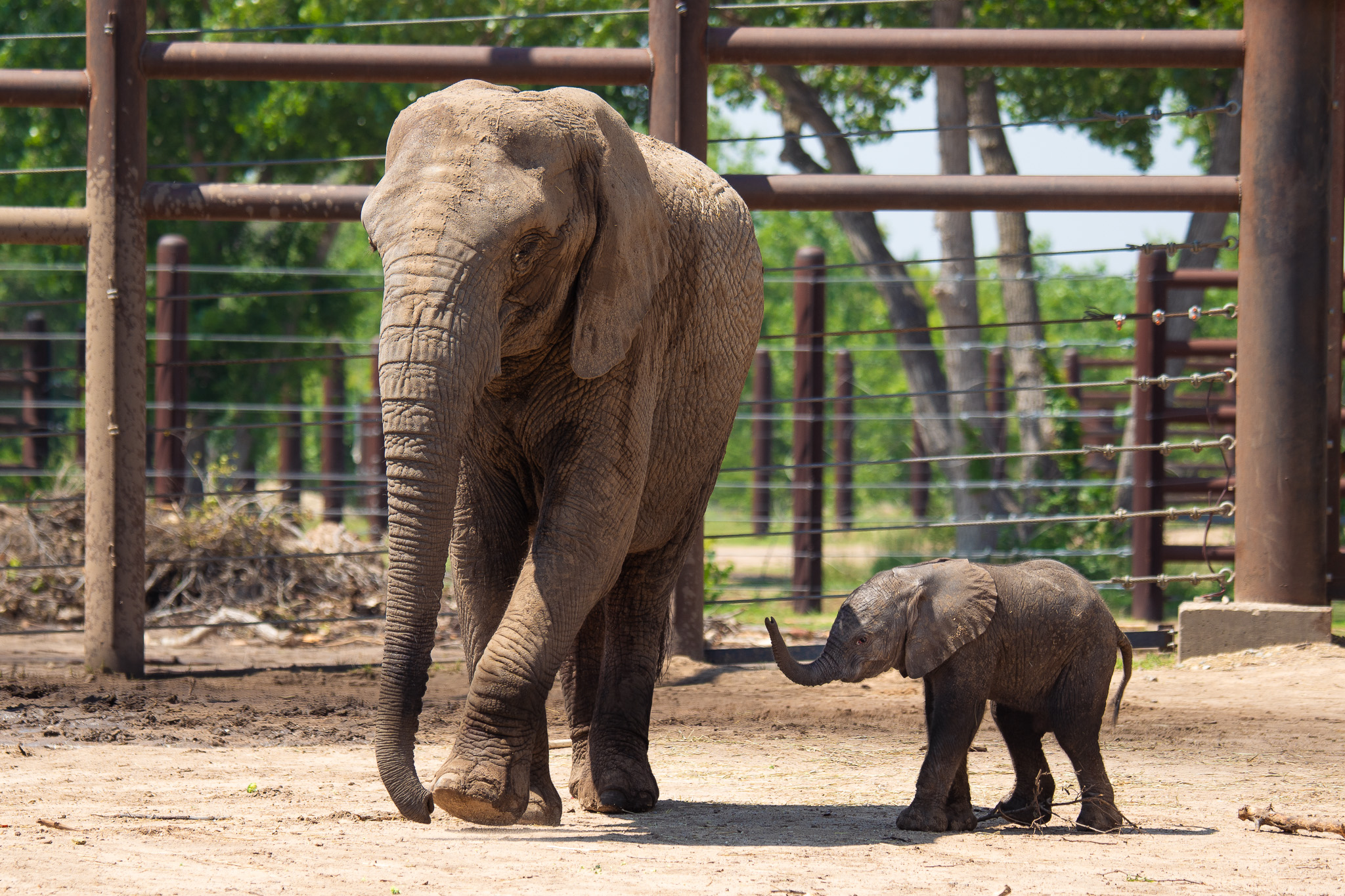
- Significance of the new calf’s birth in the context of elephant conservation and zoo management.
- Details of African elephant gestation and birth, including Arusi’s role as a mother.
- Social dynamics and behaviors within the elephant herd, focusing on interactions among the calves.
- Role of the Association of Zoos and Aquariums’ African elephant Species Survival Plan.
- Public engagement through media exposure and its importance for wildlife awareness.
The arrival of a new African elephant calf brings a significant milestone in conservation efforts. It not only enriches the biodiversity within the zoo but also contributes vital data to ongoing studies about these majestic creatures. This moment highlights key elements of elephant biology, conservation science, and the collaborative efforts needed to sustain species in the modern world.
The birth of Arusi’s calf comes after an extended gestation period of 651 days, a common duration for African elephants. This lengthy gestation allows for the development necessary for newborns to stand and move shortly after birth, an adaptation evolved over millennia to ensure survival in natural habitats. Arusi’s experience signifies her strength and nurturing ability, as she provides care critical for her calf’s immediate and long-term well-being. The zoo’s veterinary team monitors the health of both mother and calf, providing insights into captive elephant care.
The early socialization that occurs within the elephant herd is paramount. Bomani and Kijani, the other two calves recently born, mark the beginning of a new generation. Bomani, displaying curiosity and eagerness, represents typical juvenile elephant behavior. Elephants learn through interaction, observing older members, and engaging with their peers. These behaviors are crucial for their social development and eventual roles within the herd’s hierarchy.
The presence of a supportive herd, including experienced members like Talia and Simunye, is essential. They provide social structure and security, reinforcing bonds that are crucial to elephants’ mental health. Such dynamics mirror those found in wild populations, where matriarchal lines guide and protect group members.
The Association of Zoos and Aquariums’ African elephant Species Survival Plan plays a pivotal role in coordinating breeding efforts among various institutions. This collaboration aims to enhance genetic diversity and population sustainability in captivity, informed by extensive research and population management strategies. The program is an exemplar of how coordinated human intervention can support the survival of threatened species, bridging the gap between conservation science and practical implementation.
Public engagement, such as the live reveal on the Today Show, serves to increase awareness and foster a connection between the public and conservation efforts. Such media exposure underscores the importance of zoos in educating the public about conservation challenges and achievements. By drawing attention to these initiatives, zoos inspire current and future generations to participate in wildlife preservation efforts.
The new elephant calf represents more than a singular addition; it reflects a concerted effort to preserve a species facing numerous challenges in the wild, from habitat loss to human conflict. Through collaborative conservation and education, zoos play a vital role in fostering a sustainable future for African elephants while connecting people with nature.
*****
Source Description
We are thrilled to welcome a third African elephant calf to our herd! 🐘🎉
In the early morning of Tuesday, June 3rd, new mother Arusi safely delivered a healthy calf after 651 days of gestation.
Arusi’s calf joins Bomani (born April 10) and Kijani (born April 14). Bomani, along with his mother, Talia, and Simunye, were present for the birth and have been a supportive presence for Arusi. Bomani is already excited and curious about his new herdmate!
In alignment with breeding recommendations from the Association of Zoos and Aquariums African elephant Species Survival Plan, these additions to our herd are a reflection of the Zoo’s commitment to support the health and sustainability of African elephant populations in North America.
The gender AND name of this calf will be revealed LIVE on the @todayshow tomorrow at 9:00am CST – so be sure to tune in! 📺
