
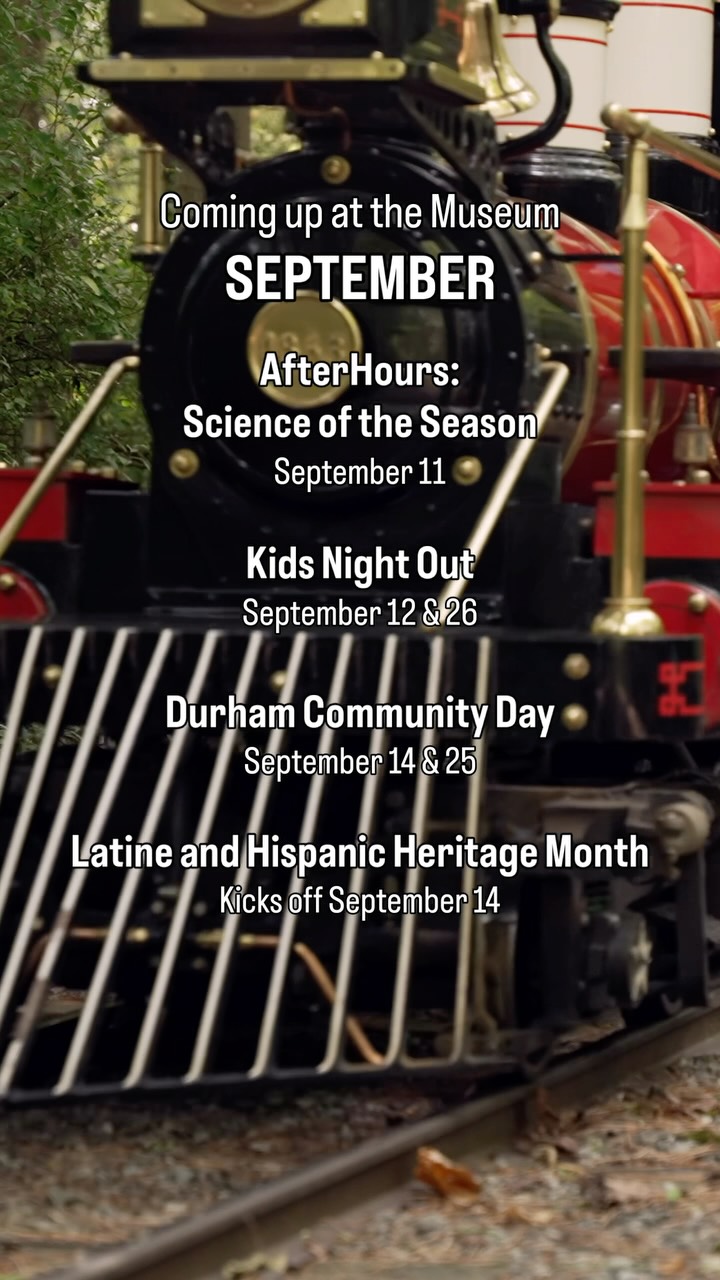
- The Pumpkin Patch Express and its educational opportunities
- New daily drop-in programs for visitors
- Insights into wildlife conservation initiatives
- The role of the museum in community connection
- Engaging activities that promote environmental stewardship
The Pumpkin Patch Express is a hallmark event for many families as September rolls around. This year, the museum reintroduces the experience, encouraging families to engage with the seasonal festivities while learning about local wildlife and agriculture. The Pumpkin Patch Express is more than just a whimsical ride through fall landscapes. It’s a rich educational opportunity showcasing the importance of sustainable practices in farming and the vital role of local crops in our ecosystems. Visitors can participate in a guided tour that highlights the journey of pumpkins from seed to harvest, offering insights into their cultivation.
What makes the Pumpkin Patch Express stand out is its dual role as both entertainment and a learning tool. Children and parents can learn about different types of pumpkins and other crops while enjoying the fall weather. The event often features interactive stations where attendees can participate in activities such as planting seeds, identifying local flora, and understanding ecological relationships.
In addition to this event, several new daily drop-in programs will be available throughout the month. These programs cater to a wide array of interests, with a focus on both hands-on activities and educational workshops. Children will have the opportunity to engage in creative projects centered around nature, such as crafting animal masks or creating art pieces with natural materials. These activities not only stimulate creativity but also inspire curiosity about the natural world.
One significant daily program will focus on the endangered species of the region. Workshops will present valuable information on the conservation efforts in place and why particular species require protection. Interactive exhibits and discussions with conservationists will provide visitors with a clearer understanding of biodiversity and the delicate balance of ecosystems. Each session aims to foster a sense of responsibility in attendees, highlighting how everyone’s actions can contribute to environmental preservation.
The museum operates as an important connective hub for the community, fostering awareness and appreciation of wildlife. Through events like the Pumpkin Patch Express and the drop-in programs, the museum stresses the interconnectedness of humans and nature. The goal is not merely to educate but to encourage visitors to become advocates for the environment.
In addition to these programs, the museum actively participates in ongoing wildlife conservation initiatives. Education around wildlife can be transformational, particularly when visitors understand how local species impact broader ecosystems. The museum collaborates with local conservation groups, providing a platform for discussions around wildlife management and sustainable practices. Engaging with community members through such initiatives can cultivate stronger commitments to protecting natural spaces.
A vital component of the museum’s mission is to encourage proactive environmental stewardship. Each program in September aims to instill a sense of completion—visitors leave empowered to contribute to conservation efforts beyond their visit. Activities will also include guided nature walks focusing on local biodiversity, teaching participants how to find and identify native plants and animals in their own backyards.
The benefits of connection to nature extend beyond educational value. Research consistently indicates that direct contact with nature has numerous health benefits, including reduced stress and increased well-being. The museum’s programming strengthens this connection, as participants learn to appreciate the intricacies of their local environment.
Special weeks throughout September will focus on various themes related to ecology and sustainability. Educational talks by experts in wildlife conservation and ecology will take place, giving attendees deeper insights into the issues faced by local species. Subjects will range from habitat destruction to the importance of pollinators in food production. Such talks educate the public on practical steps they can take, such as supporting local conservation initiatives and pursuing sustainable consumer choices.
September also covers special conservation-themed events that align with global awareness days, like World Habitat Day. This goal is to mobilize local communities by stressing the importance of preserving natural habitats for future generations. Activities planned for this event encourage hands-on involvement, ensuring attendees can see firsthand how conservation efforts successfully protect vulnerable species.
The museum’s interactive exhibits are designed to appeal to various age groups, ensuring that both children and adults leave with newfound knowledge. Permanent displays give insight into local wildlife, including collections of animal specimens and information addressing ecological challenges. These programs invite visitors to think critically about their role in the environment and recognize the urgent need for conservation.
The integration of technology has also made its way into the museum’s offerings. One notable addition this month is an augmented reality experience that allows visitors to explore the habitats of local wildlife virtually. This not only enhances engagement but also provides tangible context for the challenges animals face. By using technology to visualize current environmental issues, the museum brings awareness and encourages proactive solutions.
As September progresses, collaboration with local schools enhances educational outreach. School field trips are being scheduled to allow students to experience the museum’s educational resources firsthand. Teachers will have the opportunity to tailor these trips to their lesson plans, introducing students to topics like ecosystems, biodiversity, and the importance of conservation efforts. These partnerships foster an environment where future generations can grow into informed custodians of the earth.
The museum’s commitment to these educational programs extends beyond September. Ongoing events, workshops, and initiatives throughout the year continue to address pressing conservation issues and promote sustainable practices. This commitment highlights a long-term vision for wildlife and environmental stewardship that extends into the future. Even after visitors leave, they carry valuable insights that can shape their interactions with the planet.
Resource materials are provided for families and educators to further support ongoing learning. These materials include guides on local wildlife, tips for creating environmentally friendly home projects, and resources for understanding the complexities of conservation. Families can take the spirit of the museum with them, becoming active participants in nature preservation in their own communities.
Participating in events like the Pumpkin Patch Express and other educational programs this September enrich not just the attendees’ knowledge but strengthens community bonds. Relationships formed in these settings often lead to partnerships that drive sustainable conservation initiatives. As visitors grasp the connections between local ecosystems and their daily choices, the hope is to inspire stewardship that lasts well beyond a single event.
The museum continues to make strides in advocating for environmental appreciation through engaging and informative programming. Each initiative serves as a stepping stone for broader awareness and understanding of wildlife conservation, education, and community involvement. Visitors are invited to join this journey, engaging with their environment and becoming champions for a sustainable future.
*****
Source Description
What’s on at the Museum in September 🍂
With the return of Pumpkin Patch Express and some new daily drop-in programs, this month is full of fun. Catch all the details at the 🔗 in our bio.
