
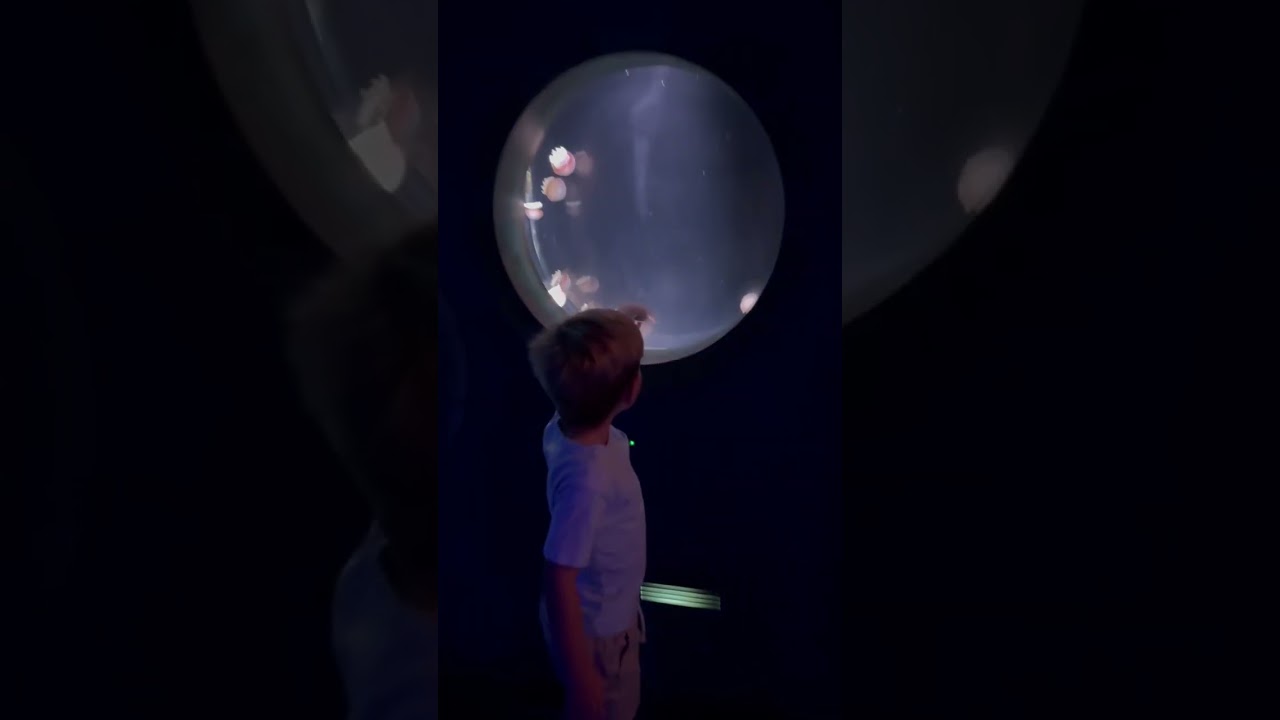
- The intersection of child-like curiosity and wildlife conservation: how a six-year-old’s perspective can offer unexpected contributions to understanding animal habitats.
- The significance of maps in zoology and zoo management for effective wildlife conservation and the innovative ways youngsters perceive spatial information.
- The value of narrative and art in engaging young minds and crafting zoo environments that foster a deeper connection between children and wildlife.
- Comparative studies on cognitive development in young children and spatial thinking, emphasizing their potential impact on future conservation strategies.
- The importance of fostering early environmental stewardship through interactive learning experiences for children in zoo settings.
Zoology and wildlife conservation often involve rigorous scientific approaches and data analysis, with methods typically developed by seasoned professionals in the field. However, the perspectives of young children—particularly six-year-olds—can provide unexpected and valuable contributions to these endeavors. This is not a fantastical notion but rather a pragmatic understanding of how a child’s innate curiosity and straightforward perspective can challenge traditional methods and offer new insights into animal habitats and behaviors.
Within natural sciences and zoo management, maps are invaluable. They aid in planning, conservation efforts, and habitat reconstruction. Understanding the geographical distribution of different species, mapping migration patterns, and determining habitat requirements are fundamental to successful wildlife management. Yet, children often see maps differently. Their interactions with spatial data are less constrained by logic and established norms, which can reveal alternative approaches to understanding and teaching spatial relationships.
Young children often engage with their environment in a sensorial manner. This innate approach can lead to creative innovations in how zoos visualize animal habitats. Children’s simplified perception of the world can inspire more engaging educational tools that eschew the complexity adults often unnecessarily prioritize. This shift is especially apparent in “Who needs a map when you’ve got a six-year-old?” where young perspectives have been shown to spark alternative methods of delineating and understanding zoo environments.
Engaging children in narrative and art can vastly improve their understanding and interest in wildlife conservation. Storytelling, in particular, can simplify complex conservation narratives, making them more accessible to younger minds. Crafting zoo exhibits that incorporate narrative elements or allow for artistic expression can help embed the importance of conservation in the minds of children. This approach isn’t limited to storytelling; allowing children to draw and describe what they see encourages them to think critically and creatively about animal habitats. This active engagement promotes a sense of stewardship and connection to wildlife.
Understanding how young minds process spatial information can provide valuable insights into broader educational and conservation strategies. Cognitive development theories suggest that children have an inherently flexible understanding of spatial relationships. Studies have shown that the way children interpret maps can influence how they learn about the natural world and influence future conservation techniques. This research suggests that integrating childlike interpretations of spatial data into educational programs could encourage a broader, more inclusive approach to wildlife conservation and management.
Zoo settings are ideal places for cultivating early environmental stewardship. These settings provide a controlled environment where children can intimately experience the wonders of nature, often for the first time. Interactive learning experiences, such as guided tours tailored specifically to children or hands-on activities like building simple animal structures, can cement a child’s love for nature. These experiences shape their conservation ethics and provide them with the tools to become future stewards of the environment.
Reimagining the primary educational and conservation approaches by incorporating the fresh, unfiltered perspectives of young children can yield unprecedented benefits. In “Who needs a map when you’ve got a six-year-old?” this concept is highlighted as it illustrates the power of incorporating youthful insights into adaptive conservation strategies. It’s a reminder that open-mindedness and simplicity often lead to innovation, even within scientific disciplines typically dominated by traditional methodologies. By fostering children’s natural curiosity and utilizing their unique ways of viewing the world, we can lay the foundation for future generations committed to the ongoing care and conservation of wildlife.
*****
Source Description
