
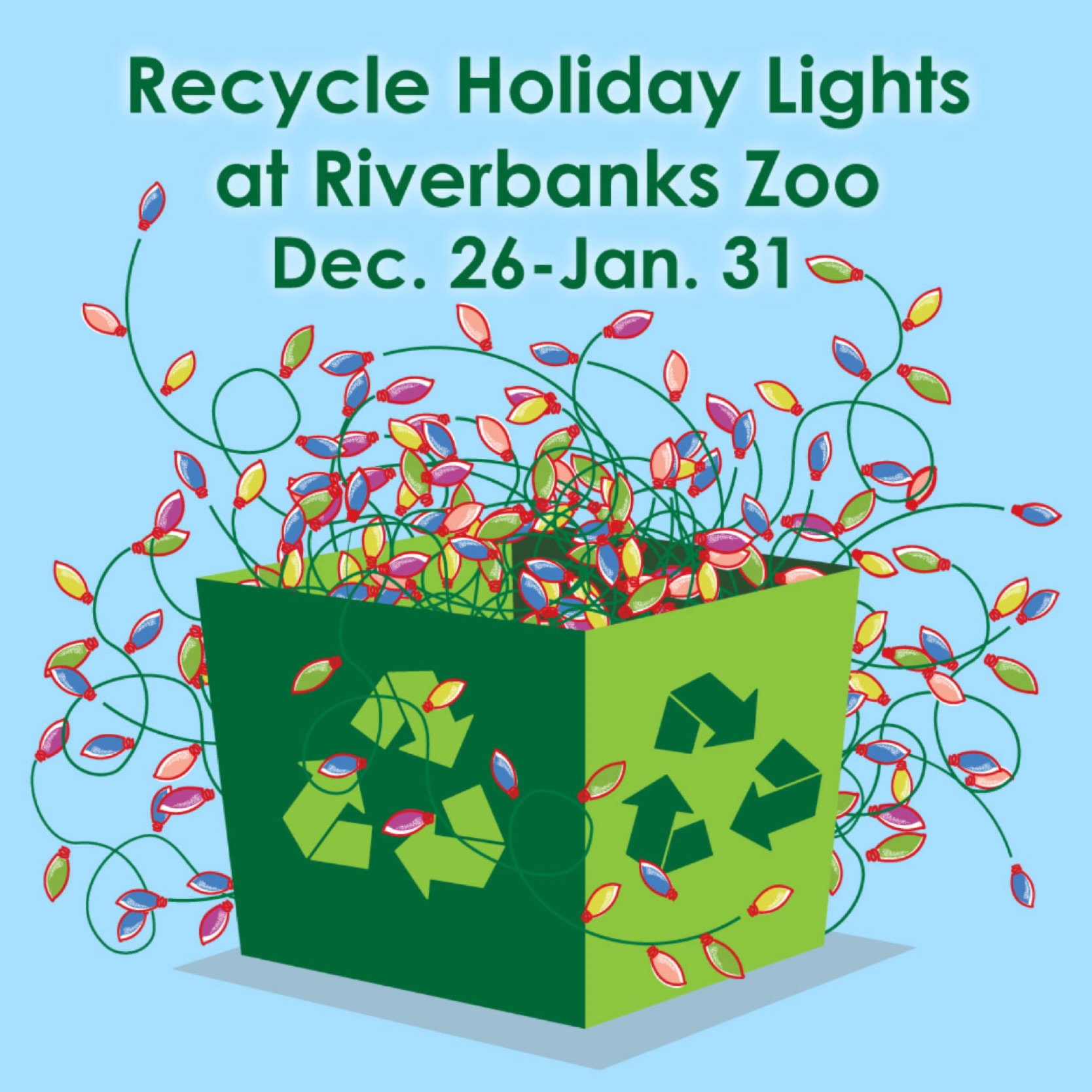
- The importance of recycling holiday lights and their environmental impact.
- How tangled and broken lights contribute to waste.
- The process of recycling holiday lights and what happens to them.
- Initiatives by zoos and gardens to promote recycling and conservation.
- Engaging the community and raising awareness about eco-friendly practices.
As the holidays wrap up and the decorations come down, it’s a common occurrence that many strands of holiday lights do not survive the season. Whether they have tangled, malfunctioned, or become obsolete, these lights end up discarded, contributing to large amounts of waste. It’s essential to recognize that recycling holiday lights can play a crucial role in environmental conservation. By recycling your unwanted seasonal decorations, you can contribute to a more sustainable planet and promote eco-friendly practices within your community.
The environmental impact of discarded holiday lights is significant. Each year, millions of strings of decorative lights are thrown away, adding to the growing problem of plastic waste in landfills. Holiday lights are often made of materials like plastic and copper, which can take years to decompose. They can release harmful substances into the environment as they degrade, further contributing to pollution. By recycling these lights, you help divert waste from landfills and minimize the adverse effects of plastic pollution on ecosystems.
Tangled or broken holiday lights often appear as simple household waste, but their disposal can create broader issues. According to the Environmental Protection Agency (EPA), electronic waste (e-waste) is one of the fastest-growing waste streams. Holiday lights, classified as e-waste due to their electrical components, require specialized recycling processes. Properly recycling these lights helps recover valuable materials, such as copper, and reduces the need for raw materials harvested from ecosystems.
The recycling process for holiday lights is straightforward yet effective. When you bring your broken, tangled, or unwanted lights to designated recycling locations—such as zoos and gardens—these lights undergo a series of steps. First, the lights are sorted by type and condition. Non-functional strands may be separated from functional ones. After sorting, the lights are processed to extract recyclable materials. Copper wiring, for instance, can be melted down and repurposed, whereas plastic components can also be recycled. This process not only reduces waste but also conserves natural resources, which is vital for promoting sustainability.
Zoos and gardens are increasingly becoming community hubs for environmental stewardship, showcasing the interconnectedness of wildlife conservation and recycling initiatives. By implementing holiday light recycling programs, these institutions encourage community members to take an active role in sustainability. Bringing lights to a familiar location can foster greater participation, as people often feel more engaged when their contributions support local organizations dedicated to wildlife conservation. These initiatives also serve to educate the public on the importance of eco-friendly practices, showing how seemingly small actions can create meaningful impact.
Engaging the community in recycling efforts requires awareness and motivation. Educational campaigns, workshops, and informational signage at zoos or gardens can raise awareness about the environmental benefits of recycling holiday lights. Hosting events where people can learn about the recycling process not only informs attendees but can also cultivate a sense of responsibility toward waste management. Collaboration among local businesses, schools, and organizations can amplify these efforts, making recycling programs more accessible and impactful.
To successfully increase participation, it’s essential to communicate the specific details of recycling programs. For instance, highlighting the dates for light recycling, promoting the associated benefits, and providing clear instructions on how to prepare lights for recycling fosters a collaborative spirit. Beyond just recycling, these programs can inspire community members to consider sustainable practices year-round, encouraging a holistic approach to waste management.
In sum, every strand of holiday lights has a story of its own. While many may end up tangled or broken after the season, they can find a new purpose through recycling. By bringing your unwanted holiday lights to designated locations, like zoos or gardens, you contribute to a larger movement of environmental sustainability. You become an integral part of efforts aimed at reducing waste and protecting ecosystems.
As individuals act to recycle their holiday lights, the ripple effect can create positive change. Communities can foster a deeper understanding of the interconnectedness of waste, wildlife, and conservation. Each action taken today contributes to a cleaner, more sustainable future for the planet. When you recycle your holiday lights, you not only clear space for the next season’s decorations but also play a vital role in supporting wildlife and environmental initiatives in your community.
*****
Source Description
As the holidays wrap up and the decorations come down it is safe to say not every strand of lights survived the season…😅✨
No worries though, we’ve got you covered! Now through January 31, bring your broken, tangled, or unwanted holiday lights to be recycled at the Zoo or Garden entrance. Give those lights a bright new purpose and help keep a little extra cheer shining on for the planet! ♻️🌍
