
- The history and origins of Halloween celebrations.
- Practices in wildlife conservation during festive seasons.
- The significance of using ethical decorations and costumes.
- Engaging children in nature-focused Halloween activities.
- How zoos promote animal welfare during Halloween festivities.
Halloween, celebrated on October 31st, has roots stretching back to ancient festivals. The Celts observed Samhain, marking the end of the harvest season. This festival included bonfires and gatherings as a way to honor the changing seasons and spirits. Over time, Samhain evolved into what we now know as Halloween, infused with Christian traditions and various cultural influences. This amalgamation has resulted in customs such as trick-or-treating, costume wearing, and pumpkin carving.
Understanding the historical underpinnings of this holiday can enrich celebrations. For instance, many individuals enjoy dressing as animals, which can lead to discussions about wildlife. Such engagement offers an effective way to introduce children to the importance of animal conservation. A costume resembling a tiger or a lion can serve as an eye-catching reminder of the importance of these apex predators in their ecosystems.
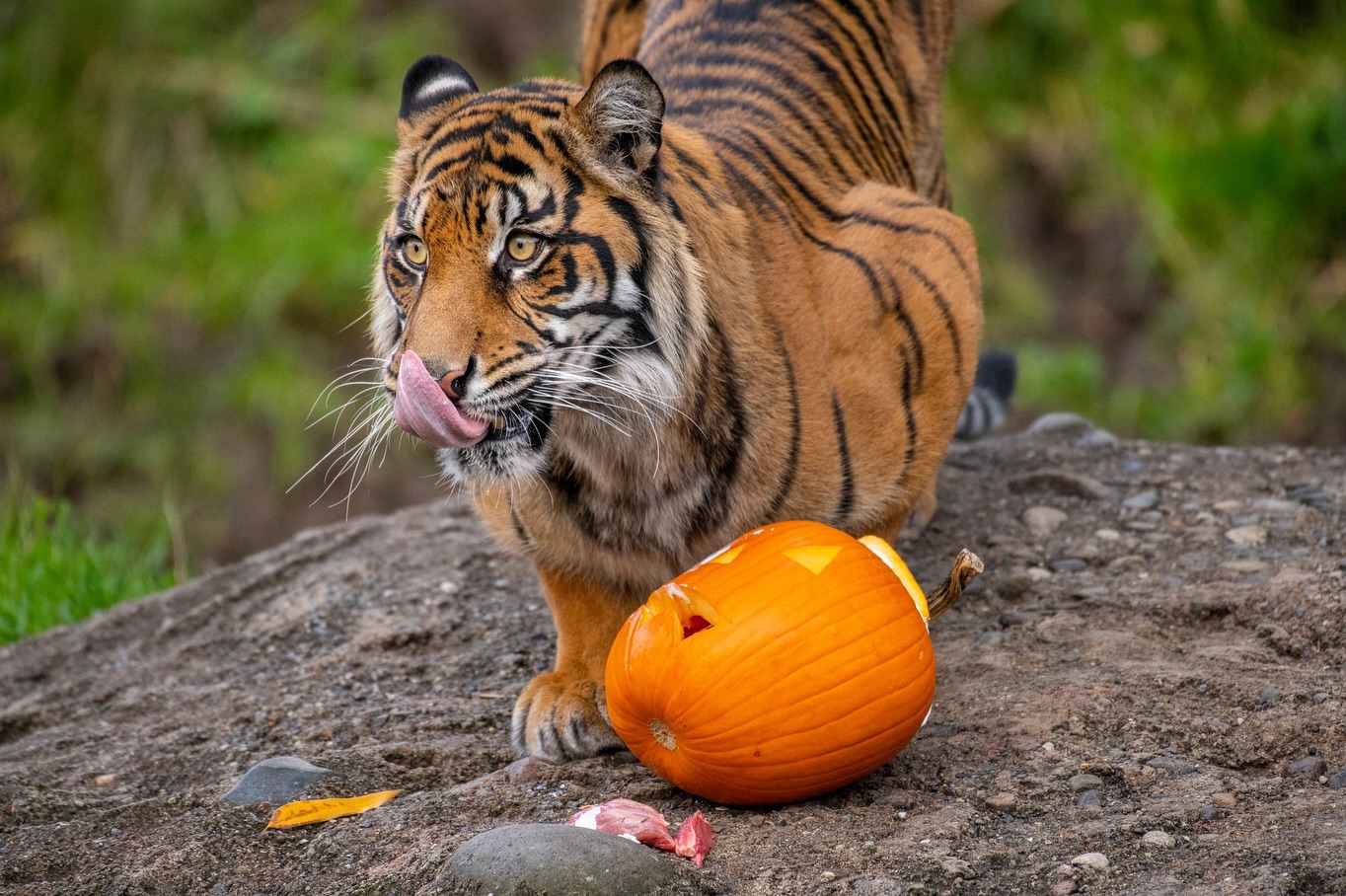
As Halloween approaches, many zoo facilities host events that are both entertaining and educational. These events often include spooky-themed activities that focus on wildlife conservation. During the Halloween season, visitors might see zookeepers engaging with animals using pumpkins and other decorations. Such interactions not only captivate the audience but also benefit the animals. For example, enrichment activities involving pumpkins stimulate the animals mentally and physically. This illustrates how festive seasons can be purposefully combined with animal care practices.
Wildlife conservation is crucial, particularly during seasonal celebrations. People often forget that certain festivity items can have adverse effects on wildlife. Plastic decorations, for instance, can end up in natural habitats, posing risks to birds, sea life, and terrestrial mammals. Disposal of these items after Halloween is often done carelessly, leading to environmental pollution. Instead of using single-use plastics, consider purchasing eco-friendly alternatives. By minimizing waste and supporting companies that prioritize sustainability, each individual contributes to broader conservation efforts.
Costumes are another area where ethical considerations matter. The growing popularity of Halloween has resulted in increased costume production, which frequently uses synthetic materials. These materials can take hundreds of years to decompose, exacerbating environmental issues. Opting for costumes made from organic materials or participating in costume swaps can significantly reduce this burden. Additionally, animal-themed costumes should celebrate rather than vilify real animals. It is vital to educate children about the differences between their costume representations and the realities of wildlife.
Engaging children in nature-focused activities during Halloween can cultivate a love for the environment. Simple activities, such as conducting a neighborhood “wildlife scavenger hunt,” allow children to explore local flora and fauna. They can identify various species, create art inspired by their discoveries, and even learn about local ecosystems. These inspired experiences deepen their understanding of the world and instill a sense of responsibility toward wildlife.
Another form of engagement is the initiative where zoos provide educational resources during Halloween. Events typically feature live animal demonstrations, where children can learn about various species and their habitats through interactive exhibits. This hands-on experience encourages curiosity and fosters a appreciation for the intricacies of ecosystems. During Halloween-themed educational talks, conservationists often highlight the effects of climate change, habitat destruction, and pollution on wildlife populations.
Promoting animal welfare in zoos during festive periods is essential for ethical zoo management. Zoo staff work diligently to create enjoyable experiences for visitors while ensuring that animal care remains a priority. During Halloween, zoos often enhance their environments with seasonal decorations that are both enriching and safe for the animals. Many facilities adopt methods that reduce stress for animals during busy periods, such as creating quiet spaces where they can retreat when overwhelmed.
As a celebration steeped in festivity, Halloween can simultaneously serve as a platform for raising awareness regarding wildlife conservation. Educating audiences on issues affecting wildlife can be seamlessly integrated into festive celebrations. For example, some zoos may integrate conservation messages into their Halloween events, highlighting endangered species, habitat loss, and responsible consumer habits.
Another innovative practice involves animals participating in themed events. Educators can demonstrate how animals interact with Halloween-themed enrichment materials. Pumpkins, apples, and hay bales serve not only as decorations but also as food and play objects. Sharing this information elevates the understanding of animal behavior, while engaging visitors in meaningful ways.
Moreover, promoting a safe Halloween goes beyond individual safety. Raising awareness about the impact of Halloween on wildlife creates a thoughtful dialogue about conservation. During festive events, zoos often display clearly marked bins that advocate for proper waste disposal. People are encouraged to recycle and reduce their environmental footprints, reinforcing the message that everyone can make a difference.
Community involvement is also crucial. Schools, local governments, and businesses can work collaboratively to promote wildlife-friendly practices. For example, neighborhoods can adopt environmentally friendly decorations and host events where individuals share tips on reducing waste. Schools can integrate wildlife education into Halloween celebrations by organizing discussions about local species and conservation efforts, encouraging a sense of community spirit.
For those not directly involved in zoology or wildlife conservation, the idea of celebrating Halloween while respecting wildlife may seem far-fetched. However, lifestyle changes need not be drastic to have a significant impact. Simple adjustments, like choosing sustainably sourced decorations, can foster a more profound awareness of environmental stewardship.
Exploring local wildlife and learning about animal behavior during Halloween can transform ordinary festivities into extraordinary educational opportunities. Experiences that align with nature deepen children’s understanding of the ecosystem, cultivating lifelong environmental advocates. As children participate in these activities, they may become curious, asking questions that lead to further exploration of animal sciences.
Every Halloween, zoos and wildlife organizations strive to make festivities both entertaining and enlightening. This dual purpose attracts individuals who may not otherwise engage with wildlife issues, leading them to recognize the necessity of conservation efforts in their local communities. Through various forms of outreach, these organizations foster a culture of compassion and stewardship for wildlife.
Overall, safely enjoying Halloween while engaging with wildlife themes amplifies awareness and inspires action. By celebrating responsibly, individuals contribute positively to their communities and the environment. The core message is simple: Enjoy the holiday but remain conscious of the impact on wildlife and nature. With awareness, people can create a harmonious balance between celebration and conservation.
As Halloween approaches, the excitement in the air should inspire reflection on how to extend that joy to wildlife and the environment. By practicing eco-friendliness during Halloween festivities, everyone plays a role in the broader narrative of wildlife conservation and stewardship. Such actions not only elevate personal celebrations but enrich community ties to the natural world around them.
*****
Source Description
Wishing everyone a safe, fun, and wildly happy Halloween! 🎃🐯🐡
