
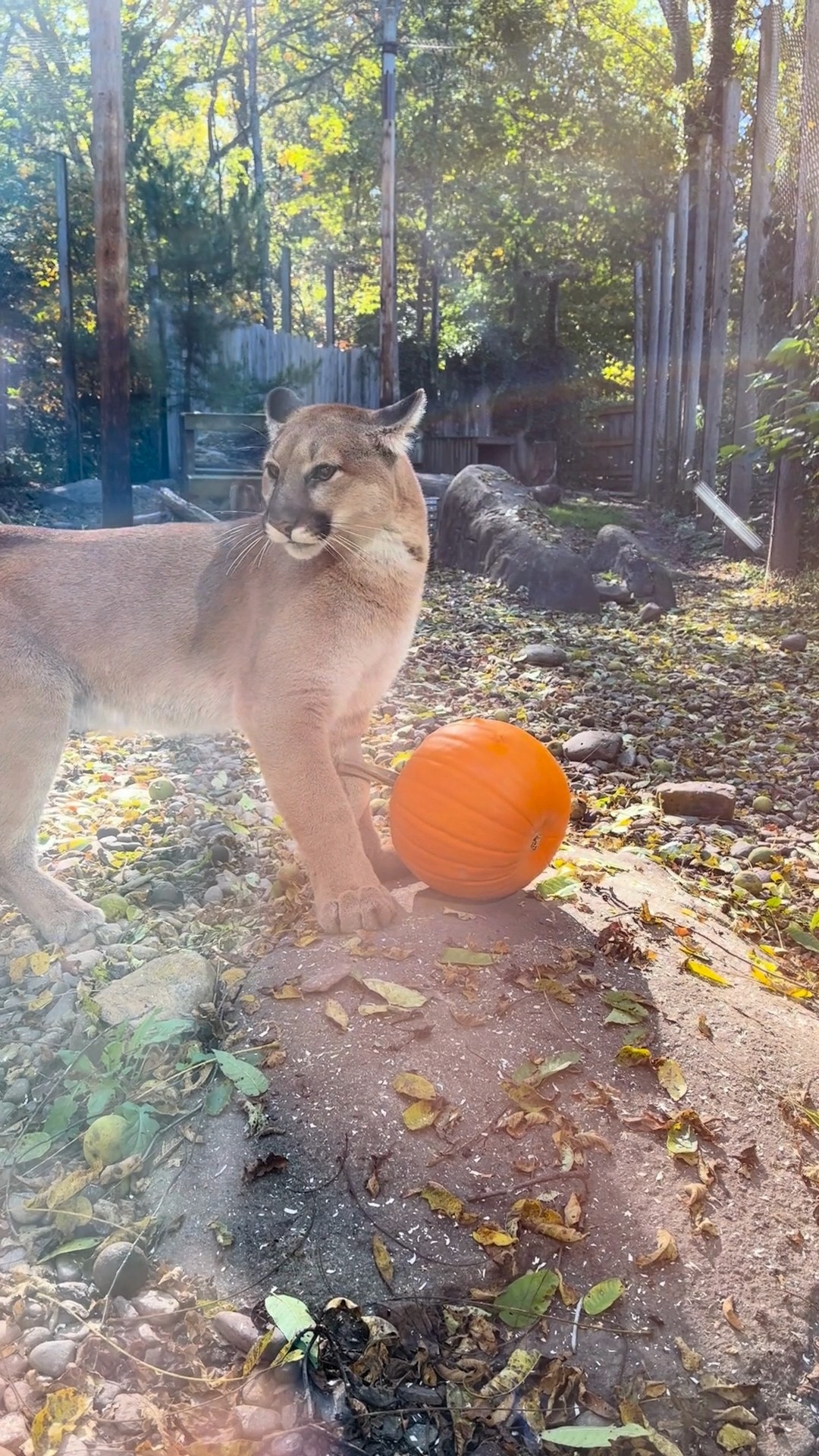
- The significance of pumpkin destruction in Halloween traditions and its ecological implications.
- Common wildlife interactions with pumpkins and the reasons behind them.
- Conservation strategies to mitigate pumpkin destruction by wildlife.
- Legal considerations regarding wildlife interactions and agricultural practices.
- Community engagement and awareness in preserving pumpkin crops during the Halloween season.
Pumpkin destruction during the Halloween season is more than a mere inconvenience for farmers and families. This phenomenon intersects cultural traditions with ecological realities, leading to significant implications for wildlife and agriculture. Halloween, celebrated with pumpkin carving and decorations, often ignites various wildlife interactions. When pumpkins are displaced or destroyed, it can disrupt local ecosystems and affect animal behavior.
Understanding the ecological implications of pumpkin destruction begins with acknowledging the cultural traditions surrounding pumpkins. Traditionally, pumpkins symbolize harvest time and have become integral to Halloween festivities. The act of carving pumpkins (often referred to as jack-o’-lanterns) is steeped in history, where pumpkins were originally believed to ward off evil spirits. However, as these pumpkins decay or are thrown away after the holiday, they can become a food source for several animal species.
Wildlife is drawn to pumpkins due to their nutritional benefits. Deer, raccoons, and even rodents find pumpkins a suitable food source. The high sugar content in pumpkins coupled with their soft texture makes them an appealing target. Also, once pumpkins are discarded or damaged, animals are likely to scavenge them, leading to property damage for growers and homeowners.
Understanding these interactions is essential for agriculture and wildlife management. Wildlife populations often exceed carrying capacity in certain areas, making pumpkins and other crops attractive food sources. When animals consume pumpkins, it can lead to overgrazing and immediate damage to property. Consequently, this behavior highlights the importance of managing wildlife populations in agricultural settings.
To mitigate the issue of pumpkin destruction, several conservation strategies can be employed. Farmers and homeowners can utilize deterrents such as fencing to keep wildlife away from pumpkin patches. Installing motion-activated lights can also disturb animals, discouraging them from approaching. Additionally, employing natural repellents derived from scents that animals dislike, such as garlic or hot pepper, may influence wildlife behavior effectively.
Another strategy is to select pumpkin varieties that may be less appealing to wildlife. Some cultivars are denser, while others have thicker rinds, making them less desirable for munching. The key lies in understanding the local wildlife species and targeting specific prevention measures based on their feeding habits.
Legal considerations also play a role in wildlife interactions with agricultural practices. Any intentional harm to wildlife can result in legal consequences under the Migratory Bird Treaty Act or state wildlife laws. While protecting crops from wildlife is essential, it is equally important to approach mitigation within a lawful framework. Educating the community about these laws is crucial; farmers must balance their needs with wildlife protection.
Community awareness has a significant impact on preventing pumpkin destruction. Educating the public about proper disposal of pumpkins post-Halloween is key. Many communities can organize events that encourage composting or donating pumpkins for animal consumption after the holiday. These initiatives reduce waste and provide wildlife with food sources in a controlled manner. Schools, community centers, and local nature groups can play an active role in raising awareness about sustainable practices surrounding pumpkins.
Furthermore, partnerships between local governments and environmentally-focused organizations can yield successful conservation programs. For example, collaboration can create community gardens or wildlife sanctuaries where harvested pumpkins are used as food for local animals rather than left to rot in landfills. These steps not only promote environmental stewardship but also enhance community ties through collaborative efforts.
Like any interaction between humans and nature, pumpkin destruction during Halloween encapsulates the broader challenges of coexistence. Recognizing the need for responsible wildlife management while celebrating cultural traditions paves the way for sustainable practices. By addressing pumpkin destruction through informed choices, communities can foster better relationships with both wildlife and agriculture, ensuring a harmonious balance during this festive season.
As Halloween approaches, awareness and education become paramount. Addressing the issue of pumpkin destruction requires cooperation among individuals, communities, and organizations. Implementing conservation strategies and engaging with the legal system allows for a holistic approach to managing wildlife interactions with pumpkins. Ultimately, the goal should be to maintain pumpkin populations for both enjoyment and ecological balance, servible to wildlife populations while preserving cultural traditions that make Halloween special.
*****
Source Description
Claw & Order: Spooky Victims Unit – crimes of pumpkin destruction detected. Happy Halloween from your friends at the Nature Center!
