
- The Dietary Habits of Wood Bison: An Exploration of Their Browsing Behavior
- Adaptations and Physical Characteristics Facilitating Browse Consumption
- The Role of Wood Bison in Ecosystem Dynamics
- Conservation Strategies and Challenges Facing Wood Bison Populations
- The Impact of Environmental Changes on Wood Bison Feeding Habits
Wood Bison, the largest terrestrial mammal in North America, are fascinating creatures, especially when viewed through the lens of their dietary habits. A crucial aspect of their survival is eating browse, which involves feeding on shrubs, leaves, and twigs. This activity not only supports their nutritional needs but also influences the ecosystems they inhabit.
The Dietary Habits of Wood Bison: An Exploration of Their Browsing Behavior
Wood Bison are primarily grazers; however, they also consume a significant amount of browse. This feeding strategy allows them to adapt to seasonal variations in food availability, especially during harsh winters when grasses are scarce. The ability to eat browse, such as willow and aspen twigs, is vital in maintaining their health and energy.
Nutritional content of browse differs significantly from grasses. Browse typically offers higher protein and mineral content, which supports the bison’s physiological needs during winter months. For instance, although grasses are their primary food source, the reliance on browse allows them to sustain and even increase weight in adverse conditions.
Adaptations and Physical Characteristics Facilitating Browse Consumption
The anatomy of Wood Bison aids their browsing habits. Their robust jaw muscles and flat molars are perfectly adapted for grinding woody vegetation. This dental adaptation enables them to break down fibrous plant material efficiently, extracting essential nutrients necessary for survival.
Furthermore, their large stature and strong necks allow them to reach various levels of vegetation. This capability is crucial during winter, where snow depth might limit access to lower-lying grasses. Their keen sense of smell also helps locate browse under snow, demonstrating their adaptation to northern climates.
The Role of Wood Bison in Ecosystem Dynamics
Wood Bison play an essential role in their ecosystems by influencing vegetation structure through their browsing habits. By consuming browse, they help in pruning shrubs, which encourages new growth. This regeneration supports a variety of other species, fostering biodiversity.
Moreover, their browsing impacts seed dispersal and soil composition. The nutrients from their waste fertilize the ground, promoting plant diversity. Such ecological roles highlight the interconnectedness of Wood Bison within their habitats, making them keystone species integral to the ecological balance.
Conservation Strategies and Challenges Facing Wood Bison Populations
Conserving Wood Bison presents both challenges and opportunities. Various conservation strategies have been implemented to ensure their survival amidst threats such as habitat loss and disease. Habitat restoration and management play critical roles, aiming to preserve and expand areas where Wood Bison can roam and graze.
Captive breeding programs have also contributed to population recovery. These initiatives are designed to maintain genetic diversity and reintroduce bison into their historical ranges. Operationalizing these programs requires collaboration between conservationists, governmental agencies, and local communities.
However, conserving Wood Bison faces challenges like human-wildlife conflict and climate change. Land encroachment and industrial activities pose significant threats to their habitats. Addressing these issues demands innovative strategies that balance ecological needs with human interests.
The Impact of Environmental Changes on Wood Bison Feeding Habits
Environmental changes, particularly due to climate fluctuations, affect Wood Bison feeding habits. As temperatures rise, plant phenology changes, impacting the availability and nutritional quality of their food sources. This shift necessitates adaptive strategies in bison behavior, influencing their reliance on browsing during certain times of the year.
Moreover, extreme weather events and altered precipitation patterns can limit access to browse. Deep snowpacks and ice layers can hinder their ability to reach shrubs, forcing them to travel further for food. Understanding these dynamics is essential to developing conservation strategies that safeguard their future.
In summary, Wood Bison eating browse is a multifaceted topic that encompasses dietary habits, ecological roles, and conservation efforts. These majestic creatures embody resilience and adaptability, reflecting broader ecological principles that underscore their importance in North America’s northern landscapes. Preservation efforts must continue, guided by scientific understanding and community engagement, to protect these vital members of the natural world.
*****
Source Description
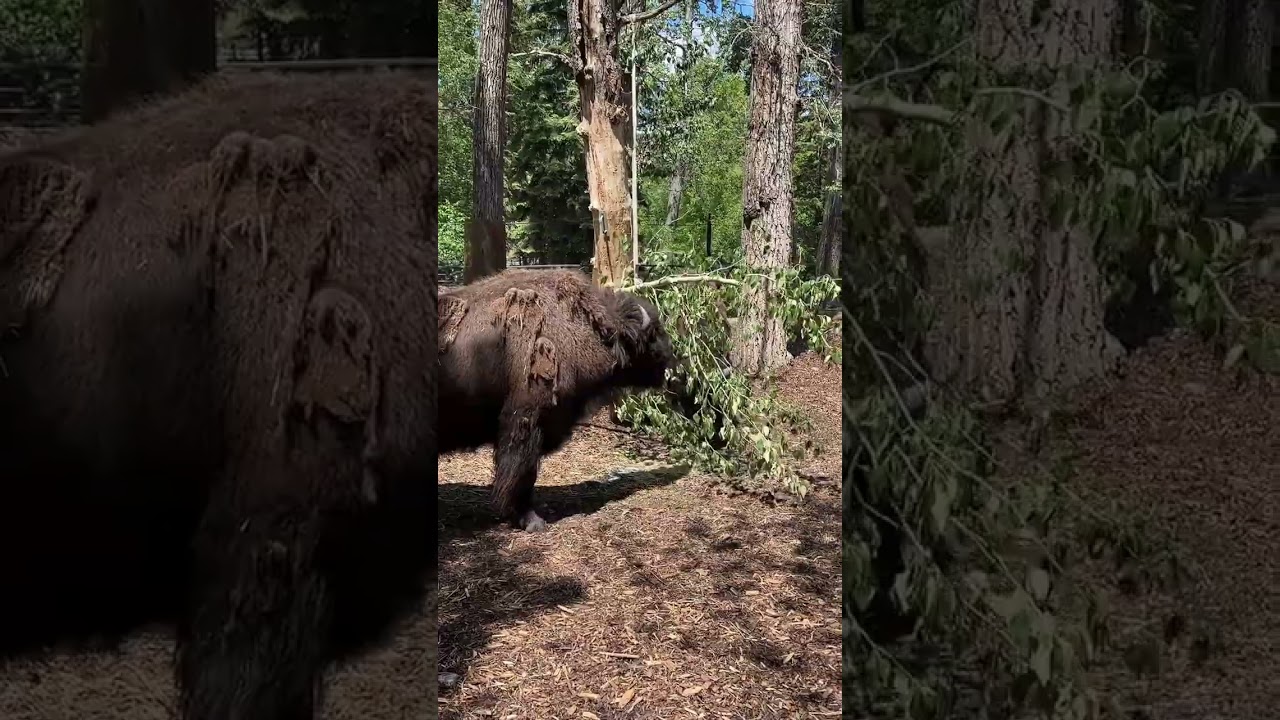
Windy days bring a windfall of delicious browse! 🌬️
After stormy days, fallen branches go to good use around the zoo – especially if they are full of leaves! Our female wood bison ‘Taiga’ had lots to munch on after a windy weekend – a sustainability win that cleans up grounds and fills bellies! 😋
#YourZooYYC
