
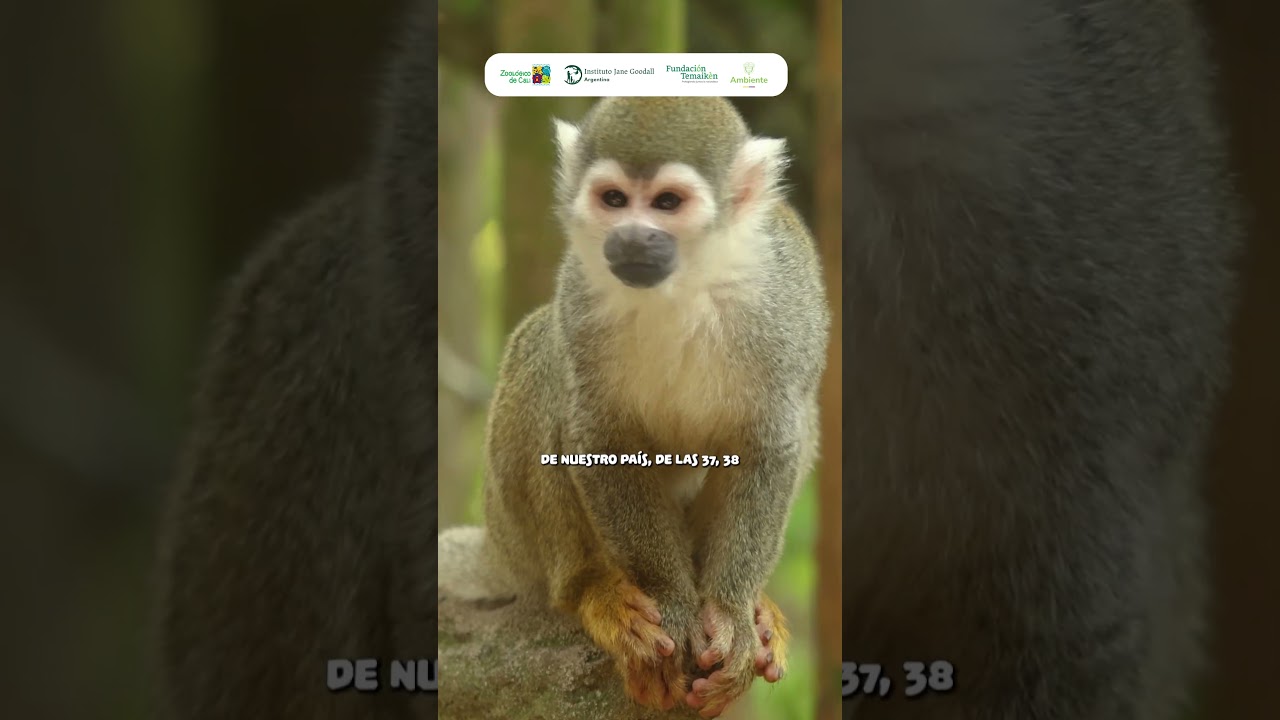
- Introduction to Taller Manejo Integral de Primates and its significance in wildlife conservation.
- Key strategies employed in the management and rehabilitation of primates.
- The role of research and education in promoting primate welfare.
- Challenges faced by conservationists in primate protection and management.
- Success stories and future directions for Taller Manejo Integral de Primates.
Taller Manejo Integral de Primates is a cornerstone initiative in primate conservation, aiming to bolster wildlife management efforts through advanced methodologies and interdisciplinary collaboration. This program focuses on the comprehensive care of primates, emphasizing not only their physical well-being but also their ecological importance and behavioral needs. Such initiatives are critical in regions where habitat loss and illegal wildlife trade pose severe threats to primate populations.
The strategies employed in managing and rehabilitating primates under this program are multifaceted and dynamically evolving. First, habitat enrichment is imperative. Providing environments that mimic natural habitats is crucial for the psychological and physical health of primates. This includes varied terrains, climbing structures, and activities that stimulate natural behaviors such as foraging.
Furthermore, medical care and nutritional management play central roles. The care of captive primates requires detailed nutritional plans to meet their specific dietary needs, replicating their wild diets as closely as possible. Veterinary care must include regular health check-ups, disease prevention measures, and emergency medical interventions.
Behavioral studies are another integral component, as understanding the social dynamics and needs of primates ensures better management. Social enrichment is achieved by facilitating group interactions that reflect natural troop structures, thereby promoting social skills and reducing stress-related behaviors.
Research and education form the backbone of Taller Manejo Integral de Primates. Engaging in and promoting research on primate biology, ecology, and conservation methods furthers knowledge and informs management practices. Education initiatives aimed at the public and stakeholders highlight the significance of primates in ecosystems and the urgent need for conservation efforts.
Community involvement is pivotal for the success of these education efforts. Programs that educate local communities on the value of primates and forests can foster a conservation mindset, reducing the likelihood of conflict and poaching. Interactive workshops and seminars can help build local capacities in wildlife stewardship, instilling a sense of responsibility and hope for future generations.
Despite its successes, the program faces notable challenges. Deforestation and habitat fragmentation remain significant threats, as they directly affect primate populations by reducing available living space and resources. Illegal wildlife trade continues to be a major concern, necessitating stronger enforcement of wildlife protection laws.
Human-primate conflict is another pressing issue. As human settlements expand, primates often find themselves in closer proximity to communities, leading to potential conflicts. Implementing conflict mitigation strategies, such as crop protection measures and community awareness programs, is essential for reducing tensions.
Amidst these challenges, there are remarkable success stories that inspire hope. The rehabilitation of primates that have been rescued from illegal trade or displacement is one such achievement. These animals, after undergoing medical treatment and social rehabilitation, can often be reintroduced into the wild or placed in sanctuary settings where they contribute to genetic diversity and species continuity.
Looking forward, Taller Manejo Integral de Primates aims to broaden its impact by integrating more advanced technologies. GPS tracking and drone monitoring can provide real-time data on primate movements and habitat use, facilitating better protection strategies. Genetic studies and reproductive technologies also hold promise for enhancing conservation outcomes.
Collaborations with global conservation organizations and academic institutions can enhance resource sharing and knowledge exchange, making conservation efforts more effective. The success of this program will increasingly rely on a balanced approach that combines traditional conservation techniques with emerging innovations.
Through its comprehensive approach, Taller Manejo Integral de Primates embodies a model of conservation that not only seeks to protect and preserve primate populations but also to foster a harmonious coexistence between humans and wildlife. This serves as a testament to the resilience and adaptability required in modern conservation strategies.
*****
Source Description
🐒 Así vivimos el Taller de Manejo Integral de Primates.
Fueron días de aprendizaje, intercambio de experiencias y actualización de conocimientos alrededor del cuidado, manejo y bienestar de estos
animales.
Agradecemos a todos los participantes, expertos e instituciones que hicieron parte de este espacio de formación y construcción conjunta.
Seguimos trabajando para fortalecer las capacidades de quienes dedican su labor al cuidado y la conservación de la biodiversidad. 💚
