
- World Wildlife Conservation Day: Its Significance
- Overview of the National Aviary and Project Owlnet
- The Importance of Northern Saw-whet Owls in Ecosystems
- Community Involvement and Citizen Science
- What You Can Do to Support Wildlife Conservation
World Wildlife Conservation Day, observed annually, provides an excellent opportunity to highlight the importance of protecting our planet’s biodiversity. This day encourages efforts to safeguard wildlife and their habitats, recognizing the role each species plays in sustaining the balance of ecosystems. It aims to inspire individuals to take part in conservation initiatives, fostering a deeper understanding of the urgent need for biodiversity preservation.
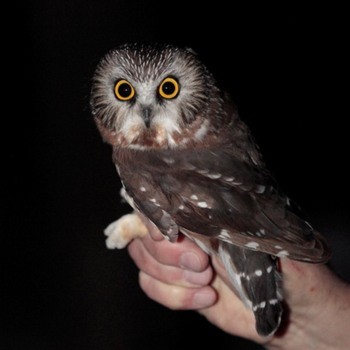
The National Aviary, located in Pittsburgh, Pennsylvania, stands as a beacon for wildlife education and conservation. Since 2013, it has been leading the largest owl migration banding project in Western Pennsylvania. This ambitious initiative, known as Project Owlnet, focuses on documenting the migration patterns of Northern Saw-whet Owls. Under the guidance of Aviary Ornithologist Bob Mulvihill, approximately 340 of these small owls have been captured and logged during their migration through the Pittsburgh area. The insights gained from these activities contribute significantly to our understanding of these birds.
The Northern Saw-whet Owl, a species that is one of the smallest owls in North America, plays a critical role in its ecosystem. These nocturnal hunters help control populations of small mammals, such as mice and voles. By preying on these animals, they maintain a population balance, which in turn supports plant life. In capturing and studying these owls, the National Aviary gains essential information on their migratory behavior, habitat preferences, and overall health, contributing invaluable data to ornithological research.
Community involvement is a cornerstone of wildlife conservation efforts like Project Owlnet. The project has opened its doors to citizen scientists, enabling individuals from various backgrounds to engage directly in owl research. Participants learn how to band owls safely, record data, and contribute to meaningful research all while deepening their passion for conservation. Such initiatives not only offer hands-on experience but also business the importance of public engagement in scientific research.
For those interested in supporting wildlife conservation, numerous opportunities are available. Donating to organizations dedicated to wildlife protection is one way to make an impact. Volunteering for local conservation projects or participating in citizen science initiatives are also effective methods to contribute to wildlife research and habitat preservation. Additionally, advocating for sustainable practices in your community can help promote awareness and education focused on wildlife conservation.
Understanding and engaging in the efforts like those of Project Owlnet can empower individuals to contribute to greater goals in wildlife conservation. By fostering collaboration among scientists, local organizations, and community members, we can make strides in ensuring the survival of species that are vital to our ecosystems. This collective endeavor is essential in creating a sustainable future where other species can continue to thrive, thereby enriching our shared natural world.
World Wildlife Conservation Day serves as an important reminder of the challenges wildlife faces today, from habitat loss to climate change. Programs like Project Owlnet highlight the importance of ongoing research and conservation efforts. As we strengthen our commitment to wildlife conservation, initiatives that engage the community and promote education will become key strategies in protecting our natural resources.
The National Aviary’s Project Owlnet not only contributes to knowledge about Northern Saw-whet Owls, but also provides valuable insights into broader ecological dynamics. This project emphasizes that even small species have vital roles. As citizen scientists and conservation enthusiasts learn about these owls, they also grasp the interconnectedness of all species within their habitats. Each owl caught is a data point that gathers collective knowledge about migration routes, breeding patterns, and even the health of local ecosystems.
Through the various stages of Project Owlnet, participants can observe the significance of preserving natural habitats. These environments provide not only shelter but also food sources for these owls and countless other species. Maintaining the health of these ecosystems requires the collective efforts of communities, researchers, and policy-makers. Efforts to protect Appalachian forests and other migratory routes are fundamental for the survival of countless species, including the Northern Saw-whet Owl.
The National Aviary’s initiatives serve as models for other organizations. By prioritizing scientific research, education, and community involvement, they illustrate the multifaceted approach required in wildlife conservation. Engaging with local communities fosters stewardship of natural spaces, empowering individuals to take action for wildlife and plant life in their surroundings.
Public awareness is pivotal to wildlife conservation. As more people learn about the challenges faced by species like the Northern Saw-whet Owl, they become advocates for change. Education campaigns, both online and offline, can spread the message about the importance of preserving not just owls but all wildlife. Support from the public fosters a culture of conservation, wherein communities actively participate in preserving their environment.
If you wish to actively engage in research on one of the smallest owl species, visiting the National Aviary’s Project Owlnet page offers insights on how to get involved. Opportunities to volunteer, attend workshops, and contribute to ongoing studies are readily available. Being part of such initiatives enhances an individual’s understanding of wildlife conservation while enabling them to leave a tangible impact on the future of their local ecosystems.
Wildlife conservation is a shared responsibility. While organizations like the National Aviary spearhead invaluable projects, community involvement is essential for impactful change. Efforts from individuals and local groups can amplify the scientific findings of projects like Project Owlnet. Citizen science initiatives often bring together diverse skills and perspectives that enhance research quality and expand knowledge.
By participating in wildlife conservation efforts, one also begins to appreciate the broader implications of their actions. It highlights the connection between human activity and ecosystem health. Sustainable habits, such as reducing waste, conserving energy, and supporting local wildlife habitat restoration, can make significant differences in local biodiversity.
Empowering local communities is an ongoing journey. Conservation education fosters a sense of ownership over local ecosystems. By participating in projects like the National Aviary’s Project Owlnet, individuals contribute to a larger narrative of environmental stewardship. The shared ethos of caring for our natural world leads to informed decisions that support wildlife conservation.
Additional resources, tools, and opportunities continue to emerge for those committed to wildlife conservation. Keeping abreast of the latest developments in conservation science, such as those related to Project Owlnet, can offer further avenues for engagement and action. Community meetings, educational workshops, and public presentations provide existing and potential advocates a deeper understanding of their role in wildlife preservation.
Connecting with local conservation organizations can further broaden the impact of individual efforts. Participating in community restoration projects, wildlife workshops, and children’s educational programs can be extremely rewarding. Together, all can amplify the significance of animal and plant conservation within their communities.
As we recognize World Wildlife Conservation Day, it’s important to appreciate the strides made in projects like Project Owlnet. These efforts shed light on the importance of each species, encouraging a collaborative approach for research and advocacy. Understanding the world of wildlife conservation will continue to be a pivotal aspect as we strive to protect the biodiversity of our planet today and for generations to come.
The National Aviary remains a critical hub for wildlife research, education, and conservation. Its leadership in the owl migration banding project illustrates how scientific inquiry and community involvement can come together to foster a climate of awareness and stewardship. Wildlife conservation demands ongoing attention, and initiatives like Project Owlnet will play an essential role in understanding and preserving the delicate balance of our ecosystems.
*****
Source Description
Today is World Wildlife Conservation Day. the National Aviary has operated the largest owl migration banding project in Western Pennsylvania since 2013! 🦉
Through Project Owlnet, Aviary Ornithologist Bob Mulvihill has documented approximately 340 Northern Saw-whet Owls on their migrations through the Pittsburgh area!
Learn more about Project Owlnet and how you can play a role in researching one of the world’s smallest owl species: https://www.aviary.org/conservation/community-science/project-owlnet/
