
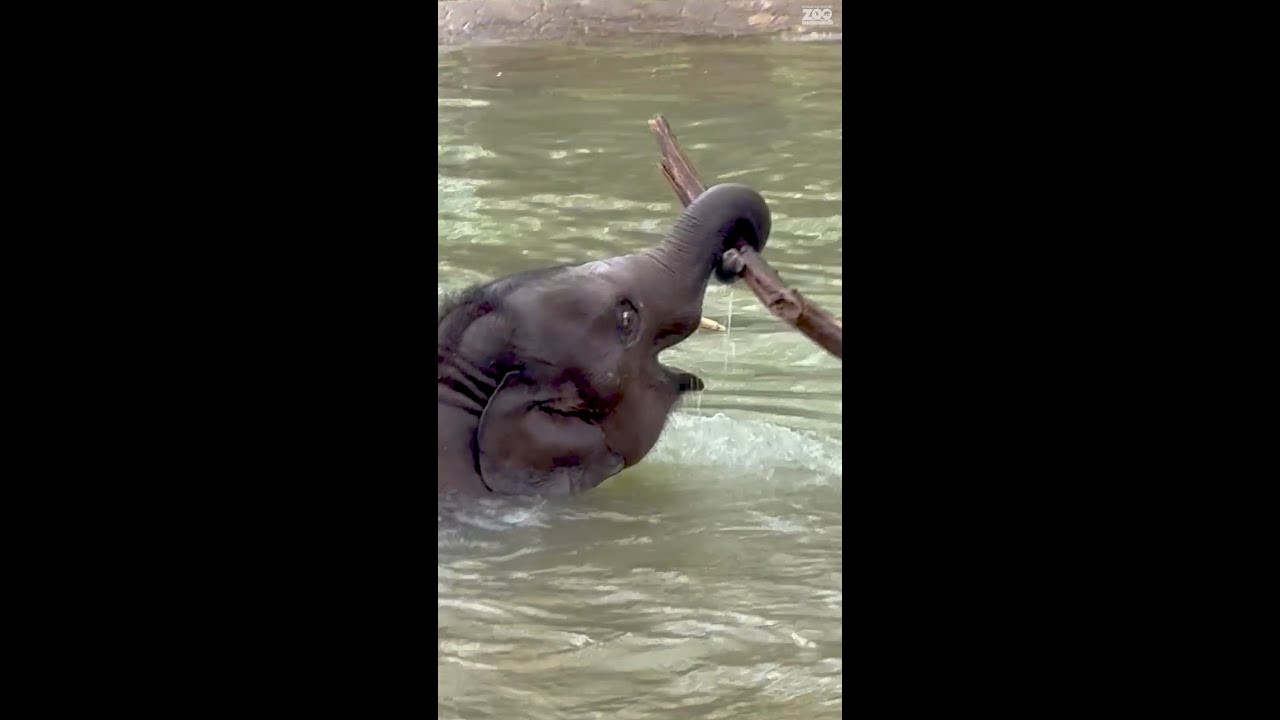
- Baby elephants’ playful behavior in water and its significance for physical development.
- The role of zoo environments in replicating natural habitats for elephants.
- Understanding the social dynamics and bonding among elephants during play.
- Importance of water-based stimulation for mental health and overall well-being.
- Conservation efforts and challenges faced by elephants, highlighting the role of zoos.
Baby elephants, with their delightful antics and natural curiosity, provide a fascinating glimpse into the early stages of an elephant’s life. Observing a baby elephant enjoying time in a pool, as depicted in many engaging wildlife videos, offers insights into essential aspects of their development, behavior, and conservation.
Playful Behavior and Physical Development
Play is crucial for baby elephants. It contributes to their physical strength and agility. During these playful water sessions, young elephants engage in activities that stimulate their muscles and coordination. Splashing, diving, and mock fighting in the water are not merely for amusement. These actions help develop motor skills and muscle tone. They practice balance and spatial awareness in a buoyant environment, a safe way to learn without risk of injury.
The physical benefits extend to cardiovascular health. Splashing around boosts their heart rate, much like exercise benefits humans. This is vital for developing the endurance they’ll need as they grow. Such activities in water also help cool them off and keep their skin hydrated, especially in warm climates.
Zoo Environments and Natural Habitat Replication
Modern zoos play a pivotal role in mimicking natural habitats to cater to the needs of elephants. For instance, pools and mud wallows are designed to resemble the plains and lakes found in their native environments. This replication is critical for their behavioral enrichment and psychological health.
Zoos with well-designed enclosures offer elephants opportunities to indulge in natural behaviors. The depth, temperature, and surrounding vegetation of pools are carefully crafted to provide a safe and stimulating environment. This attention to environmental complexity enables elephants to exhibit a range of activities they would typically engage in the wild, ensuring their contentment and engagement with their surroundings.
Social Dynamics and Bonding Through Play
Elephant society is rich with social interactions. Baby elephants gain invaluable experience through play, which often involves social bonding within the herd. Water play often involves not just the young ones but also older elephants, who guide and protect them.
Through these interactions, baby elephants learn crucial social skills that will help them navigate adulthood. The social fabric of elephant societies is intricate, with strong matriarchal leadership. Play in a communal setting fosters these bonds and establishes hierarchies that are essential for the group’s survival. Herd members teach the young about boundaries and communication, vital for their future roles within the group.
Mental Health and Well-being
Water-based play is also essential for mental stimulation. Elephants are intelligent creatures that require constant engagement to prevent boredom and stress. Access to pools encourages exploratory behavior and problem-solving, both of which promote cognitive development.
Mental well-being in elephants is linked to reduced behavioral issues, such as stereotypies, which can occur in captive settings when animals are not adequately enriched. Ensuring young elephants have the opportunity to engage in rich, varied activities helps maintain their mental health. The calming effect of water, combined with the joy of splash play, significantly contributes to their happiness and reduces stress levels.
Conservation Efforts and Challenges
Elephants face significant conservation challenges, including habitat loss and poaching. The role of zoos in conservation education is crucial. By showcasing the playful nature of baby elephants and their dependence on communal life and rich habitats, zoos inspire public interest and support for conservation initiatives.
Educational programs and public engagement activities highlight the importance of preserving natural habitats and protecting wild elephant populations. Rehabilitation and breeding programs in zoos aim to ensure genetic diversity and prepare elephants for potential reintroduction into the wild.
However, these conservation efforts are not without challenges. Wildlife conservation requires continuous funding, research, and community involvement. Effective strategies depend on international cooperation and public awareness to address the multifaceted threats elephants face. Zoos often collaborate with wildlife reserves and scientists to develop more sophisticated methods of protecting these charismatic giants.
In summary, the joyous sight of a baby elephant frolicking in a pool reflects significant aspects of their biology, ecology, and human efforts to secure their future. Through water play, these young elephants grow stronger, smarter, and well-adjusted, embodying the hopes of conservationists worldwide. The responsibility and opportunity to contribute to their well-being extend beyond the confines of zoos, into global commitments to preserve our planet’s irreplaceable wildlife.
*****
Source Description
Is your pool open for the summer? Our elephant pool sure is! Doesn’t matter the weather, the #EleTwins (especially Tukada) love splish splashing about! Check out this video of Tukada playing with his favorite pool toy – a very buoyant stick!
Our elephant’s 50,000-gallon watering hole goes from 3 to 6 feet deep. The pool was one of the first in North America with a green infrastructure bio-filtration system that produces zero impact on municipal stormwater and sewer systems.
#Syracusezoo #Syracuse #CNY #EleTwins #AsianElephant #OnondagaCounty #OnondagaCountyParks
