
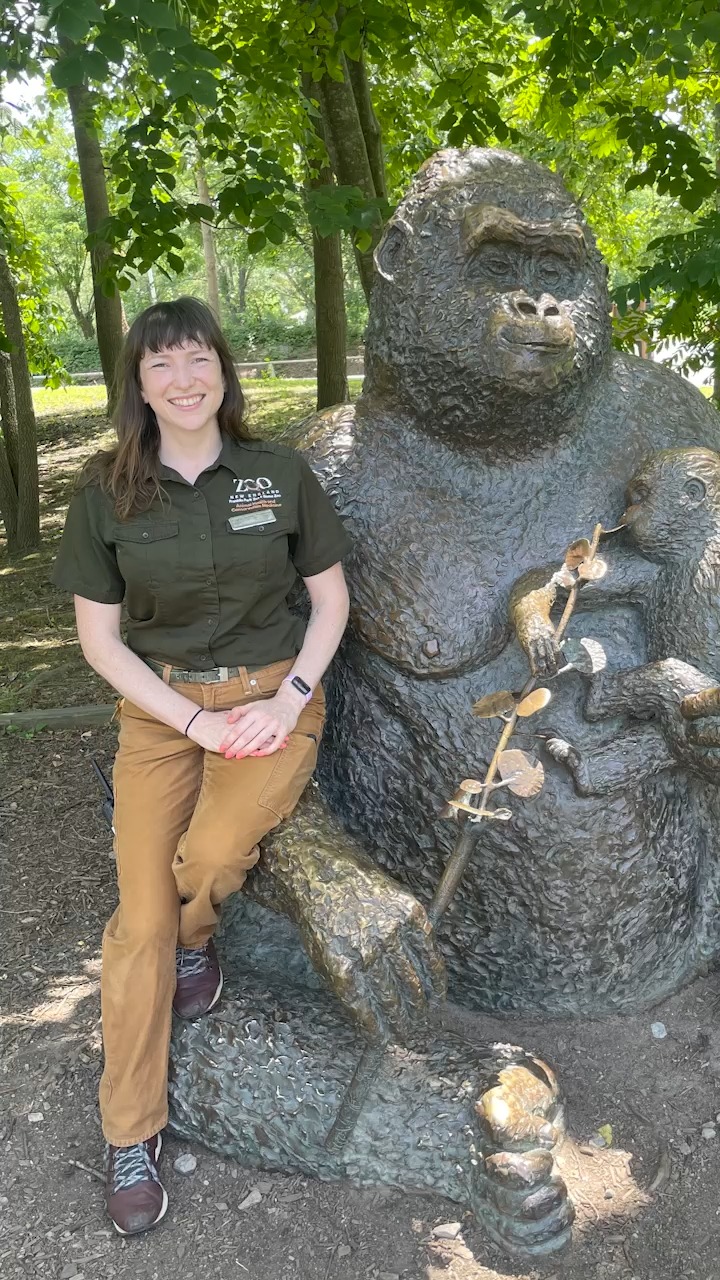
- The diverse responsibilities of a zoo veterinary team at Zoo New England
- Day-to-day activities of Dr. Abby Needleman, a zoo veterinarian
- Challenges and rewards of veterinary care for a wide range of species
- The role of veterinary medicine in wildlife conservation
- Importance of public engagement and education in zoos
The veterinary team at Zoo New England faces a dynamic work environment. Caring for animals at two separate facilities—Franklin Park Zoo and Stone Zoo—requires adaptability and a diverse skill set. The team encounters a broad spectrum of species, from massive giraffes to diminutive frogs. Each animal presents unique challenges and care requirements, making veterinary work at the zoo both engaging and complex. For World Veterinary Day, Dr. Abby Needleman provides insight into her daily routine and the multifaceted role of zoo veterinarians.
Veterinary medicine in a zoo setting requires a thorough understanding of animal health, behavior, and welfare. Working at Zoo New England, the veterinary team must remain vigilant and proactive in their approach to animal care. They perform routine health checks, administer vaccinations, and conduct diagnostic tests. Each species has distinct medical needs, emphasizing the importance of specialized knowledge. For example, the care of reptiles greatly differs from that of mammals, necessitating differing nutritional requirements and husbandry practices.
Dr. Abby Needleman’s day begins with morning rounds. This initial assessment involves checking on the animals, observing any behavioral changes, and ensuring they are thriving in their habitats. During the rounds, she notes any signs of illness or distress, documenting these observations for follow-up care. Early detection of health concerns is critical; many conditions can progress rapidly if not addressed promptly.
After rounds, Dr. Needleman often transitions to the animal hospital, where she may assist with surgeries or other clinical procedures. Zoo veterinarians use various medical techniques to treat animals. For instance, imaging technologies such as ultrasound and X-rays enable the team to make informed decisions about treatment plans. Educating staff on how to safely handle each species is vital in ensuring both animal welfare and staff safety during such procedures.
In addition to performing surgeries and hospital procedures, Dr. Needleman engages in preventive care. Regular vaccinations prevent diseases that could compromise animal populations or, in some cases, pose risks to humans. This aspect of veterinary care becomes increasingly relevant in light of emerging zoonotic diseases—illnesses that can be transmitted from animals to humans. This underscores the necessity for vigilance in wildlife health management.
The varied zoo environment also poses its challenges. The logistics of commuting through Boston traffic can be strenuous. However, the connection between the two zoos allows for shared knowledge and resources. This collaboration is essential, particularly for species that exist at both locations. Consequently, Dr. Needleman may coordinate care for specific animals that transition between the zoos, ensuring continuity and consistency in health care protocols.
One notable aspect of zoo veterinary work is the emphasis on behavioral enrichment. Enrichment activities are designed to stimulate an animal’s natural instincts and promote psychological well-being. While Dr. Needleman monitors animal health, she also collaborates with zookeepers to implement engaging activities that encourage species-specific behaviors. For example, creating environments that mimic the animals’ natural habitats is crucial for reducing stress and promoting overall wellness.
Furthermore, public engagement plays a pivotal role in creating awareness about wildlife conservation. As part of her duties, Dr. Needleman regularly interacts with zoo visitors and participates in educational programs. By sharing insights into animal care, she fosters a greater appreciation for wildlife, its diversity, and the challenges it faces in the wild. Enhancing public knowledge is integral to promoting conservation initiatives and establishing a connection between the public and the natural world.
Veterinary medicine is an essential component of wildlife conservation efforts. As ecosystems face mounting threats from habitat loss, climate change, and human encroachment, effective health management is key to sustaining wildlife populations. The veterinary team at Zoo New England applies their expertise not only to the animals in their care but also to broader conservation efforts, participating in research projects and collaborating with wildlife organizations.
In addition to their direct care responsibilities, zoo veterinarians like Dr. Needleman contribute to scientific knowledge. They might conduct research on animal diseases or reproductive health, sharing findings that can influence conservation policies. Such research informs ecological strategies aimed at preserving endangered species and restoring their habitats.
Zoo veterinary medicine has evolved significantly over the years. Improved understanding of animal health, advancements in medical technology, and a focus on conservation have redefined the role of veterinarians in zoos. Ongoing training and education allow veterinarians to remain at the forefront of animal care. Dr. Needleman participates in workshops and conferences, enhancing her skills and knowledge base to deliver the best possible care to her patients.
This commitment to continuous learning, along with the role of technology in modern veterinary practice, helps the team navigate the complexities of animal health care. For instance, telemedicine offers new avenues for diagnosing and treating zoo animals, creating efficiencies in the care process. In some cases, veterinarians can remotely monitor an animal’s health metrics, facilitating timely interventions.
Another critical element of zoo veterinary practice involves collaboration with governmental and non-governmental organizations. Veterinarians often partner with wildlife agencies to contribute their expertise in managing wild populations. For instance, the capture and rehabilitation of injured animals require veterinary involvement to ensure safe handling and appropriate medical care before releasing the animal back into its habitat.
Through collaboration, veterinarians can also contribute to broader public health initiatives. The knowledge and experience gained in zoos can be beneficial when addressing wildlife-human interactions and the potential for disease transmission. Dr. Needleman’s involvement in public health discussions highlights the interconnectedness of ecosystems and human health.
Providing veterinary care in a zoo environment is both rewarding and demanding. The visible improvements in animal health and well-being result from thorough assessments and dedicated interventions. However, the potential challenges can be daunting. Careful attention to both physical and mental health helps ensure animals thrive in a controlled environment.
The varied responsibilities and duties associated with veterinary care at Zoo New England create a fulfilling and dynamic work life. Dr. Needleman exemplifies the commitment and passion that drives zoo veterinarians. A blend of practical skills, scientific knowledge, and conservation values informs her daily practice.
In the context of wildlife conservation, the work of zoo veterinarians has a lasting impact. Effective veterinary care can contribute to the recovery of endangered species and healthier ecosystems. The veterinary team plays an invaluable role in both animal health and environmental stewardship, ensuring that future generations can appreciate the beauty and diversity of wildlife.
Public engagement through educational programming is vital in spreading awareness about wildlife conservation. By participating in community discussions and outreach projects, zoo veterinarians help cultivate a greater understanding of the challenges facing wildlife. Their efforts foster a collective responsibility towards protecting these species and their habitats.
Zoo New England’s hardworking veterinary team remains committed to providing exceptional care for their diverse animal residents. Their multifaceted roles encompass clinical practice, research, education, and conservation efforts. By highlighting the work of veterinarians like Dr. Needleman, we can foster a deeper appreciation for the vital contributions they make to wildlife conservation and public understanding. Effective veterinary care is essential in preserving our planet’s biodiversity, ensuring that the future of wildlife is secured for generations to come.
*****
Source Description
Our veterinary team at Zoo New England is busy. They care for animals at two separate zoos — Franklin Park Zoo and Stone Zoo — and their patients can be as large as a giraffe or as small as a frog. With patients so diverse and a commute that takes them through the thick of Boston traffic (IYKYN), no two days are the same. But our amazing veterinarians are up to the task!
For World Veterinary Day, follow along with one of our veterinarians, Dr. Abby Needleman, to see what goes into a day in the life of a zoo vet!
