
- The role of veterinary professionals in aquariums
- Daily responsibilities of Dr. Katie and her team
- Importance of animal health checks and treatments
- The educational aspect of working in a public aquarium
- Conservation efforts and their significance in zoos and aquariums
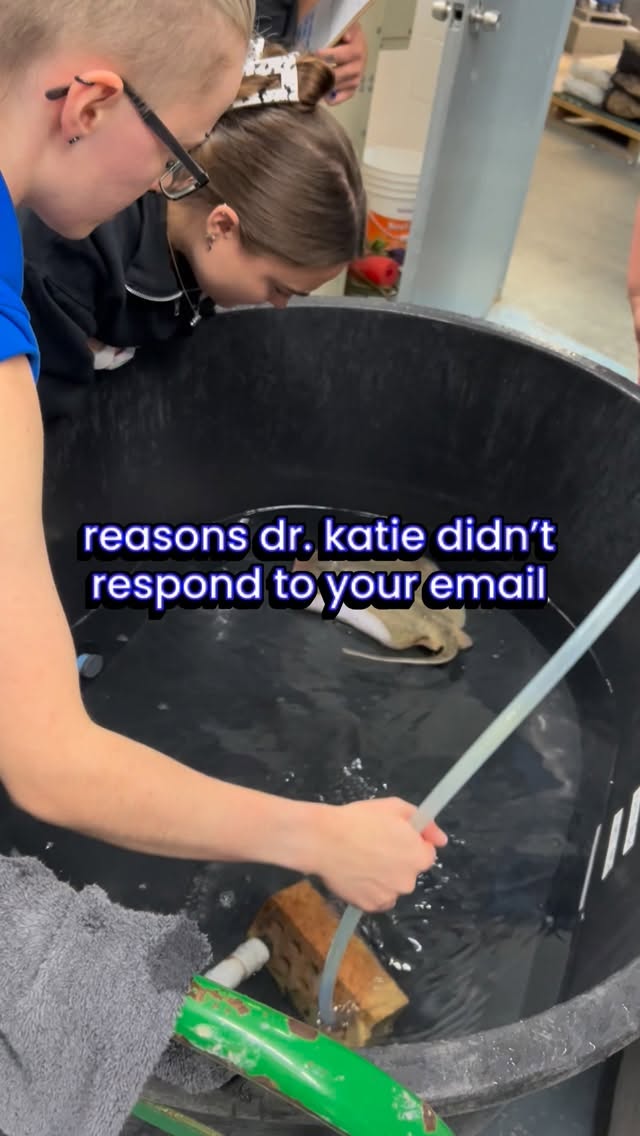
Veterinary professionals play a crucial role in maintaining animal health in aquariums. They monitor the well-being of marine creatures, ensuring each species thrives in a safe environment. Dr. Katie, along with her veterinary technician Jordan, embodies the commitment needed to keep the animals at the Aquarium of Niagara healthy and vibrant. Both offer their skills and expertise to perform regular health checks and advanced medical procedures. Their dedication reflects the aquarium’s mission to educate the public while promoting wildlife conservation efforts.
Daily responsibilities for professionals like Dr. Katie can vary widely. Each morning often begins with routine health checks, assessing the condition of all animals from fish to larger marine mammals. During these assessments, they look for signs of stress, disease, or injury. Regular monitoring is vital. It helps in identifying potential health issues before they escalate. This proactive approach maximizes the likelihood of a positive outcome for the animals, reducing the risk of serious complications.
Another significant aspect of their work involves medical procedures. This may include administering vaccinations, performing surgeries, or treating injuries resulting from fights or environmental issues. The types of treatments vary greatly based on the species being cared for. For instance, fish may require different treatment protocols compared to marine mammals like seals or otters. The diversity of species in an aquarium necessitates a broad skill set for veterinary staff.
The educational role of aquariums cannot be underestimated. They serve as accessible platforms for the community to learn about marine life and environmental stewardship. By engaging with visitors, Dr. Katie and Jordan provide valuable information on animal care and conservation. They often give presentations about the species in their care and what individuals can do to help protect marine ecosystems. This interaction is crucial as it fosters a sense of responsibility towards wildlife among the public.
Aquariums also play a significant role in conservation efforts. They often participate in breeding programs designed to boost endangered populations and develop species recovery plans. Projects like these not only benefit the animals in the aquariums but also contribute positively to the ecosystems where these species are naturally found. For instance, the breeding of certain fish species can help restore wild populations. This not only aids biodiversity but also supports the overall health of marine habitats.
Moreover, the work of veterinarians extends beyond animal care to include research initiatives. Dr. Katie and her team may engage in research that contributes to the broader understanding of marine health and animal behavior. Information gathered can be valuable not only at the Aquarium of Niagara but also in other zoological institutions globally. The sharing of this knowledge fosters collaboration and pushes the boundaries of what is understood about animal care and wildlife management.
Public engagement is also vital to their work. Dr. Katie is not just a caregiver but also a teacher. Every interaction with visitors is an opportunity to inspire interest in marine biology. This passion and knowledge can lead to conservation advocates among the public. Educating one person at a time creates a ripple effect, influencing collective attitudes toward wildlife preservation.
In addition to direct animal handling, logistical organization is essential. Veterinary staff must keep accurate records for each animal, documenting health issues, treatments, and responses to various medications. This meticulous tracking is critical for understanding long-term health trajectories and informing future medical decisions. It also allows the team to identify trends in animal health, aiding in immediate and long-term care strategies.
The diverse tasks undertaken by veterinary staff highlight the intersection of animal welfare and science. Developing treatment plans often requires a combination of observational skills and scientific knowledge. It’s essential to stay updated with the latest research in veterinary medicine and animal care techniques. Regular training sessions and professional development opportunities ensure that all staff maintain the high standards required for effective animal care.
Maintaining the aquarium facilities is also part of their busy routine. Proper tank management, including water quality monitoring and environmental enrichment, is foundational. Fish and other aquatic animals need a habitat that mimics their natural environment as closely as possible. Regular water testing for parameters such as pH, salinity, and temperature is standard practice. This work is vital for preventing stress and illness among the Aquarium’s inhabitants.
In engaging with the community, Dr. Katie often focuses on the importance of sustainability. Educational sessions include information on reducing plastic waste, recycling efforts, and supporting marine conservation projects. Such initiatives are significant, especially given the increasing threats posed by pollution and climate change. By equipping the public with knowledge, aquariums help build a proactive approach to environmental issues.
Dr. Katie and her team also collaborate with local organizations and universities to facilitate conservation research projects. These joint efforts tackle pressing environmental challenges, reinforcing the idea that teamwork extends beyond aquarium walls. Engaging with external experts allows for a more comprehensive approach to wildlife management.
Animal behavior studies also form part of their work. Understanding how animals interact within their environments provides insights into species needs. Behavioral observations can inform changes in care protocols, and sometimes even lead to new approaches in conservation strategies. By studying natural behaviors, veterinary teams can create enriching environments that allow animals to display their instincts.
The importance of animal welfare cannot be overstated. A healthy animal is often a happy animal, and their overall well-being contributes to successful breeding programs and educational experiences. Veterinary staff aim to understand individual animal personalities and preferences. Customizing care in this way can significantly enhance the quality of life for every creature, whether through dietary adjustments or habitat modifications.
The quest for new knowledge in zoology and veterinary medicine never ends. Dr. Katie and her team are always looking for ways to integrate new findings into their practice. This includes attending conferences and workshops, providing opportunities to connect with other professionals. By remaining connected to the broader scientific community, they can incorporate innovations into the Aquarium’s practices.
The work of veterinarians in settings like the Aquarium of Niagara is integral to the success of marine conservation. Their multi-faceted responsibilities keep them very busy, but every task serves a greater purpose. Each health check, treatment, and educational session contributes to the enrichment of the animals’ lives and the broader mission of conservation.
The presence of passionate veterinary staff enhances the public’s experience at the aquarium. Visitors often leave with a deeper understanding and appreciation of marine life. By actively participating in programs and events, Dr. Katie and her team become vital to fostering a connection between the public and the aquatic world.
This ongoing engagement influences not only individual attitudes but also prompts collective action. By learning about the challenges faced by marine species, visitors may feel empowered to contribute to conservation efforts in their own communities. Raising awareness about local issues related to oceans and waterways is crucial in the fight against environmental degradation.
As dedicated professionals, Dr. Katie and Jordan help pave the way for a future where marine life is celebrated and protected. Their busy schedules, filled with various responsibilities, highlight the intricacies involved in aquarium management. It’s all about working tirelessly for the betterment of animal welfare.
Every day brings new challenges, but also opportunities for growth and education. The commitment of professionals like Dr. Katie showcases that caring for marine animals in an aquarium setting is as much about passion as it is about expertise. Their efforts are a testament to the essential link between education, care, and conservation, ultimately inspiring future generations to cherish and protect the world’s oceans and their inhabitants.
*****
Source Description
Talk about keeping yourself busy! Dr. Katie is always up to something around the Aquarium of Niagara. 🩺 From routine animal checks to more advanced procedures, Dr. Katie and our vet tech, Jordan, are integral to the continued wellbeing of the animals at the Aquarium. @AqNiagara is incredibly lucky to have such a talented vet staff! (Just give them a break if it takes them a minute to respond…)
Happy
