
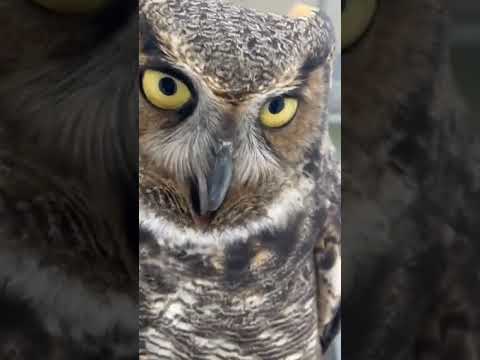
- The importance of narrators in animal conservation and education, exemplified by Every Story Needs a Narrator 🦉.
- The role of zoos in wildlife conservation and public education.
- The significance of zoology knowledge in enhancing zoo management.
- Approaches to wildlife conservation, focusing on sustainable practices and community engagement.
- The impact of storytelling and interactive experiences on public awareness and interest in conservation efforts.
Every Story Needs a Narrator 🦉 is a poignant example of integrating storytelling into the broader mission of zoos: conservation and education. Narrators play a crucial role in bringing the stories of animals and ecosystems to life, making them relatable to visitors. This not only heightens interest but also imparts vital knowledge critical for wildlife preservation. In the intricate dance between entertainment and education, narrators serve as a bridge, connecting audiences with the silent narratives of the natural world.
Zoos, as pillars of wildlife conservation, leverage societal interest to bolster public education about biodiversity. They offer a rare glimpse into the lives of creatures from diverse habitats. Housing these animals in a simulated natural environment enables zoos to underscore the importance of conservation efforts. Narrators, who guide visitors through these ecosystems, enhance the experience by adding layers of context. They provide insights into animal behavior, adaptation, and the challenges these species face in the wild. This approach helps nurture a conservation mindset among visitors, transforming them into advocates for wildlife protection.
Understanding zoology is pivotal in elevating zoo management practices. Zoos are not mere exhibits but are complex systems requiring in-depth scientific knowledge to function effectively. Zoologists play a crucial role in designing environments that mimic natural habitats, ensuring the well-being of both flora and fauna. They study animal health, behavior, nutrition, and genetics to develop strategies that support captive breeding programs and encourage biodiversity. Knowledge acquired through zoology aids in optimizing breeding efforts, thus increasing population numbers of endangered species. Such initiatives are vital for species that cannot survive in their natural environment due to external threats like habitat destruction and climate change.
Wildlife conservation is a multifaceted endeavor, necessitating sustainable practices and community participation. Conservation strategies focus on habitat preservation, species restoration, and mitigating human-animal conflict. Effective conservation efforts depend on local communities understanding and valuing the natural ecosystems around them. Education and outreach programs strive to instill a sense of stewardship in these communities, fostering partnerships that prioritize ecosystem health. By addressing the root causes of threats to biodiversity, conservationists aim to create a symbiotic relationship between humans and nature.
Storytelling and interactive experiences elevate public awareness and interest in conservation. Narratives, like those in Every Story Needs a Narrator 🦉, captivate audiences, making complex ideas accessible and engaging. When visitors to zoos hear the story of an animal’s migration or struggle for survival, they develop an emotional connection to these creatures. Interactive exhibits and digital media further enrich this experience, providing dynamic ways for audiences to engage with content. This methodology plays a pivotal role in transforming passive observers into active participants in conservation efforts.
By exploring these themes, we can appreciate the profound impact zoos and narrators have on public education and wildlife conservation. They play a significant role in shaping perceptions and actions regarding biodiversity. As society continues to grapple with environmental challenges, the narratives crafted by these educational institutions remain more vital than ever, serving as a beacon of hope for the preservation of our planet’s irreplaceable wildlife.
*****
Source Description
