
-
Explore the impact of animal enrichment activities, like soccer, on zoo animals’ physical and mental well-being.
-
Understand how engaging in playful behaviors reflects natural instincts and social structures among captive wildlife.
-
Examine the role of zoological institutions in promoting conservation through interactive animal programs.
-
Highlight the importance of public engagement and education in wildlife conservation initiatives through zoo activities.
-
Discuss the ethical considerations and welfare standards in implementing enrichment programs for zoo animals.
Animal enrichment is a crucial aspect of modern zoological practices, aimed at enhancing the welfare of animals in captivity. Among the diverse methods of enrichment, observing zoo animals engaging in playful activities like soccer provides fascinating insights into their physical and mental health. These interactions are meticulously designed to stimulate natural behaviors and instincts. Such activities are not frivolous entertainments but purposeful strategies that bolster animals’ psychological and physiological conditions, aiding their adaptability to captive environments.
Engaging zoo animals in soccer and similar games offers more than just physical exercise. It taps into their cognitive abilities, encouraging them to problem-solve and adapt, thus reflecting behaviors they might exhibit in the wild. For instance, predators such as lions and tigers often play with balls as if they are prey, honing their hunting instincts. Primates, known for their intelligence, benefit from the social interactions that soccer fosters. These playful exchanges mimic the communal living found in their natural habitats, reinforcing social bonds and hierarchies crucial to their wellbeing.
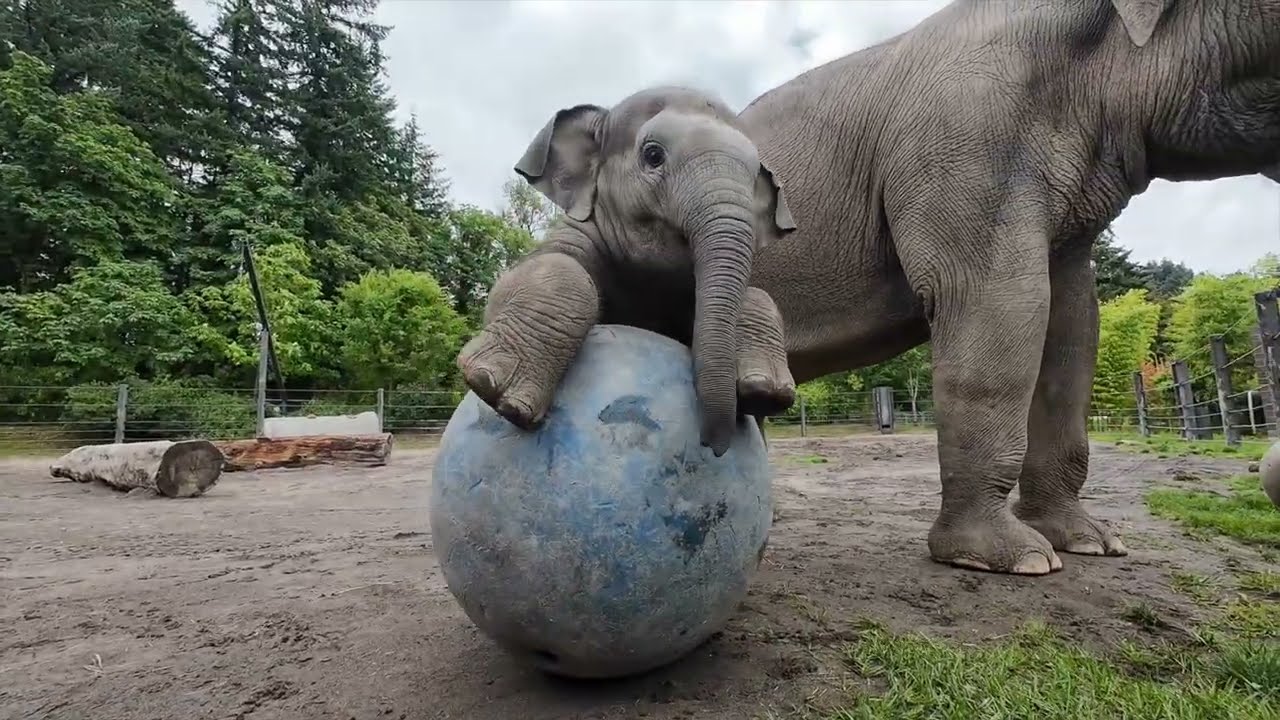
In the case of elephants, soccer serves dual purposes: it provides physical stimulation and satisfies their inherent curiosity. Elephants are naturally social creatures with highly developed brains. Engaging in soccer aids in brain stimulation and promotes dexterity and coordination. It replicates activities like foraging or manipulating their environments, providing both mental and physical outlets that are otherwise restricted in captivity.
Zoological institutions play a pivotal role in wildlife conservation through innovative programs like animal enrichment activities. By integrating soccer into the daily routines of animals, zoos not only boost animal welfare but also enhance their conservation efforts. These programs raise awareness about the natural behaviors and needs of different species, facilitating a deeper public understanding of the importance of wildlife protection. They serve as essential platforms where the broader community can witness, appreciate, and learn about the intricacies of animal life, further fostering a commitment to conservation.
Public engagement in wildlife conservation is significantly heightened through interactive zoo activities. When visitors observe animals playing soccer, they connect with the creatures on a more personal level. This connection fosters empathy and supports educational campaigns highlighting conservation challenges faced by these species in the wild. In many cases, zoos leverage these experiences to educate visitors about habitat loss, poaching, and the importance of biodiversity. Interactive exhibits become a powerful tool in influencing public perceptions and behaviors, encouraging conservation-friendly actions.
Implementing enrichment programs like soccer for zoo animals involves several ethical considerations and welfare standards. Zoos must ensure these activities are safe and do not cause undue stress or harm to the animals. Each program is designed considering the species-specific needs, ensuring they align with animals’ natural behaviors and preferences. Stakeholders continuously assess the effectiveness of these programs, ensuring they provide genuine benefits rather than mere spectacle.
Enrichment activities also necessitate collaboration among zoo staff, including keepers, veterinarians, and researchers, ensuring the holistic well-being of the animals is prioritized. By fostering an environment where animals can engage in natural behaviors, zoos uphold high ethical standards, improving the quality of life for captive wildlife. The adoption of such ethical practices enhances the credibility of zoological institutions as centers of conservation and education.
Cute zoo animals playing soccer exemplifies the impactful blend of animal welfare, conservation, and public education. This multifaceted approach provides a sustainable model where all stakeholders, including animals, humans, and the environment, benefit. Through these initiatives, zoos demonstrate their commitment to creating enriching environments that respect and promote the natural tendencies and instincts of wildlife. Such innovations are critical in crafting a future where zoos are seen as allies in the global conservation movement, encouraging a harmonious coexistence between humans and the animal kingdom.
*****
Source Description
Let’s just say if a certain soccer team needs backup today, they’re READY 🇺🇸 ⚽
