
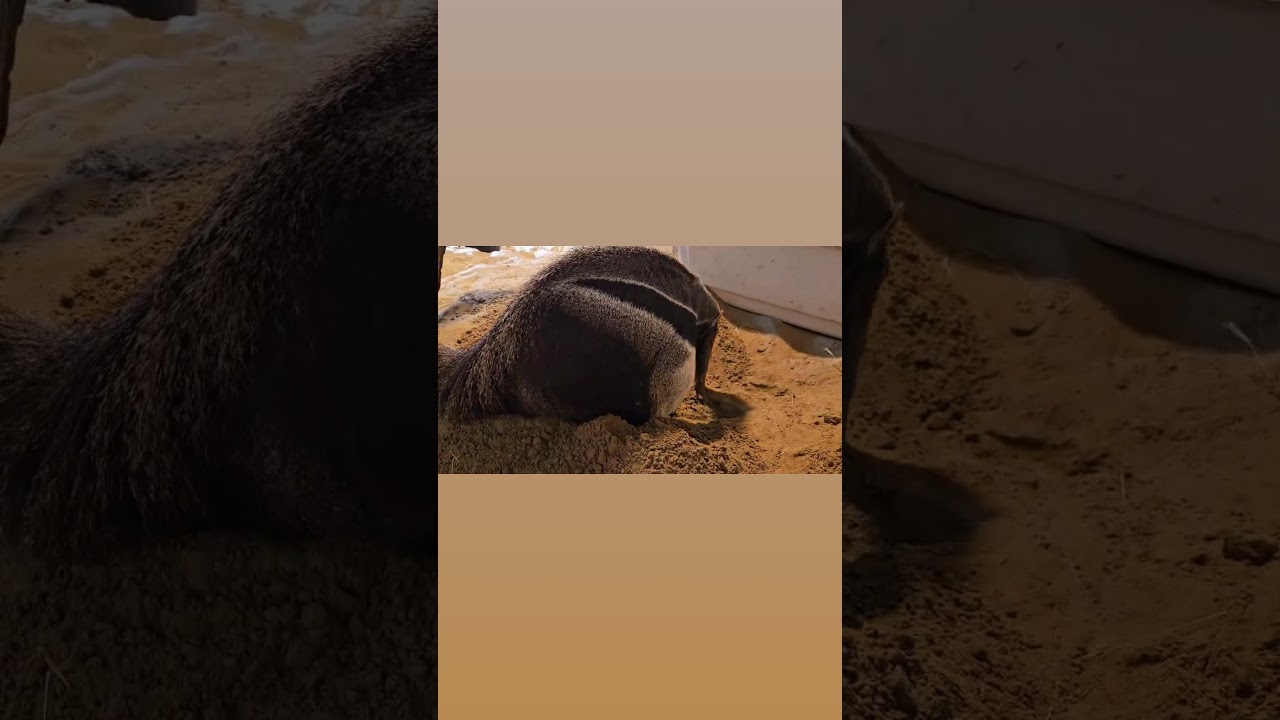
- Overview of the Audubon Zoo and its Role in Wildlife Conservation
- Insights into the Life and Characteristics of Anteaters
- The Importance of Zoo Management in Animal Welfare
- Strategies for Effective Conservation Efforts
- Future Trends in Zoo Practices and Animal Interaction
The Audubon Zoo serves as a pivotal institution in wildlife conservation, situated in New Orleans, Louisiana. It does not simply host a variety of animals; it plays a vital role in education and ecological preservation. By providing safe habitats for animals, the zoo contributes to global conservation efforts. Ensuring that species do not become extinct is part of its overarching mission. With interactive exhibits and educational programs, visitors can learn about biodiversity and environmental protection.
One of the most fascinating animals at the zoo is the anteater. These mammals are known for their long snouts and specialized diets. Capable of consuming up to 30,000 ants or termites daily, anteaters showcase remarkable adaptations. Their robust forelimbs facilitate digging into ant mounds, while their long tongues reach deep into crevices. Given their specific dietary needs, preserving their habitats is critical for their survival in the wild. Understanding anteater biology also offers insights into ecological balance; they help control ant and termite populations, illustrating the interconnectedness of species.
Zoo management plays a crucial role in the overall well-being of the animals they care for. Professional staff members focus on animal welfare by monitoring health, behavior, and living conditions. Through enrichment programs, animals are provided stimulating activities that mimic natural behaviors. For instance, the anteater’s diet in captivity can be supplemented with special treats that encourage foraging. Such strategies are essential for keeping animals engaged and healthy. Many zoos now prioritize animal psychology by incorporating cognitive challenges, validating the necessity for more comprehensive management practices.
Conservation strategies have diverse and important elements. Zoos like the Audubon Zoo actively engage in breeding programs aimed at preventing the extinction of endangered species. These programs often collaborate with organizations that specialize in genetics, habitat restoration, and public education. By cultivating connections with the local community, the zoo fosters a culture of conservation that extends beyond its gates. Educational outreach programs in schools emphasize the role individuals can play in protecting wildlife, demonstrating that the responsibility lies with all of us.
Looking ahead to 2026, the challenges of zoo management and wildlife conservation will likely evolve. Innovative technologies are on the horizon, promising new ways to engage with both animals and visitors. Virtual reality exhibits may offer an immersive experience that educates people about animal habitats without leaving their seats. Furthermore, advancements in data collection regarding animal health can lead to improved individualized care. Greater emphasis on sustainability will also define future practices. Zoos could implement energy-efficient systems and water conservation methods to lessen their environmental footprint.
The interaction between humans and animals continues to develop, with the understanding that visitors benefit from hands-on experiences. Programs that allow for safe, structured animal interactions foster empathy toward wildlife. Furthermore, they cultivate a deeper appreciation for the complexities of animal behavior and the importance of conservation efforts.
In discussing these various elements, it’s clear that the landscape of zoos, particularly institutions like the Audubon Zoo, is multifaceted. The anteater serves as a representative example of animal adaptation and ecological importance. As we look toward the future, it will be exciting to watch how zoos build upon their existing frameworks to enrich not only the lives of the animals in their care but also the communities surrounding them.
Lifelong learning about wildlife is essential. As communities grow increasingly urbanized, wildlife education must find new pathways to reach audiences. The Audubon Zoo’s commitment to providing information helps shape the conversation around conservation.
The role of zoos extends beyond recreation; they are vital educators. Through exhibits, talks, and interactive sessions, visitors emerge with knowledge and awareness of pressing environmental issues. Whether discussing habitat loss or climate change, these institutions serve as platforms for activism and awareness.
The anteater, as a case study, illustrates the need for specific conservation efforts. This species, while not listed as endangered, faces threats from habitat destruction and climate change. Highlighting such real-world impacts is vital in fostering a deeper understanding of wildlife conservation. As communities mobilize around these issues, understanding individual species will help frame broader ecological discussions.
Sustainable practices will be essential for modern zoos. Many institutions are now exploring renewable energy options and reducing waste through recycling initiatives. Such measures reflect a growing awareness of how institutions can lessen their ecological impact. The move toward sustainability is not only beneficial for the environment but also enhances visitor experience, as individuals appreciate organizations committed to making a difference.
It’s important to remain aware of the role non-profit organizations play in wildlife conservation. Often, zoos partner with these entities to extend their reach. Research initiatives, public engagement campaigns, and habitat restoration projects collectively contribute to lasting change. This multi-faceted approach emphasizes collaboration among diverse organizations and stakeholders.
Engagement in citizen science efforts also presents an opportunity for communities to participate actively in conservation. Programs that allow residents to collect and report data contribute to a more extensive understanding of local ecosystems. The synergy between conservation agencies and community members creates a fabric of stewardship that is vital for future success.
As 2026 approaches, we can also look forward to advancements in veterinary care and animal health monitoring. New techniques in animal care allow for more comprehensive assessments of health, helping to quickly address any issues that arise. Such innovations underscore the importance of research in zoological institutions and point to a brighter future for animal care.
Notably, the focus on visitor interaction will continue to shape the zoo experience. Staff will likely enhance visitor programming, with an emphasis on immersive learning. Engaging audiences through storytelling and firsthand experiences will deepen emotional connections to wildlife. These narratives help underscore why conservation matters and inspire action at the local level.
In summary, the Audubon Zoo and its commitment to animal care, conservation, and education stands as a model for modern zoos. The intriguing anteater serves as a focal point for understanding species-specific needs within the broader ecological context. As the future unfolds, the convergence of technology, sustainability efforts, and community engagement will define the trajectory of wildlife conservation. For those prepared to wake Anton up when 2026 arrives, the excitement of evolving practices will undoubtedly be worth the wait.
*****
Source Description
