
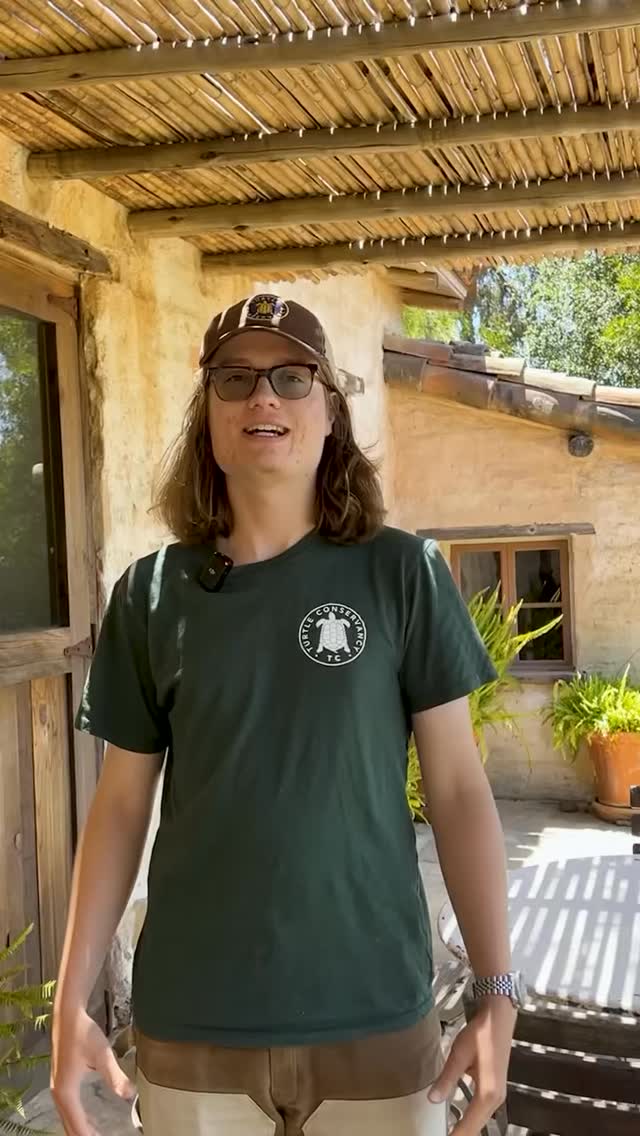
- Introduction to Boris and his role at the Turtle Conservancy
- Importance of Southwestern Pond Turtle Research
- Overview of the internship experience and responsibilities
- Conservation challenges faced by pond turtles
- How summer internships contribute to wildlife conservation efforts
Meet Boris, a dedicated summer intern with the Turtle Conservancy, who is immersed in research focused on the Southwestern Pond Turtle. This remarkable internship program offers practical experience and educational opportunities for those aspiring to work in conservation. Boris’s work exemplifies how young professionals can contribute to vital projects aimed at preserving biodiversity.
Boris’s role at the Turtle Conservancy is centered around Southwestern Pond Turtle research. This species, native to California and parts of Arizona and Nevada, plays a vital ecological role in its habitat. The Southwestern Pond Turtle is considered a species of concern due to habitat loss, pollution, and the introduction of invasive species. Understanding their behavior, breeding patterns, and environmental needs is critical for developing effective conservation strategies.
Interns like Boris contribute significantly to the field of wildlife conservation. They engage in various tasks, including data collection, fieldwork, and community outreach. Boris’s daily activities often involve monitoring turtle populations, assessing their habitats, and collaborating with researchers and local communities. His involvement in hands-on projects allows him to apply theoretical knowledge while learning essential field techniques. Such experience is invaluable for aspiring conservationists.
Research into the Southwestern Pond Turtle is essential not only for preserving this species but also for maintaining ecosystem health. Pond turtles help control algal growth and support aquatic plant diversity. By studying their movements and interactions with the environment, researchers can identify habitat requirements that promote their survival. Boris actively participates in these studies, contributing data that can inform preservation strategies.
The challenges faced by pond turtles are significant. Urban development often leads to habitat destruction, fragmenting populations and isolating them from one another. Pollution from agricultural run-off and urban areas also affects water quality in their habitats, degrading the conditions necessary for their survival. Additionally, competition and predation from invasive species pose severe threats. Understanding these challenges forms a core part of Boris’s research focus.
Turtle Conservancy’s internship program is not just about individual development. It emphasizes collective action in wildlife conservation. Interns learn about the importance of teamwork, communication, and advocacy. By participating in community events and educational programs, Boris plays a role in raising awareness about the plight of the Southwestern Pond Turtle. Engaging with the public fosters a deeper understanding of conservation issues and encourages more sustainable behaviors.
Boris’s internship experience illustrates the broader goal of the Turtle Conservancy to safeguard the future of turtles and tortoises globally. The organization works diligently to address the pressing challenges posed by habitat loss, climate change, and poaching. Each summer, interns join these efforts, bringing fresh perspectives and enthusiasm to ongoing conservation projects.
Working alongside seasoned conservationists, Boris gains insights into effective research methodologies and data analysis. Learning to utilize technology, such as GPS tracking, enriches his understanding of turtle movements and behavior. This practical experience is essential for anyone pursuing a career in zoology or wildlife management.
Importantly, internships like Boris’s offer a pathway for future careers in conservation. Many past interns have gone on to work with environmental NGOs, government agencies, and academic institutions. The experience equips them with critical skills and a professional network that can open doors in the field.
Boris’s story highlights the profound impact that dedicated individuals can have on conservation efforts. As he dedicates his summer to Southwestern Pond Turtle research, he embodies the commitment and passion necessary for protecting vulnerable species. His work, combined with the efforts of the Turtle Conservancy, illustrates how focused research and community engagement together form the foundation of successful wildlife conservation.
While Boris’s experience is one among many, it is a powerful reminder that the next generation of conservationists is already at work, contributing valuable findings that will shape future policies and practices. The Turtle Conservancy continues to foster this kind of engagement, ensuring a steady influx of energy and ideas into an increasingly urgent cause.
The role of an intern extends beyond research and data collection. Building skills in project management, team collaboration, and public speaking becomes part of this unique experience. Interns like Boris find themselves not just learning about turtles but also about the broader implications of conservation strategies on biodiversity and human interaction with ecosystems.
As he engages with local communities, Boris helps advocate for environmental stewardship. Through educational sessions, he communicates the significance of protecting the Southwestern Pond Turtle and highlights what individuals can do to help. The importance of such outreach cannot be overstated; it transforms abstract conservation concepts into relatable actions.
Encouraging people to minimize pollution and protect habitats generates a ripple effect, extending the efforts of organizations like the Turtle Conservancy. Every small action can contribute to larger conservation goals, and this is a lesson that Boris is eager to share. His enthusiasm is evident; he understands that every interaction could ignite a passion for conservation in someone else.
The landscape of wildlife conservation is marked by constant changes. New threats emerge, and scientific understanding evolves. Interns like Boris play a vital role in adapting to these changes, utilizing fresh insights to contribute to ongoing research. His participation in fieldwork and data analysis ensures that the Turtle Conservancy remains at the forefront of the latest scientific advancements.
As Boris continues his internship, he reflects on the interconnectedness of all living things. Each turtle serves not only as a subject of study but as a representative of a broader ecosystem that includes countless species and habitat types. This perspective is crucial for anyone aspiring to make a meaningful contribution to conservation.
The Turtle Conservancy’s commitment to education through internships fosters a deeper understanding of ecological principles. Each intern, including Boris, learns about the complexities of maintaining biodiversity and the importance of interdisciplinary approaches to solving environmental challenges. By collaborating with scientists, policymakers, and community members, they begin to see conservation as a holistic effort.
Boris’s journey is a testament to the impact of educational and practical experiences in shaping future conservationists. The internship opens doors to vital learning opportunities through hands-on practices, mentorship, and community outreach. Each skill he learns not only prepares Boris for a career in zoology or wildlife management but also reinforces the importance of advocacy and conservation education.
His dedication and efforts align with the Turtle Conservancy’s mission to protect turtles and tortoises through conservation initiatives. By focusing on research, habitat preservation, and community engagement, the organization works tirelessly towards positive environmental outcomes. Every summer intern contributes to this overarching goal, strengthening the organization’s impact and expanding its reach.
This year, as Boris gathers data on the Southwestern Pond Turtle, he is part of a larger narrative that highlights the potential for positive change driven by dedicated individuals. The importance of such conversation is paramount, as each generation must take up the mantle of conservation efforts to secure a sustainable future for all species.
With his impactful journey at the Turtle Conservancy, Boris exemplifies the powerful alliance between education, hands-on research, and community engagement. His experience reminds us all that preserving biodiversity is not a solitary endeavor but rather a collective effort that requires dedication, knowledge, and action from all corners of the public and scientific communities alike.
For those inspired by Boris’s contributions and eager to engage in meaningful wildlife conservation efforts, pursuing a summer internship at the Turtle Conservancy offers a remarkable opportunity. Engaging with critical research while honing invaluable skills provides a solid foundation for any aspiring conservationist. Interested individuals can explore the potential of their own summer internship journey through the link in the bio. The future of wildlife conservation is bright, especially when nurtured by passionate individuals like Boris.
*****
Source Description
Meet Boris, one of the Turtle Conservancy’s incredible summer interns focusing on our Southwestern Pond Turtle Research!
Interested in applying for a summer internship? Click the link on our bio to learn more 🐢
