
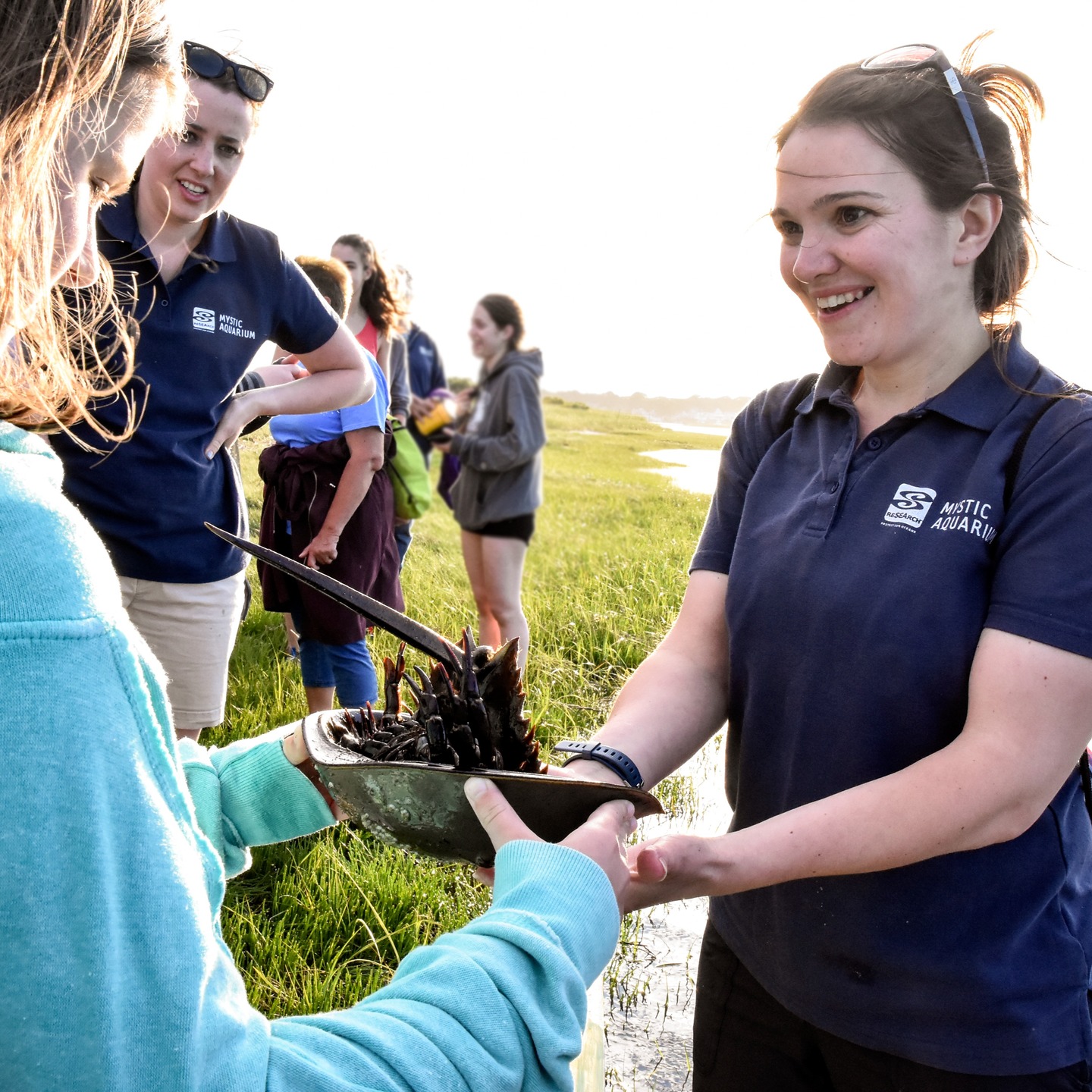
- Importance of Zoo and Aquarium Educators
- Overview of Educational Initiatives
- Conservation Impact and Community Engagement
- Role of Technology in Education
- The Future of Zoo and Aquarium Education
The role of zoo and aquarium educators is crucial in fostering a deeper understanding of wildlife and conservation among the public. They are the bridge connecting the wonders of the animal kingdom to guests of all ages. By sharing their expertise in animal behavior, habitats, and ecological importance, these educators inspire curiosity and drive conservation actions critical for the survival of many species.
Zoo and aquarium educators dedicate their careers to teaching others about the intricacies of ecosystems and animal welfare. Their programs are designed to engage visitors in hands-on experiences that promote learning and appreciation for wildlife. At institutions like Mystic Aquarium, these educators play an essential role in delivering both formal and informal educational programs. They tailor lessons around interactive exhibits, animal interactions, and live presentations. This dynamic approach transforms static displays into immersive experiences, compelling guests to think critically about the health of our planet.
Educational initiatives offered by zoos and aquariums often vary in scope and format. Some programs focus on school groups, while others cater to families, adults, or community organizations. In many cases, these programs align with current educational standards, providing teachers with resources that complement their curriculum. For example, a program might involve students learning about marine ecosystems through hands-on activities and guided encounters with marine animals. Such experiences help clarify complex biological concepts, making them manageable for learners of all ages. The ability to engage students in a multi-sensory learning environment can significantly enhance retention and foster a genuine appreciation for wildlife.
Beyond standard educational programs, many zoos and aquariums offer outreach services, moving knowledge beyond their gates. These outreach initiatives often include visiting schools, community centers, and local events. The primary goal is to extend the learning experience and reach individuals who may not have the opportunity to visit a zoo or aquarium. Through outreach programs, educators can bring interactive workshops and presentations to diverse audiences, sparking interest in conservation issues that affect local wildlife and habitats.
An essential aspect of these educational efforts is the emphasis on conservation. Educators play a pivotal role in raising awareness about endangered species, habitat loss, and the effects of climate change. They share compelling stories about how conservation actions can lead to positive outcomes. Their efforts cultivate a sense of responsibility among the public to make informed decisions that benefit the environment. For instance, discussions about local species experiencing population declines can empower individuals to participate in conservation projects or advocate for policy changes.
Community engagement is another key component in the mission of zoo and aquarium educators. They often collaborate with local organizations, environmental groups, and government agencies to amplify their impact. By intertwining educational programs with local conservation initiatives, these educators create a holistic approach to wildlife conservation. Their collaborative efforts can also include citizen science projects, where community members contribute to data collection, thereby fostering a deeper connection with their environment.
In the digital age, technology significantly enhances the capabilities of educators in zoos and aquariums. Virtual experiences and interactive online platforms allow institutions to reach a global audience. Webinars, online courses, and virtual exhibits connect people with information that may not be readily accessible in their local areas. Such technological tools enable educators to bridge geographical gaps, ensuring that learners everywhere have access to wildlife education and conservation resources.
For instance, live streaming animal feedings or behind-the-scenes tours offers an intimate glimpse into the lives of animals and the work that goes into their care. This level of access can ignite a passion for conservation in individuals who might not otherwise engage with wildlife. Combining traditional educational methods with innovative technology allows educators to deliver content in ways that resonate with diverse audiences, encouraging broader participation in conservation efforts.
Examining the future of zoo and aquarium education reveals several exciting trends. Institutions are increasingly focused on sustainable practices, both in their operations and educational outreach. With growing concerns about climate change and environmental degradation, zoos and aquariums strive to model sustainable behaviors and practices in their facilities. Educators now incorporate discussions around renewable energy, sustainable practices, and wildlife-friendly technologies into their programming. Through these discussions, guests are encouraged to adopt sustainable habits in their own lives.
Moreover, the importance of incorporating culturally responsive education cannot be understated. As the demographics of communities continue to diversify, educators must adapt their approaches to resonate with varying cultural perspectives regarding animals and nature. Recognizing the values and beliefs of different communities can enrich educational experiences and foster inclusive dialogues about conservation.
Networking and professional development for zoo and aquarium educators is also critical. Organizations and conferences dedicated to this field provide opportunities for educators to share best practices, lessons learned, and research outcomes. These exchanges help maintain high standards in animal care, educational programming, and conservation advocacy. Collaboration across institutions can create a richer shared knowledge base, ultimately benefiting both educators and the communities they serve.
The commitment of zoo and aquarium educators significantly shapes public perceptions of wildlife conservation. Their ability to articulate conservation challenges and connect them to individuals helps transform passive observers into active participants in preservation efforts. They inspire passion in visitors and instill a sense of hope for the future of wildlife.
As we celebrate the International Day of Zoo and Aquarium Educators, it is vital to acknowledge the breadth of their influence. They serve not only as educators but also as advocates for the environment and champions of change. Through their dedication, they equip individuals with the necessary tools to stress the importance of preserving our planet’s biodiversity.
While the work of zoo and aquarium educators is often behind the scenes, its impact reverberates throughout communities. These tireless professionals play a vital role in creating informed citizens who care deeply about wildlife conservation. Celebrating their work contributes to a broader understanding of our interconnected world and the art of preserving it for future generations.
Today, as we honor the educators at Mystic Aquarium and beyond, we also recognize the immense potential for learning and advocacy embodied in their work. May our collective efforts continue to nurture curiosity about wildlife and inspire lasting conservation action throughout communities worldwide.
*****
Source Description
Happy International Day of Zoo & Aquarium Educators!
Today we celebrate the incredible team of educators at Mystic Aquarium who inspire curiosity, spark conservation action, and connect guests of all ages to the wonders of our ocean planet every day. Thank you for all you do!!
