
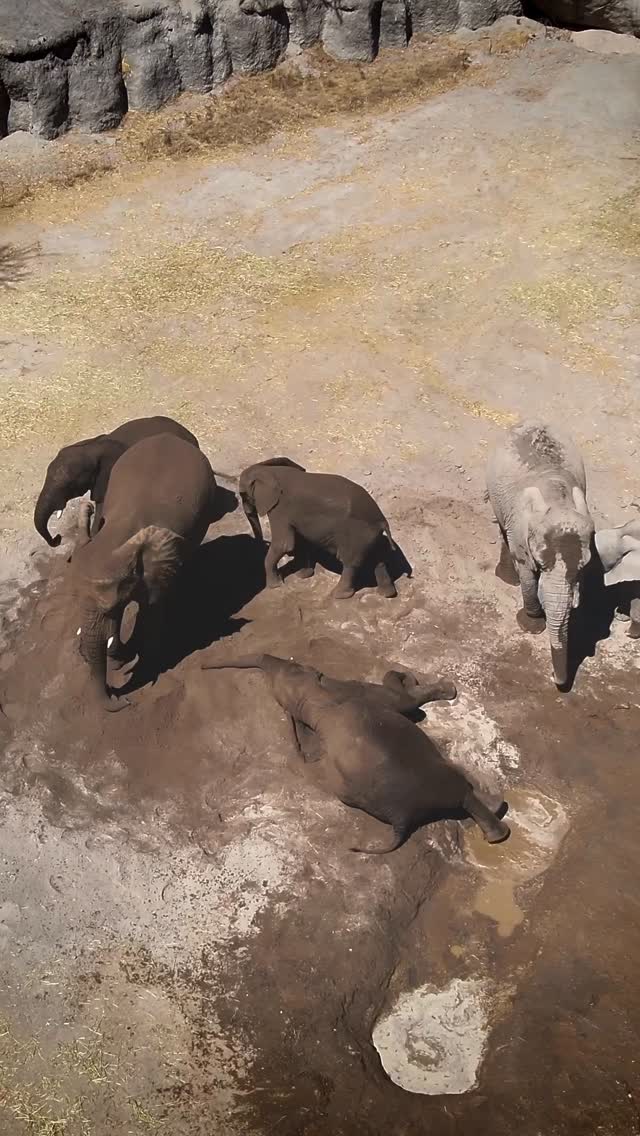
- The significance of elephant herds in wildlife conservation
- Understanding the behavior and social structure of elephants
- The role of captive elephant populations in light of environmental changes
- The importance of education and outreach in conservation efforts
- How technology is aiding wildlife management and monitoring
Elephants have always captured the human imagination, and watching them play can bring joy to many. However, when you observe elephants in a video, especially one depicting the largest breeding herd outside Africa, there is more to it than just playful antics. The structure and behaviors of these herds are vital to understanding their role in ecological balance and their importance to conservation efforts worldwide. This article serves to educate readers on these topics, shedding light on the critical aspects of elephant herds and what they represent for wildlife conservation.
The significance of elephant herds in wildlife conservation cannot be overstated. Elephants are considered a keystone species; their presence has a profound impact on biodiversity and ecosystem health. Through foraging, they help shape their environment by creating clearings that benefit numerous other species. They also dig waterholes that provide sustenance for various organisms during dry seasons. By understanding the role of elephant herds in maintaining these ecological processes, conservationists can devise strategies to protect their habitats and promote biodiversity.
Elephant behavior and social structure are fascinating areas of study. Elephants are highly social animals, living in matriarch-led herds that can include related females and their young. The matriarch is usually the oldest and wisest female, possessing knowledge of resources and behaviors critical to the herd’s survival. The social bonds within these groups are strong, with individuals often forming close relationships. Mothers care for their young for several years, teaching them essential life skills. Observing these complex interactions offers insights into their emotional lives, showing that elephants exhibit behaviors akin to human emotions, such as grieving and joy.
In the context of environmental changes and habitat loss, the role of captive elephant populations is particularly relevant. Facilities that house elephants outside their native habitats are not merely locations for entertainment. Many of these organizations prioritize education and conservation, aiming to foster a deeper understanding of elephants and their needs. Through well-managed programs that simulate their natural behaviors, zoo management professionals can educate the public on the realities faced by wild elephants. This educational outreach is essential, as it helps build empathy and awareness about the threats elephants face in the wild.
Technology plays a pivotal role in modern wildlife management and monitoring. Innovations such as GPS tracking, drones, and remote camera traps enable researchers to gather data on elephant movements, behavior, and population dynamics. This information is invaluable, informing conservation strategies and helping to mitigate conflicts between elephants and human populations. For instance, GPS collars can alert conservationists about potential human-elephant conflicts, enabling them to intervene before issues escalate. Furthermore, social media platforms allow organizations to share compelling stories and data, raising public awareness at an unprecedented scale.
Education and outreach make a significant impact on conservation efforts. Programs aimed at raising awareness about elephants often yield a positive ripple effect. Schools, community organizations, and even social media campaigns educate the public on the importance of protecting elephant habitats and ecosystems. Outreach initiatives can help dispel myths surrounding elephants, transforming public perception and encouraging responsible behaviors. When communities understand the ecological roles of elephants, they are more likely to support conservation efforts.
For those involved in zoology and wildlife management, understanding the social structure and behavior of elephants provides insight into their complex lives. Captive elephant populations, when managed effectively, can serve not only as sanctuaries but also as education centers. These facilities often collaborate with external conservation efforts, highlighting the importance of conserving habitat and protecting elephants in the wild.
The sheer scale of herds observed in the video, particularly those outside Africa, illustrates an unparalleled phenomenon. Reproductive management in such populations is critical for contributing to overall numbers. Monitoring breeding patterns and intergenerational learning is part of best practices in captive environments, allowing for effective management of genetics and health. This aspect is vital for maintaining genetic diversity, thus contributing to the species’ resilience against diseases and environmental changes.
In terms of social structure, matriarchs play crucial roles in leading herds that can consist of several generations. This matrilineal social organization is key to preserving not only social bonds but also knowledge transfer across generations. Younger elephants learn vital life skills directly from their mothers and grandmothers, such as finding water sources and recognizing safe habitats. This passing down of information is critical, especially as environmental conditions fluctuate.
Herd dynamics are also influenced by external factors such as habitat degradation and poaching. As habitats shrink due to urban expansion, elephants may migrate toward human settlements, leading to conflicts. Reducing these interactions is essential for both elephants and local communities. Initiatives that promote coexistence, such as building wildlife corridors and providing compensation for crop damage, can alleviate some of the pressures elephants face.
Education plays a vital role in fostering community ties with these elephants. Engaging local communities in conservation efforts ensures that their needs are addressed while simultaneously protecting wildlife. When communities are empowered through education, they become active participants in conservation rather than passive observers.
Increased public interest, as seen in social media channels like Instagram, can also elevate awareness. Sharing videos and stories not only promotes empathy but encourages viewers to engage with conservation initiatives. It fosters a sense of stewardship and responsibility among audiences who may not have previously considered the impact of their actions on wildlife.
The overall mission of wildlife conservation is to promote coexistence. While elephants might seem distant or removed from daily life, their plight directly correlates with broader environmental issues. Habitat loss, poaching, and climate change affect everyone. Through increased education and technological engagement, more individuals can become advocates for change, impacting conservation positively.
Overall, understanding the complex relationships within elephant herds will enhance efforts for their conservation. Each interaction, each play, and even each moment of rest is a lesson in the interconnectedness of life and the environment. As we advance, using technology wisely will provide resources for tracking and managing elephant populations efficiently.
By observing and learning from this video featuring elephants, we can appreciate not just their playful nature but the critical ecological roles they fulfill. As stewards of the earth, our responsibility is to ensure that human activities do not threaten these majestic creatures and that future generations have the opportunity to witness them in their natural splendor. Engaging with educational resources, supporting wildlife organizations, and advocating for policies that protect both elephants and their habitats are steps each individual can take toward creating a future where these incredible animals thrive alongside humans.
*****
Source Description
En este video no solo estas viendo elefantes jugando, estás viendo a la manada reproductora más grande fuera de África. ¡Algo único en el mundo! 🐘✨
