
- Introduction to Sleepy Saturdays with Sally and the behavior of two-toed sloths
- Biological adaptations and daily life of two-toed sloths
- Importance of conservation and protection of sloth habitats
- Role of zoological parks in education and conservation efforts
- Interaction and educational opportunities through zoo programs
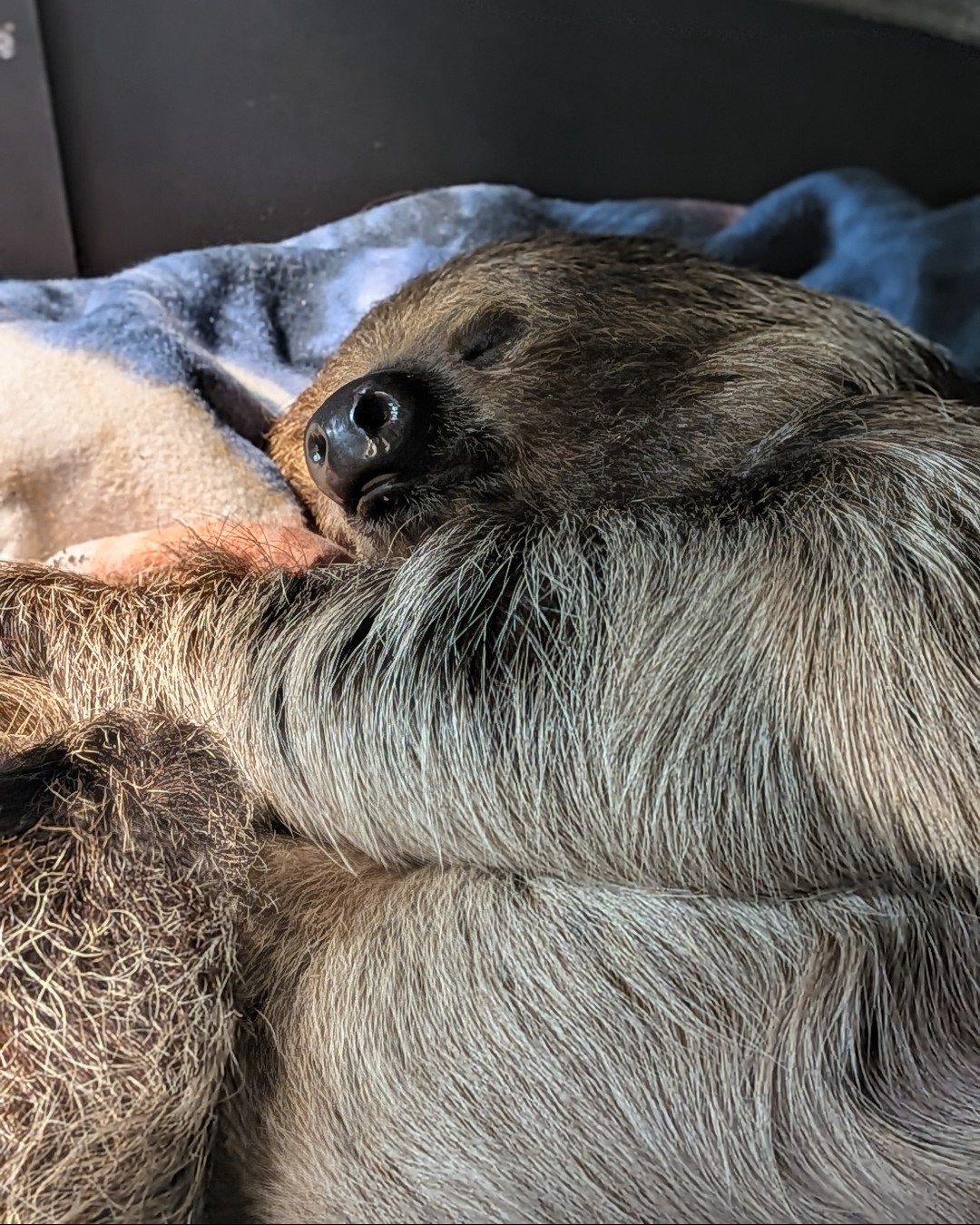
Sleepy Saturdays with Sally is an engaging opportunity for zoo visitors to learn about the captivating world of two-toed sloths. These leisurely creatures are primarily nocturnal, known for their unique ability to sleep up to 15 hours a day. Sally, the two-toed sloth residing in the Americas Pavilion alongside her companion Netty, captures the essence of sloth life, moving slowly and thoughtfully amidst the lush environment.
The two-toed sloth’s nocturnal lifestyle involves waking at night to forage for food. Known for their particular diet of leaves, fruits, and flowers, these creatures have evolved to accommodate a slow metabolic rate. This slow energy conversion allows them to process tough vegetation efficiently. Their sharp claws and strong limbs enable them to navigate trees with ease, living their entire lives suspended upside-down. This distinctive mode of living serves multiple purposes, such as reducing predation risk and facilitating a unique vantage point in their arboreal habitat.
Conserving the habitats of species like the two-toed sloth is critical. Sloths are found primarily in the tropical rainforests of Central and South America. These ecosystems face significant threats from deforestation, illegal logging, and agricultural expansion. Conservation efforts are vital to maintaining biodiversity and sustaining the delicate balance of these rich ecosystems. Protected areas and reforestation projects help preserve habitat and provide corridors for wildlife movement, enabling sloths to thrive.
Zoos play a pivotal role in the education and conservation of wildlife. By housing animals like Sally, zoos offer a unique perspective on sloth biology and ecology that few would see otherwise. Educational programs and exhibits raise awareness about the challenges facing sloths and the importance of preserving their natural habitats. Through thoughtful programming and engagement, zoos can inspire the next generation of conservationists.
Interactive programs such as Sleepy Saturdays with Sally invite visitors to delve deeper into understanding these fascinating animals. By fostering curiosity and presenting factual insights into sloth life, such initiatives provide an immersive educational experience. Participants learn not only about sloths’ lazy demeanor but also their critical role in forest ecosystems and the ongoing conservation efforts required to protect them.
In conclusion, Sleepy Saturdays with Sally provides more than just a leisurely view of these slow-moving creatures. It offers an insight into the vital conservation efforts needed to protect them and highlights the educational role that zoos play. As visitors watch Sally hanging gracefully from her branch, they become part of a broader narrative—one that emphasizes environmental stewardship and the importance of safeguarding our planet’s wildlife.
*****
Source Description
Sleepy Saturdays with Sally 💤
Did you know? Two-toed sloths, like Sally, are primarily nocturnal and can sleep upwards of 15 hours throughout the day! They would primarily wake up at night to eat.
When journeying through your Zoo’s Americas Pavilion, you will find Sally and Netty sometimes moving slowly and deliberately! Their species will spend most of their life hanging upside-down from tree branches, whether sleeping, eating, mating or giving birth.
