
-
The significance of elephants during the monsoon season highlights their natural behaviors, social interactions, and physical adaptations, offering critical insights into their ecological roles.
-
Understanding zoo management’s role in providing enriching environments that simulate natural habitats fosters the mental and physical well-being of elephants.
-
Wildlife conservation efforts focus on protecting elephant habitats from threats like habitat destruction and climate change, emphasizing the importance of preserving these majestic creatures.
-
The role of elephants in their ecosystems underlines their importance as keystone species, influencing biodiversity and environmental health.
-
The challenges and strategies in protecting elephant populations arise from poaching and human-animal conflict, requiring innovative solutions and global cooperation.
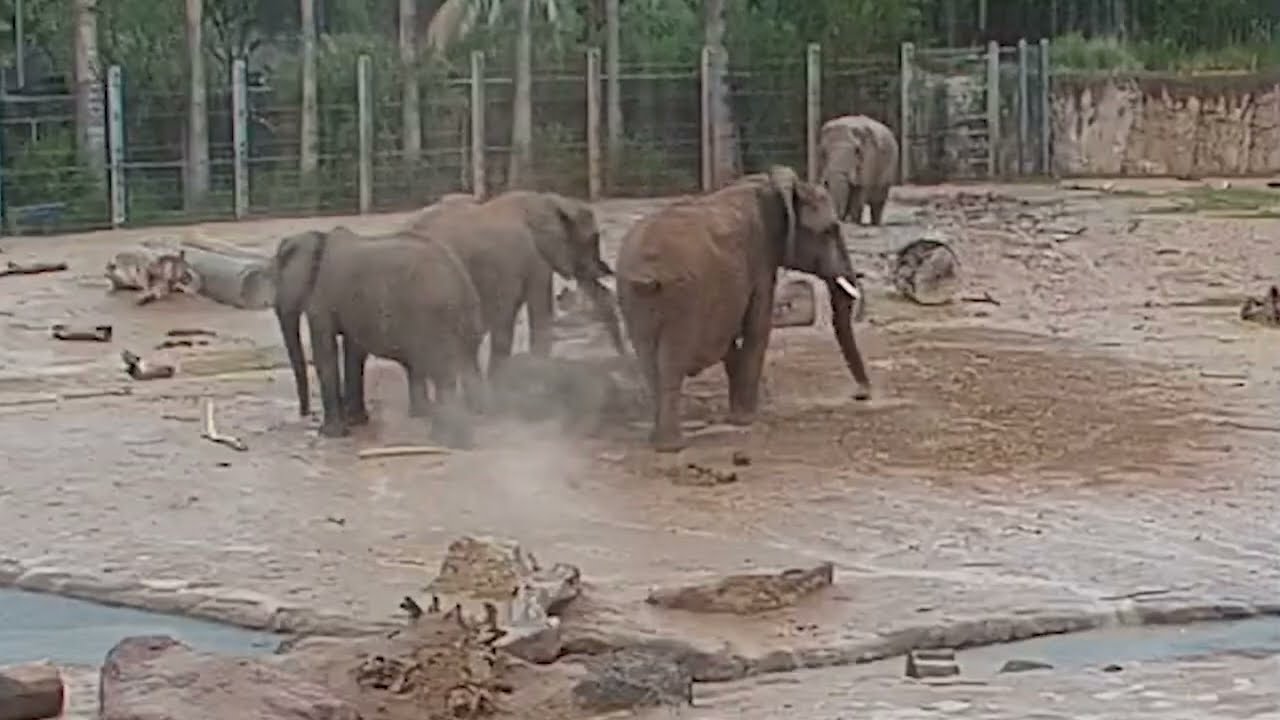
Elephants, celebrated for their intelligence and social complexity, display delightful behaviors during the monsoon season. Observing elephants enjoying a monsoon pool party provides a fascinating glimpse into their natural tendencies, social dynamics, and environmental needs. These majestic animals relish the downpour, engaging joyfully in water-based activities that reflect their innate preferences and adaptations. This article delves into various aspects to develop a comprehensive understanding of elephants during the monsoon.
Elephants inherently possess an affinity for water. Their skin, thick yet sensitive, benefits immensely from hydration. The monsoon’s abundance provides relief from heat and acts as a natural skincare regime. Elephants often submerge themselves, rolling and splashing, utilizing the water to keep their body temperature regulated and to ward off pesky parasites. Their trunks, muscular and versatile, become hoses for playful splashes and essential tools for drinking and bathing. Watching an elephant enjoy a pool party vividly demonstrates their evolutionary adaptations to water.
In these gatherings, the social dynamics between elephants manifest vibrantly. Herds typically consist of females and calves led by a matriarch. The monsoon environment becomes a playground where calves develop essential skills. Older elephants guide them through water-play, which strengthens familial bonds and social structures within the herd. Experiencing these interactions is crucial for understanding elephant family dynamics, as they are pivotal in shaping the social fabric of the herd.
Zoo management plays a critical role in replicating such stimulating environments. Enclosure designs aim to mimic wild habitats, incorporating pools and mud areas that cater to elephants’ affinity for water-based activities. Such facilities need continuous innovation to accommodate the changing needs of elephant populations, emphasizing environmental enrichment to keep them physically and mentally healthy. Proper management replicates natural climates, reinforcing familiar behavioral patterns.
Wildlife conservation efforts are paramount in safeguarding elephant populations. Habitat destruction due to expanding agricultural activities and urban development significantly threatens their existence. The monsoon holds ecological importance by replenishing dried water bodies and nurturing vegetation growth, which elephants rely on for sustenance. Conservationists advocate for protecting these regions, highlighting the delicate balance between ecological preservation and human development.
Moreover, elephants function as keystone species, significantly impacting their ecosystems. They shape landscapes and create water holes that other species depend on, thus maintaining biodiversity. By observing elephants enjoying their monsoon, one appreciates their crucial ecological role. They contribute to nutrient cycling and seed dispersal, fostering healthy ecosystems. Protecting them ensures the survival of myriad species reliant on their landscape-modifying behaviors.
The threats elephants face extend beyond environmental challenges. Poaching for ivory has drastically reduced elephant populations, demanding international collaboration to arrest this illegal trade. Moreover, human-animal conflict arises when elephants encroach on settlements searching for food, often resulting in casualties on both sides. Conservation strategies focus on community empowerment and education to reduce conflict and foster coexistence.
Integrative approaches to conservation involve the implementation of technology, such as GPS tracking and drones, to monitor elephant movements and habitat conditions. Policy-makers and conservationists emphasize the importance of legislation and transboundary cooperation to create elephant corridors, ensuring safe passage and genetic diversity among populations.
Elephants enjoying a monsoon pool party is more than a delightful spectacle; it is a representation of their intricate connections with nature, themselves, and humans. This symbiotic relationship requires ongoing efforts to maintain harmony between elephants and their environment.
Effective conservation is indispensable as it preserves not only the majestic elephants but also the broader biospheres. Encouraging public engagement through education and awareness campaigns is vital in ensuring future generations inherit a world shared with these remarkable creatures. Understanding elephants’ behavior during the monsoon season offers critical insights into ensuring a sustainable coexistence, highlighting the need for collaborative efforts in conservation.
*****
Source Description
Rain starts the party for pachyderms! Wednesday’s storms did not deter the elephant herd from splashing in their pool and enjoying the fresh mud wallows. When the next storm hits Tucson, be sure to visit our website and check out the elephant Zoo Cams so you can enjoy the fun live! See the cams: https://reidparkzoo.org/cameras/elephant-cam/
