
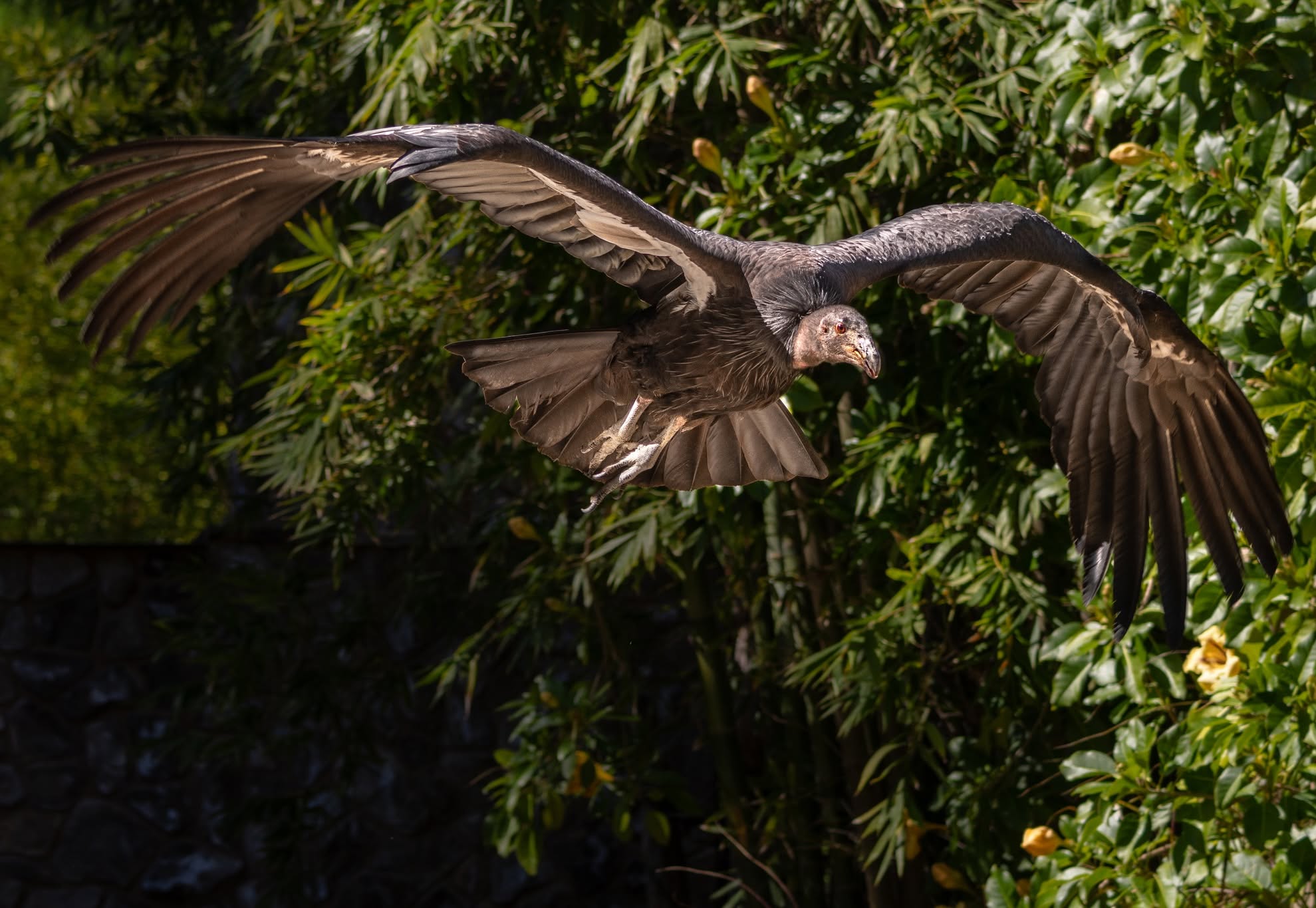
- International Vulture Awareness Day (IVAD) significance and purpose
- The ecological importance of vultures as scavengers
- The L.A. Zoo’s commitment to vulture conservation
- Special attractions and educational opportunities today at the zoo
- Ways the public can get involved in vulture conservation efforts
International Vulture Awareness Day (IVAD) is observed annually to highlight the vital role vultures play in our ecosystems and to foster appreciation for these birds. With a growing concern for their declining populations across the globe, IVAD serves as a platform to educate the public about conservation efforts. This year, the Los Angeles Zoo celebrates IVAD with a rich history of working alongside these powerful birds of prey, making it a perfect destination for visitors interested in wildlife conservation.
Vultures are often overlooked in the animal kingdom. However, these birds are essential to maintaining ecological balance. By consuming carrion — the remains of dead animals — vultures help to keep the environment clean. They effectively eliminate disease by preventing the spread of bacteria and viruses that can thrive in decomposing bodies. In fact, studies indicate that vultures can consume carcasses quickly, significantly lowering the risk of disease transmission to other wildlife and even humans. Their specialized physiology allows them to digest rotting flesh without contracting diseases, making them crucial components of their habitats.
At the L.A. Zoo, the commitment to vulture conservation is exemplified through a variety of programs and initiatives. The zoo’s long-standing relationship with these birds includes special exhibits and educational programming designed to promote understanding and awareness. The Angela Collier World of Birds Show, for instance, features a special IVAD program at noon, where guests can learn about vultures’ ecological importance, their behavior, and the challenges they face. Such educational opportunities engage visitors and empower them to appreciate these birds beyond their sometimes-misunderstood roles.
One of the highlights of visiting the L.A. Zoo today is the opportunity to observe Cape vultures in their new habitat. These African vultures boast spectacular wingspans, ranging from six to eight feet, and are known for their striking plumage and social behavior. At the Cape Vultures exhibit, visitors can witness a multigenerational group roosting, nesting, and interacting. This observation provides insight into their complex social structures and the importance of family dynamics in their survival. The social cohesion seen in these vultures is critical for their reproduction and cooperation in foraging activities.
From 10:30 a.m. to 2:30 p.m., zoo staff and volunteers will be stationed at the Cape Vultures exhibit, ready to answer questions and provide additional information. This interaction enhances the visitor experience, transforming mere observation into an engaging education session. Guests can learn about vulture conservation efforts, the threats vultures face worldwide, and how community involvement can make a difference. Some threats identified include habitat loss, poisoning, and illegal hunting, which contribute significantly to the decline of vulture populations.
Moreover, IVAD serves as a call to action for community involvement in vulture conservation. Educational campaigns are crucial for raising awareness about the challenges these birds face and for encouraging responsible behaviors that protect their habitats. Individuals interested in getting involved can support organizations dedicated to wildlife conservation, volunteer at local nature reserves, or participate in citizen science projects that monitor bird populations. Each effort, no matter how small, contributes to the larger goal of safeguarding these essential creatures.
Vultures also symbolize important cultural narratives in various societies. Many cultures view them as symbols of purification and renewal due to their relationship with death and decay. In some communities, vultures are celebrated for their essential role in the life cycle. It is vital to foster this positive perception while educating the public about the environmental benefits these birds provide.
As visitors celebrate IVAD at the L.A. Zoo, they have the chance to engage with educational displays that highlight vulture biology, behavior, and conservation. Infographics detailing vulture species, their populations, and conservation statuses can deepen understanding. Moreover, live presentations will spotlight the unique attributes of these birds, from their keen eyesight to their impressive flight capabilities.
One of the poignant concerns regarding vultures is their rapid population decline, driven by a combination of poisoning, habitat degradation, and human-wildlife conflict. In Asia, certain species have experienced population decreases of more than 95% over the last few decades. The use of veterinary painkillers, particularly diclofenac, has decimated vulture populations in many regions, demonstrating the complex relationship between human practices and wildlife health. It is imperative to advocate for animal welfare policies that protect not only vultures but entire ecosystems.
The L.A. Zoo’s collaboration with local and international conservation groups is critical in combating these challenges. Initiatives such as the Vulture Preservation Project aim to provide veterinary care for injured vultures, rescue and rehabilitate birds from the wild, and facilitate breeding programs to bolster dwindling populations. These endeavors illustrate a broader approach to conservation that encompasses not only individual species but also entire ecological systems.
The importance of vultures cannot be overstated. As nature’s clean-up crew, they serve as ecological engineers, significantly impacting biodiversity. Research has shown that when vultures are removed from an ecosystem, there is a noticeable increase in scavenging animals, such as rats and feral dogs. This disruption leads to a ripple effect on wildlife health, public health, and local economies.
Thus, today’s events celebrating International Vulture Awareness Day invite the public to reflect on their role in conservation. Engaging programs at the zoo aim to inspire visitors to take action, raising awareness and understanding of the threats facing vultures. Vultures deserve appreciation, not disdain. Their contributions to maintaining healthy ecosystems highlight the interconnectedness of all living beings, emphasizing the need for balanced coexistence.
People can support vulture conservation from their own communities. Whether it is through educating friends and family, participating in local wildlife monitoring programs, or supporting legislation aimed at habitat protection, each action contributes to a more sustainable future for these birds.
As you visit the L.A. Zoo today, take time to observe and appreciate the Cape vultures. Engage with the staff and learn about their roles in the ecosystem. Reflect on the broader implications of their conservation and the intrinsic value they provide to environmental health and stability.
Today is about recognizing vultures’ importance and advocating for their preservation. International Vulture Awareness Day and the initiatives at the L.A. Zoo combine entertainment and education in a meaningful celebration of these incredible birds. Visit, learn, and be inspired to contribute to their conservation in the future. Vultures play a critical role in balance; understanding that role can lead to actionable steps that safeguard their survival for generations to come.
*****
Source Description
Today is International Vulture Awareness Day (IVAD) and the L.A. Zoo has a long history working with these birds! They are nature’s clean-up crew and play a vital role in our ecosystems. On your visit today, stop by the Angela Collier World of Birds Show at the World of Birds Theater at 12 p.m. for a special IVAD program. And don’t miss the Cape vultures in their new home where you can learn more about these African vultures and observe a multigenerational “committee” roosting, nesting, and interacting with one another. From 10:30 a.m. -2:30 p.m. at Cape vultures, visit with staff and volunteers to learn more about vultures and IVAD.
