
- Understanding the Importance of a Go-Bag
- Essential Items for Your Go-Bag
- How to Prepare for Different Emergencies
- Wildlife Considerations in Emergency Situations
- Staying Informed and Connected
A go-bag is an emergency kit designed to provide you with the necessities during a crisis. Understanding the importance of a go-bag cannot be overstated. Emergencies can arise with little notice, requiring swift action to protect yourself and your loved ones. Whether facing a storm, fire, or unexpected evacuation, having a go-bag ready can significantly enhance your safety and readiness. The significance of this go-bag extends to ensuring you are equipped to address not just your needs but also the considerations for pets and wildlife, especially in emergency situations.
Understanding the Importance of a Go-Bag
The first step in emergency preparedness is recognizing why having a go-bag is essential. Emergencies disrupt daily life, creating challenges that can escalate quickly. A well-prepared go-bag can facilitate a smooth transition from safety to security during such times.
The unpredictability of natural disasters, such as hurricanes or wildfires, showcases the need for an emergency kit. The Federal Emergency Management Agency (FEMA) advises that individuals should be ready for 72 hours without outside assistance. Even major city infrastructures can fail, causing power outages or transportation issues. A go-bag ensures you are self-reliant during those critical initial hours.
Furthermore, in the event of a devastating situation, immediate access to resources can ease stress and anxiety. Knowing you have essential items at your disposal fosters a sense of control amid chaos. In the context of wildlife and conservation, preparing a go-bag can also include measures to help protect local ecosystems during an emergency response.
Essential Items for Your Go-Bag
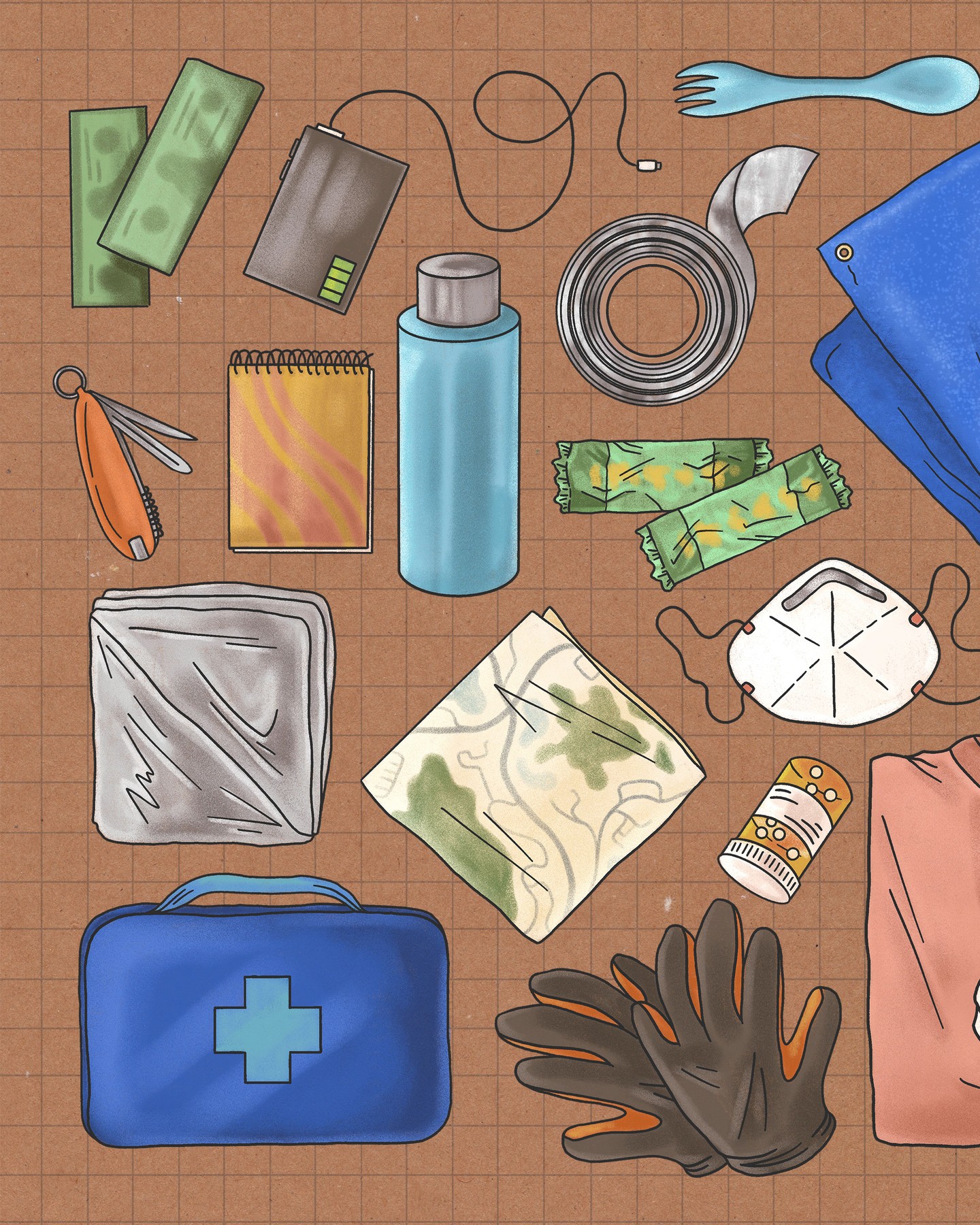
Creating a go-bag involves carefully selecting items that are crucial for survival and safety. While each situation is unique, certain essentials should always be included:
-
Water: Pack at least one gallon per person per day, for at least three days. Portable water purification tools can also be beneficial.
-
Non-Perishable Food: Choose high-calorie, lightweight items that require no cooking, like energy bars, canned goods, and dried fruits.
-
First Aid Kit: Essential for treating injuries promptly. Include bandages, antiseptic wipes, adhesive tape, and over-the-counter medications, like pain relievers.
-
Clothing: Add a change of clothes appropriate for the season. Water-resistant jackets and sturdy footwear are crucial.
-
Important Documents: Store copies of identification, insurance policies, and medical records in a waterproof bag for easy access.
-
Flashlight and Batteries: In case of power loss, having a reliable light source is necessary for navigating through dark surroundings.
-
Multi-tool or Swiss Army Knife: This versatile tool can address multiple needs, from opening cans to making small repairs.
-
Sanitation Supplies: Include items such as hand sanitizer, biodegradable soap, and toilet paper to maintain hygiene.
Each of these items in your go-bag has a specific purpose, enhancing your preparedness for various circumstances. Customizing your go-bag to include items that address your unique needs, such as personal medications or specific pet supplies, is equally important.
How to Prepare for Different Emergencies
Understanding the type of emergency you may face allows for a more customized go-bag. Different situations require tailored responses. For instance, preparing for a storm may involve adding gear designed for wet conditions, while wildfire preparedness focuses on protection from smoke and airborne particles.
When preparing for natural disasters, consider geographic factors. Live in a coastal area prone to hurricanes? Your go-bag should include items to address flooding, such as waterproof bags. Residents in earthquake-prone regions should prioritize securing items within their homes and have tools for safe evacuation, such as gloves and helmets.
Fires demand a focus on air quality. N95 masks or respirators will help protect from smoke inhalation. Depending on the fire’s severity and evacuation notice, the go-bag may need to include items for pets or local wildlife rescue kits to assist animals affected by the fire.
In the case of civil emergencies or public unrest, your go-bag should focus on personal safety. Items such as sturdy shoes, a whistle, and an emergency blanket can prove invaluable if you need to evacuate quickly.
Wildlife Considerations in Emergency Situations
Emergencies not only affect human lives but also have profound impacts on wildlife and local ecosystems. Having a go-bag provides an opportunity to prepare for the well-being of both. This might involve keeping a wildlife rescue kit on hand, especially if you live in an area with diverse wildlife populations.
Basic supplies for a wildlife rescue kit might include gloves, small towels, and a portable carrier to transport injured animals. Understanding local wildlife is vital for knowing how best to assist in these situations. Animal behavior can change significantly during emergencies, making familiarization with local species essential for ensuring a responsible approach.
Consider the broader ecological impact as well. In the event of a fire or flood, human activities can exacerbate wildlife displacement or habitat destruction. Becoming involved with local animal rescue organizations can enhance preparedness and provide valuable insights into handling wildlife effectively during emergencies.
Staying Informed and Connected
Preparedness doesn’t end with packing a go-bag. Staying connected to local news and emergency services is crucial. Technology plays a vital role in providing real-time updates. When a crisis arises, use apps or text alerts that provide information on the progression of an emergency or evacuation orders.
Social media platforms can also serve as valuable resources for gathering information on local conditions and share strategies with neighbors. Establish an emergency communication plan with loved ones, ensuring everyone knows how to reach each other if separated.
Educating yourself on local wildlife and environmental issues can also enhance your responsiveness in emergencies. Knowledge about species behavior, habitats, and conservation status equips you to make informed decisions that not only protect your interests but also those of the wildlife around you.
In summary, having a go-bag ready in case of emergencies can be a powerful tool for enhancing safety and preparedness during various crises. The ability to respond to emergencies is strengthened through proper planning, anticipating personal needs, protecting local wildlife, and maintaining communication with vital sources. Preparing a go-bag tailored for specific situations ensures that you are not just equipped for personal safety but also positions you as an active steward of local ecosystems during challenging times.
*****
Source Description
Do you have a go-bag ready in case of emergencies? Whether it’s a storm, fire, power outage or another event, having a go-bag packed can make a huge difference in your safety. Here are some items to help you start building your emergency bag.
