
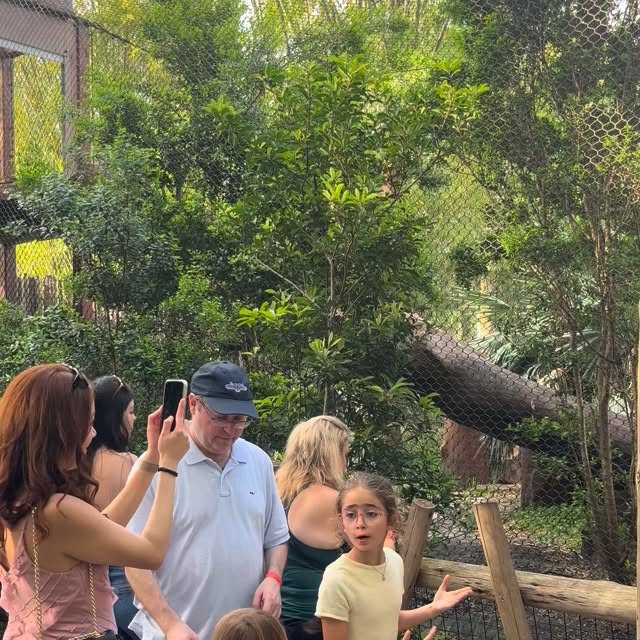
- Overview of Get to Rhythm in the Wild event
- Educational importance of tiger learning sessions
- The role of live music in zoo events
- Animal meet-and-greets as an engagement tool
- The significance of stories shared by the dive team
The “Get to Rhythm in the Wild” event offers an exciting, educational experience for attendees. Set to occur over the final three evenings, this event is not only a celebration of wildlife but also serves as a platform for learning and engagement. Zoo visitors can expect engaging activities, such as tiger learning sessions, live music performances, animal meet-and-greets, and storytelling from the dive team. This event’s multifaceted approach enhances the overall experience for participants while reinforcing the importance of wildlife conservation and education.
Tiger learning sessions are undoubtedly one of the highlights of this event. From a conservation perspective, these sessions help educate the public about the challenges tigers face in their natural habitats. Tigers, as apex predators, play a critical role in maintaining the balance of their ecosystems. Understanding their behavior and needs is essential for effective conservation strategies. In these sessions, knowledgeable instructors will discuss tiger habitats, diet, and social structures. Engaging with experts allows attendees to ask questions, fostering a deeper understanding of these magnificent creatures. As a keystone species, tigers’ health is indicative of broader ecological conditions, making their conservation vital for overall biodiversity.
Live music is another integral part of the event. It enhances the zoo atmosphere, making it more inviting and enjoyable for visitors. The sound of music in such a setting can create an emotional connection to the animals. This connection can motivate individuals, both young and old, to advocate for wildlife conservation. Music has a proven ability to foster community engagement and enhance learning experiences. Local musicians or school bands often perform, creating a lively environment while raising awareness about relevant conservation issues. By combining entertainment with education, the zoo aims to make conservation accessible and relatable to a wider audience.
Animal meet-and-greets offer visitors a unique opportunity to interact with various species. These encounters aim to demystify wildlife and build empathy towards animals. In the case of exotic species like tigers, human interaction can be enlightening. Meet-and-greets typically involve species that are less dangerous and more social, allowing visitors to learn about animal behavior and the importance of respecting wildlife. Each interaction is supervised by trained staff who educate the attendees on the significance of the species and conservation efforts. Providing a chance to see animals up close can inspire attendees to take an active role in supporting wildlife and habitat preservation.
One of the more compelling elements of this event is the storytelling sessions from the dive team. These stories often involve experiences from underwater expeditions, shedding light on aquatic conservation initiatives. The dive team usually works on projects that aim to protect marine ecosystems, including coral reefs and endangered species. Through storytelling, they illustrate the challenges faced in the field and the importance of preserving aquatic habitats. These narratives not only inform but also inspire attendees to think about their own roles in conservation, both on land and underwater.
The synergy between all these components makes “Get to Rhythm in the Wild” a more substantial experience than a typical zoo visit. Each element is designed to promote awareness and education about wildlife conservation. The event encapsulates various aspects of our relationship with nature, emphasizing that awareness and education are crucial to making meaningful changes for future generations.
Moreover, zoos play an essential role in conservation biology. They actively participate in species recovery programs, breeding initiatives, and habitat restoration. By visiting events like this, attendees support these ongoing efforts. Knowledge garnered during the event can empower individuals to advocate for wildlife conservation efforts, whether through community programs, donations, or policy advocacy.
The importance of these educational components cannot be overstated. With continued habitat destruction and climate change, the challenges facing wild animals are significant. Awareness breeds action. The more people learn about these issues, especially in a hands-on environment, the more likely they are to become stewards of the environment. Events like “Get to Rhythm in the Wild” help bridge the gap between wildlife conservation and everyday life, making the pivotal connection that everyone has a role to play.
In summary, “Get to Rhythm in the Wild” serves as a multifaceted event that combines education, community engagement, and entertainment in a zoo setting. It highlights key conservation principles while providing practical knowledge. Engaging with the animals, experiencing live music, and hearing firsthand accounts from those who work in conservation creates a rich learning environment. This event is crucial not just for immediate understanding but for fostering long-term ambassadors for wildlife and environmental stewardship.
Ticket availability is limited as the event is nearing its end. Interested parties should visit the event’s link for details on how to secure their spots. Delaying could result in missing out on an essential educational experience. Let this schedule serve as a reminder of the critical connection between animals, ecosystems, and human action. Anyone passionate about wildlife conservation and eager to learn and contribute should take advantage of this timely opportunity.
*****
Source Description
Get to Rhythm in the Wild before it’s over!
Tiger learning sessions, live music, animals meet and greets, stories from the dive team and MORE are on set for the last three evenings. Visit the link in our bio to your tickets before their gone!
