
- The fascinating biology of the African Penguin
- The significance of penguin populations in ecosystems
- Insights into habitats and breeding behaviors
- The role of wildlife conservation in protecting African Penguins
- The importance of engaging the public through education and awareness
The fascinating biology of the African Penguin presents a captivating snapshot of adaptability and survival. Known scientifically as Spheniscus demersus, these flightless birds are characterized by their distinctive black and white plumage. Adult African Penguins average about 26 inches in height and weigh between 5 to 11 pounds. Their physical adaptations, such as a streamlined body shape and solid bones, allow for efficient swimming, enabling them to dive up to 550 feet in search of fish.
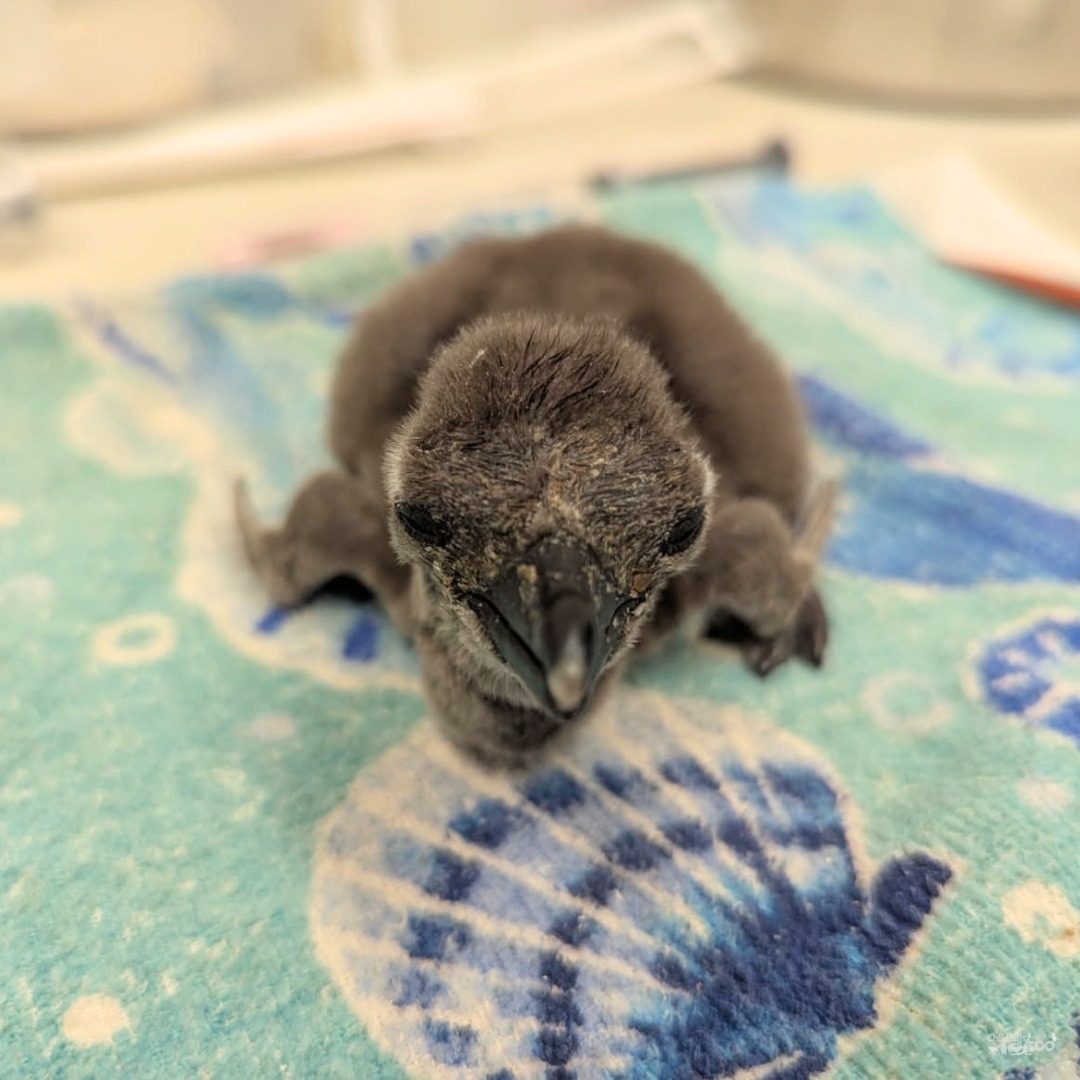
Juvenile African Penguins, often referred to as “baby penguins,” undergo several changes as they mature. At birth, they are covered in downy gray feathers that eventually give way to the recognizable coloration of adults. The transition from chick to adult is rapid; by about 3 months of age, they begin molting into their juvenile plumage. This period is crucial for growth, and in the early stages, they rely heavily on their parents for feeding. Typically, both parents participate in nurturing the chicks by regurgitating food, which is essential for their early development.
African Penguins maintain a distinct social structure. Breeding pairs often form monogamous bonds, returning to the same nesting sites each year. These penguins engage in elaborate courtship displays that include vocalizations and mutual preening, cementing their pairing during the breeding season. Understanding their social dynamics provides insight into how these populations sustain themselves and thrive, despite environmental challenges.
The significance of penguin populations extends beyond their charming appearance. As apex consumers in marine ecosystems, African Penguins play a crucial role in maintaining the balance of their habitats. They mainly feed on small fish, such as sardines and anchovies. By regulating fish populations, African Penguins help maintain the health of marine environments. Their presence is an indicator of ocean health, meaning fluctuations in their populations can signal changes in marine ecosystems, including overfishing and shifts in prey availability.
Understanding the broader implications of their biology also points to the fragility of their habitats. Their breeding colonies are often located on islands along the coast of South Africa and Namibia. These locations provide natural protection against terrestrial predators while ensuring access to plentiful food sources. However, the accessibility of these areas exposes them to human threats such as habitat destruction, pollution, and climate change. In particular, rising temperatures and changing ocean currents can have detrimental effects on the availability of their preferred prey.
Insights into habits and breeding behaviors highlight the challenges African Penguins face. They typically nest in burrows or under vegetation to protect themselves and their eggs from extreme temperatures. Breeding usually occurs between February and August, with a typical clutch size of two eggs. After a 38- to 42-day incubation period, both parents take turns caring for the chicks. As they grow, the demands for food increase. Over time, chicks develop foraging skills that will serve them in adulthood.
The role of wildlife conservation is vital for the survival of African Penguins. Their population has plummeted in recent decades, primarily due to human activity. The International Union for Conservation of Nature (IUCN) classifies them as endangered due to threats like habitat loss from coastal development, oil spills, and competition for food from commercial fishing. Conservation efforts focus on habitat restoration, pollution control, and sustainable fishing practices. Protecting feeding areas and nesting sites can significantly enhance their survival rates.
Organizations around the world engage in breeding programs, rehabilitation of injured penguins, and public awareness campaigns. For instance, the South African Foundation for the Conservation of Coastal Birds (SANCCOB) plays a crucial role in rehabilitating injured and oiled penguins. These efforts are essential for boosting population numbers and raising awareness about the threats these birds face.
Engagement with the public through education and awareness promotes a broader understanding of the importance of the African Penguin. Programs aimed at educating visitors to zoos and aquariums about their ecology and conservation status help foster appreciation. Outreach initiatives often include information on how individuals can take action, from reducing plastic use to supporting sustainable seafood choices.
In South Africa, where the largest colonies of African Penguins reside, local communities are increasingly involved in conservation efforts. Educational programs allow residents to understand the ecological importance of African Penguins while encouraging practices that minimize conflicts, such as responsible tourism.
Photos of baby African Penguins often capture the attention of people worldwide. Not only do they showcase their cute and playful nature, but they also highlight the urgency of conservation. By sharing these images, we invite discussions about the vital steps needed to protect the species. Social media campaigns can expand the reach of these messages, bringing awareness to new audiences and encouraging increased support for conservation actions.
In summary, understanding the biology, ecological significance, and conservation challenges of the African Penguin unveils the urgent need to protect these charming birds. Continued research and education will be paramount for sustaining populations. Engaging with local communities and global audiences alike can foster a sense of stewardship that ensures future generations will appreciate the African Penguin, both in the wild and in sanctuaries alike. The ongoing growth of baby African Penguins symbolizes hope and responsibility for all of us to take action, ensuring that these remarkable birds not only survive but thrive in their natural habitats.
*****
Source Description
🐧 Baby African Penguin photo dump!!! The little one is already growing up so fast and we can’t stand the cuteness! 🤗🐣
