
- The significance of Halloween traditions and “Trick or Treat”
- The fascinating biology and behaviors of lemurs
- The role of wildlife conservation in protecting lemurs
- The impact of zoos on public awareness and education regarding animal species
- Fun and engaging ways to incorporate animal themes in Halloween festivities
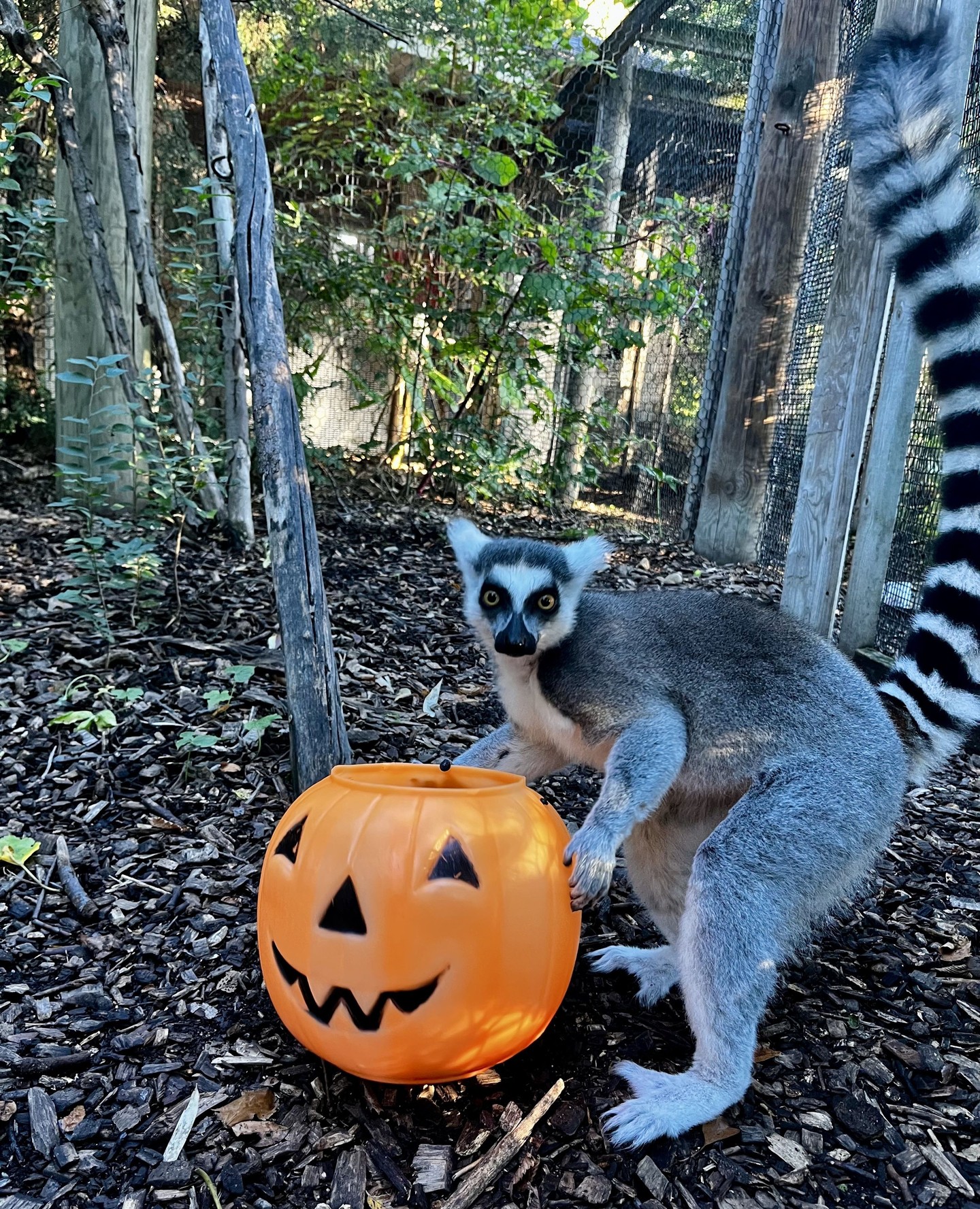
Halloween has grown beyond its initial roots in ancient Celtic traditions to become a widely celebrated occasion across the globe. Central to this festivity is the “Trick or Treat” tradition, where children dress in costumes and canvass their neighborhoods for candies and treats. This custom serves not only as a fun activity but also as a means of fostering community spirit. A unique spin on this age-old practice can be found within the animal kingdom, particularly with lemurs. Keeper Lea’s enchanting lemur, who “votes treat,” showcases the connection between wildlife education and Halloween merriment.
Lemurs, native to Madagascar, are a fascinating group of primates that have intrigued scientists and animal lovers alike. Recognized for their striking appearance and social behaviors, lemurs play a critical role in their ecosystems. They primarily reside in trees and are known for their exceptional leaping abilities. This adaptation to arboreal life allows them to navigate both their environment and social structures effectively. Lemurs thrive in matriarchal societies, where females typically lead and make group decisions. This unique social dynamic not only aids their survival but also provides insights into primate behavior.
The diversity of lemur species, which ranges from the well-known ring-tailed lemur to the critically endangered Aye-aye, highlights the necessity for conservation efforts. Approximately 33 lemur species are recognized today, with many facing threats such as habitat destruction and illegal pet trade. Close to 90% of lemurs are classified as endangered. Conservation organizations worldwide prioritize the protection of these iconic animals, understanding that preserving their habitats also benefits other species within the ecosystem.
Zoos play a pivotal role in wildlife conservation and the education of the public. By housing animals like lemurs, they serve as hubs for research and rehabilitation. In addition to providing informative exhibits, modern zoos actively participate in various breeding programs designed to maintain genetic diversity among endangered species. These programs are crucial for both conservation efforts and public awareness. Visitors to zoological facilities can connect with animals in ways that foster empathy and understanding, essential components in the fight against extinction.
While Halloween is often synonymous with spooky decorations and candy, it can also serve as a platform for educating people about wildlife and their preservation. Including educational animal themes during festivities can be an effective way to encourage conversations about conservation. For example, consider incorporating lemur-inspired costumes or decorations. This allows children and families to engage with the idea of protecting wildlife while still enjoying the fun of dressing up.
There are innovative ways to blend animal themes into Halloween activities. For instance, hosting a “Wildlife Conservation Party” where participants learn about endangered animals and what they can do to help is a meaningful way to celebrate. Costumes could reflect various species, sparking discussions about their habitats and conservation needs. Trick-or-treating could feature eco-friendly treats or fun facts about animals on themed cards handed out to neighbors.
Lemurs’ unique characteristics can also inspire various Halloween activities. Providing children with information about their anatomy, behaviors, and the threats they face can enrich their understanding of this primate species. For instance, lemurs possess large eyes adapted for nocturnal activity, making them captivating subjects when discussing animal adaptations.
In addition to the ecological aspect, Halloween serves as an occasion for community bonding. Events like zoo-sponsored Halloween nights foster familial ties and neighborhood relationships. Children and adults alike can experience the thrill of the spooky season while learning and contributing towards wildlife conservation.
Engaging with the public about the significance of animal conservation through playful mechanisms can foster a deeper understanding. Children who experience the joy of “Trick or Treat” while learning about lemurs are more likely to carry those lessons into adulthood. They may grow more conscious about their environment, advocate for animal protection and conservation, and contribute to sustaining the natural world.
As we adapt Halloween traditions, we can benefit from using them as educational tools. Encouraging communities to embrace eco-friendly festivities can mean creating innovative games and activities. Educational pumpkin-carving contests, where families can carve lemurs or other endangered animals, can lead to conversations surrounding biodiversity and the need for protection.
Every celebration holds potential to raise awareness about wildlife and conservation issues. The theme of “Trick or Treat? This lemur votes treat!” encapsulates this idea perfectly. Celebrating wildlife during an occasion often centered on candy can blend fun with responsibility. Remembering that our actions, large or small, can influence global efforts for endangered species is fundamental.
Furthermore, embracing the learning opportunities presented during Halloween could fuel lifelong respect for all creatures. Providing children with knowledge about lemurs and other wildlife can spark interest in zoology or environmental studies. These fields require passionate individuals to drive future conservation efforts, making every interaction with a lemur a potential catalyst for a budding career.
As we enjoy “Trick or Treat,” it’s important to remember we can celebrate wildlife in many meaningful ways. Keeper Lea’s lemur reminds us that the joy of this season can intersect delightfully with our responsibilities towards animals. They can inspire us to educate, engage, and protect the wonderful diversity of life on our planet.
By encouraging positive dialogue around wildlife and integrating educational content, we can foster a generation that recognizes the importance of conservation. This Halloween, as we anticipate the annual quest for treats, we can elevate our awareness and gratitude towards the many creatures that share our environment, like the charming lemur.
Using festivities to champion the cause of wildlife conservation strengthens our community bonds while imparting crucial information. Together, this Halloween, let’s not only be excited about treats but also commit to learning about and protecting our natural world, starting with places where lemurs thrive. The next time you participate in “Trick or Treat,” consider how your actions can contribute to protecting precious species.
*****
Source Description
Trick or treat? This lemur votes treat! 🍬
📸: Keeper Lea
