
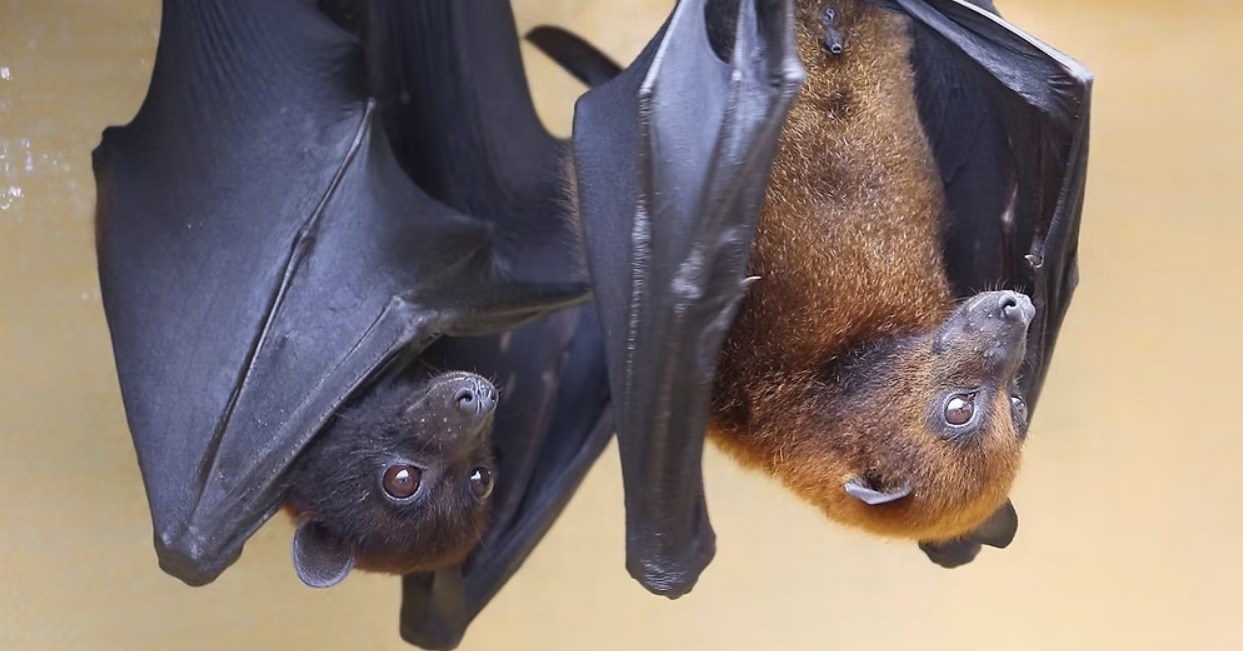
- Overview of the Variable Flying Fox and Its Habitat
- Parental Investment in Variable Flying Foxes
- The Significance of Frick and Frack: Case Study of Twin Pups
- Successes in Conservation Efforts
- How to Support the Conservation of Bats
The Variable Flying Fox, or Pteropus hypomelanus, stands out as a fascinating species of bat primarily found across various parts of the Southeast Asian islands. These bats inhabit lush forests and fruit orchards, where they play a pivotal role in seed dispersal, contributing to the health of their ecosystems. The Variable Flying Fox is particularly noted for its large wingspan, often reaching over a meter, and its distinctive face, which resembles that of a dog. Understanding their environment provides essential insight into the biodiversity of tropical ecosystems.
Parental investment in Variable Flying Foxes is profound in terms of time, effort, and energy. Female Variable Flying Foxes typically raise one pup at a time. This single-child approach is largely due to the nutritional demands of raising a bat pup, which requires constant care, warmth, and feeding. In circumstances where mothers have twins, they often face the harrowing decision of which pup to care for. Survival chances for the stronger pup are often prioritized. Conservation programs, like those at Lubee, provide essential support to mothers who face this dilemma. With careful management and assistance, these programs have improved outcomes for twin pups like Frick and Frack.
The significance of Frick and Frack extends beyond just being adorable twins. Their story embodies the challenges that come with rearing young in the wild. Having two pups places an incredible strain on the mother, who must ensure that both pups receive adequate nutrition. Environmental factors further complicate this process, as food availability can fluctuate due to seasonal changes. However, at facilities like Lubee, dedicated animal care teams can step in to provide supplemental feeding, fostering the survival of both pups. The story of Frick and Frack highlights the critical nature of facilities that offer care and support for wildlife.
Efforts to conserve species like the Variable Flying Fox are gaining traction globally. Habitat destruction poses a significant threat to bat populations, disrupting ecosystems and reducing food sources. Conservationists have mobilized to protect habitats through various initiatives, advocating for reforestation and responsible agricultural practices. Collaborative programs often engage local communities, fostering a sense of stewardship while addressing the challenges of species preservation. The plight of Frick and Frack serves as a reminder of the delicate balance in which wildlife exists and the impact that human activity can have on their survival.
To support the conservation of bats effectively, symbolic adoptions are an engaging way for individuals to contribute. Programs like those at Lubee offer an opportunity for supporters to symbolically adopt a bat, providing funding that directly enhances care, research, and habitat protection. This kind of involvement not only benefits bats like Frick and Frack but also raises awareness around the importance of conserving these often-overlooked creatures. Educational initiatives are critical to shifting perceptions about bats, dispelling myths, and celebrating their ecological roles.
One of the most pressing issues facing Variable Flying Foxes is deforestation. As urban areas expand and logging for timber increases, their natural habitat diminishes. Loss of trees means fewer resources for feeding and roosting. Efforts to combat deforestation are essential for the survival of the species. Reforestation projects aim to restore native vegetation, creating lush environments where bats can thrive. In addition, protected areas are being established to safeguard these vital habitats, offering a sanctuary for Variable Flying Foxes to flourish.
Climate change also presents a significant challenge for bat populations. Changes in temperature and rainfall patterns can impact fruit availability, a primary food source for flying foxes. The effects of climate change can ripple through the food chain, affecting not only bats but entire ecosystems. To combat these threats, adaptive wildlife management strategies are employed to understand the implications of climate change on bat behavior and habitat use.
Research and collaboration play a critical role in bat conservation. Scientists work together with local organizations to gather data on bat populations and monitor their health. This collaborative approach enables the sharing of resources, knowledge, and best practices, strengthening conservation efforts. Captive breeding programs allow endangered species to be bred in a controlled environment, further increasing their chances of survival upon release into the wild.
Education is another vital component of bat conservation. Public awareness campaigns highlight the crucial role bats play in pollination and seed dispersal. By fostering a sense of appreciation for bats, negative perceptions can shift, and communities become more inclined to protect their habitats. School programs, workshops, and community events serve as platforms for spreading knowledge about bats and their ecological importance, engaging young and old alike.
For those interested in supporting bat conservation efforts, symbolic bat adoptions present an excellent avenue for involvement. Donations made through these adoptions help ensure the continued care and support of bats like Frick and Frack. The funds support vital research endeavors, habitat protection initiatives, and educational outreach programs, contributing to a holistic approach to conservation.
Frick and Frack’s unique situation exemplifies the broader challenges that Variable Flying Foxes face in the wild. Their thriving symbolizes hope and resilience amidst conservation challenges. Each pup represents a critical opportunity to raise awareness about the species and inspire others to take action. Supporting bat conservation means engaging in smart practices that respect wildlife habitats and advocate for sustainable living.
The importance of bat populations, particularly the Variable Flying Fox, cannot be overstated. These creatures contribute to the health of forest ecosystems and agricultural landscapes. Through their role as pollinators and seed dispersers, they enhance biodiversity and sustainability. Recognizing their ecological value encourages informed choices that benefit both wildlife and humanity.
Bats are often misunderstood, seen as pests or associated with negative stereotypes. Educational initiatives challenge these misconceptions, emphasizing the benefits that bats bring to our environment. Engaging the public in discussions about wildlife can foster a compassionate connection, urging individuals to protect these critical species.
In conclusion, the story of the Variable Flying Fox twins, Frick and Frack, serves as a poignant reminder of the delicate balance in ecosystems and the interconnection between humans and wildlife. Understanding the complexities surrounding bat conservation enriches our knowledge of biodiversity and the importance of protecting vulnerable species. Each engagement in conservation efforts, no matter how small, can collectively create a substantial impact in safeguarding the future of wildlife and their natural habitats. Supporting programs that protect bats ensures that Frick and Frack, alongside countless other species, can thrive in a healthy, balanced environment.
*****
Source Description
Happy from Variable Flying Fox twins, Frick and Frack! 🦇🦇
Because of the significant amount of time, effort, and energy Variable Flying Fox moms provide to their pups, they will typically only have one pup at a time. If these bats have more than one pup at a time in the wild, it is not uncommon that they must select one to reject, as they know they can only successfully raise one pup at a time. At Lubee, our animal care team is able to help provide support to moms (thanks to support from you all). This support can assist moms who may have twins, like Frick and Frack! 🦇❤
If you want to support Frick and Frack, check out our symbolic bat adoptions! Find more info at:
https://www.lubee.org/giftshop
